

Online Language Teaching
Preply Teach Spanish Online: Complete Guide for Tutors
Requirements, pay structure, and practical tips for Spanish teachers on Preply
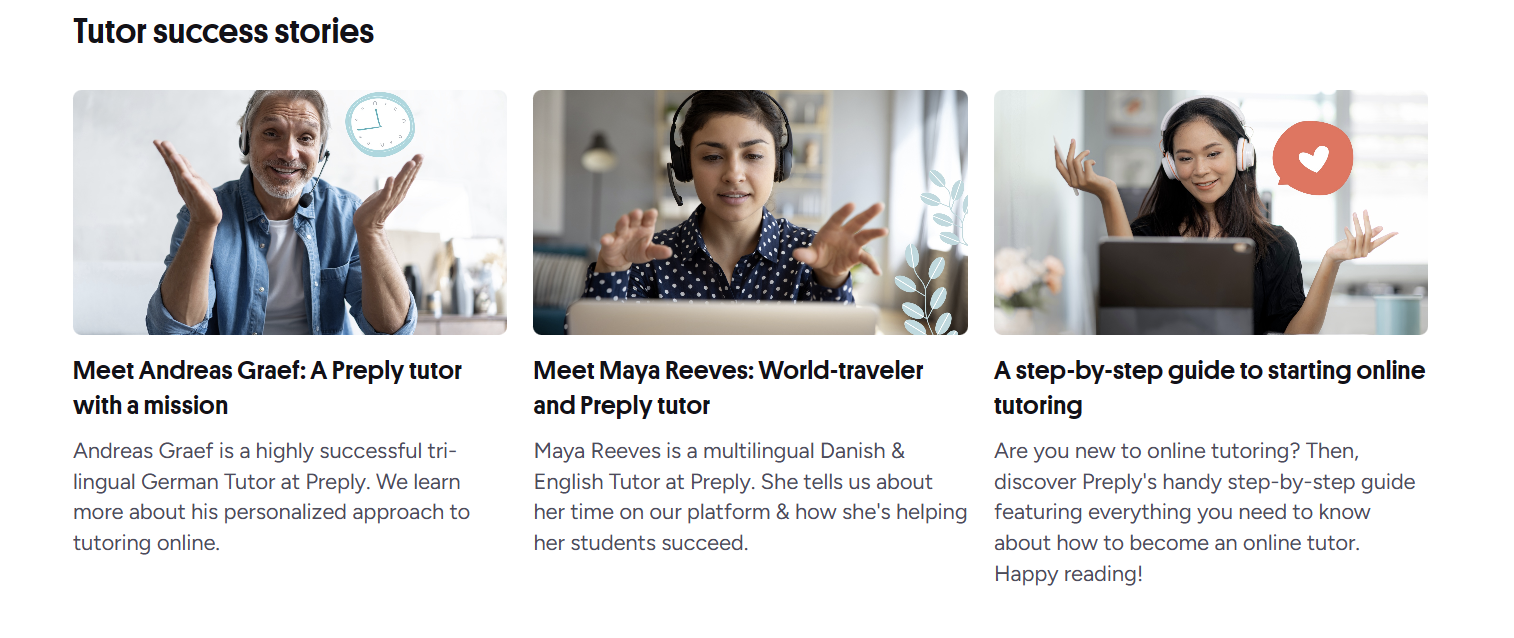
Teaching Spanish on Preply has become a realistic option for native speakers and certified instructors who want flexible income. The platform connects tutors with students worldwide, handling the marketing, scheduling, and payment infrastructure so you can focus on teaching. But the experience varies widely depending on your profile, pricing strategy, and how well you understand the platform's mechanics.
Contents
- 1. Application Requirements for Spanish Tutors
- 2. Setting Your Hourly Rate
- 3. The Trial Lesson Reality
- 4. Building a Sustainable Schedule
- 5. Teaching Materials and Lesson Structure
- 6. Specializations That Attract Students
- 7. Managing Your Tutor Profile
- 8. Preply's Commission Structure in Practice
- 9. Common Challenges and Workarounds
- 10. Growing Beyond the Platform
- 11. Tax and Legal Considerations
- 12. Comparison with Alternative Platforms
- 13. Preply for Business and Corporate Students
- 14. Long-Term Tutor Development
- 15. Final Assessment of Preply for Spanish Tutors
This guide walks through the actual process of becoming a Spanish tutor on Preply, what the platform expects, how the commission structure works, and what experienced tutors wish they had known before starting. The information comes from platform documentation, tutor discussions, and the practical realities of building a student base on a competitive marketplace.
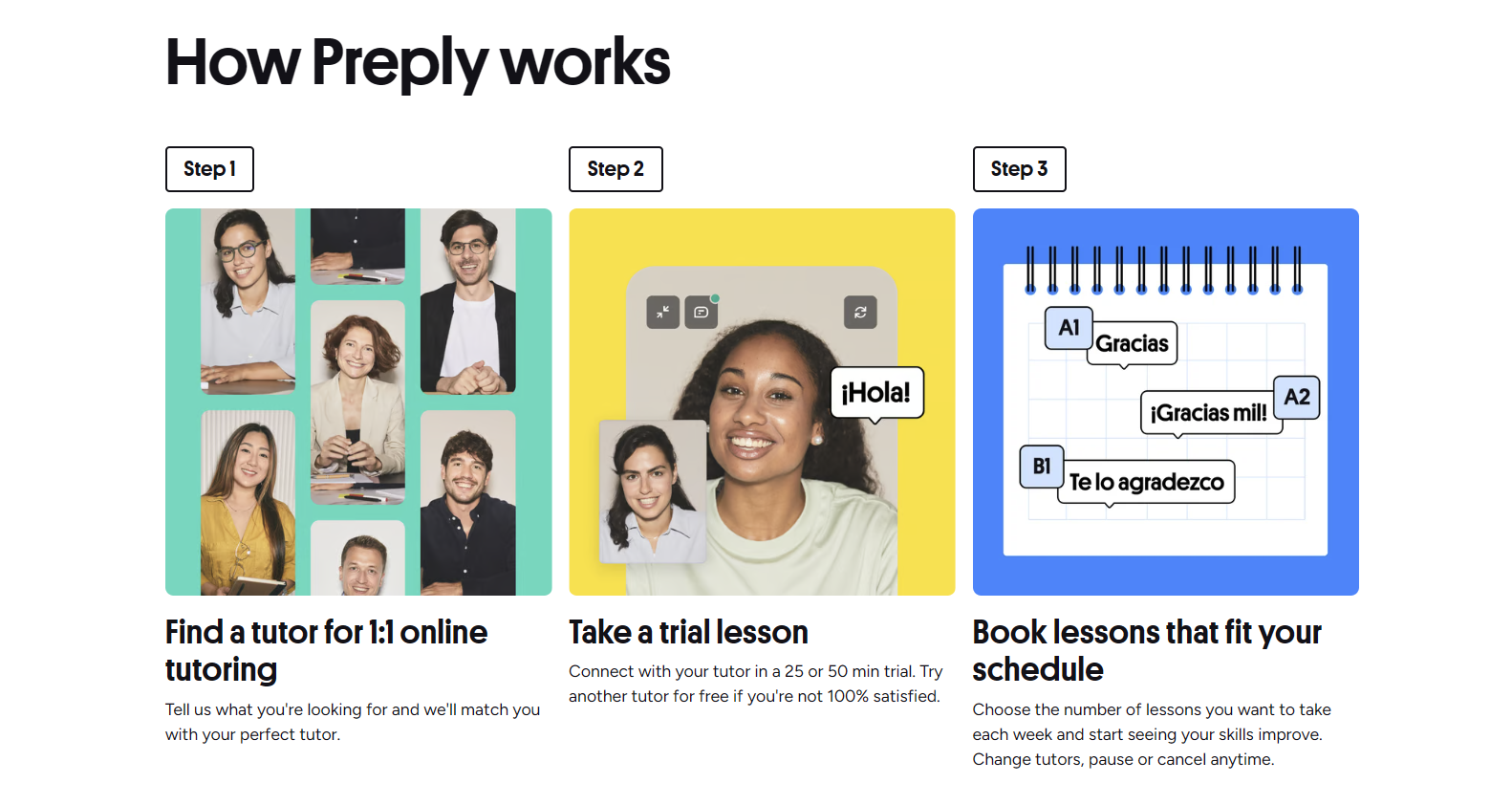
Preply operates as a two-sided marketplace. Students search for tutors, book trial lessons, and purchase lesson packages. Tutors set their hourly rates, manage availability, and conduct lessons through Preply's video classroom. The platform takes a commission on each lesson, which decreases as you teach more hours. Understanding this model is essential before you invest time in the application.
Application Requirements for Spanish Tutors
Preply does not require a teaching degree or formal certification to teach Spanish. The platform accepts native speakers, heritage speakers, and certified teachers alike. However, your profile must demonstrate Spanish proficiency and some teaching capability. The application asks for a video introduction, a written profile, and details about your experience. Preply's team reviews each application manually, and approval typically takes a few business days.
- Native or near-native Spanish proficiency (C1/C2 level)
- A short video introduction in Spanish and English
- Written profile describing your teaching approach
- Reliable internet connection and a quiet workspace
- Webcam and microphone suitable for video lessons
- Availability that overlaps with student time zones
The video introduction carries significant weight. It should be 1-2 minutes long, recorded in landscape orientation, with clear audio. Speak in both Spanish and English. Explain why you enjoy teaching, what students can expect from your lessons, and any specialization you offer — conversation practice, DELE preparation, business Spanish, or Spanish for children. Avoid reading from a script; natural delivery builds trust.
Setting Your Hourly Rate
You set your own hourly rate on Preply. Spanish tutors typically charge between $10 and $40 per hour, with most clustering around $15-$25. New tutors often start lower to attract initial students and reviews, then raise rates gradually. The platform shows your rate prominently in search results, so it directly affects how many trial lesson requests you receive.
Scroll horizontally to see all columns
| Experience Level | Common Rate Range | Notes |
|---|---|---|
| New tutor, no reviews | $10-$15 | Focus on building reviews quickly |
| 5-20 reviews, consistent bookings | $15-$22 | Can raise rates incrementally |
| 20+ reviews, specialization | $22-$35 | DELE prep, business Spanish command premium |
| Highly experienced, niche expertise | $35-$50+ | Limited competition, high demand |
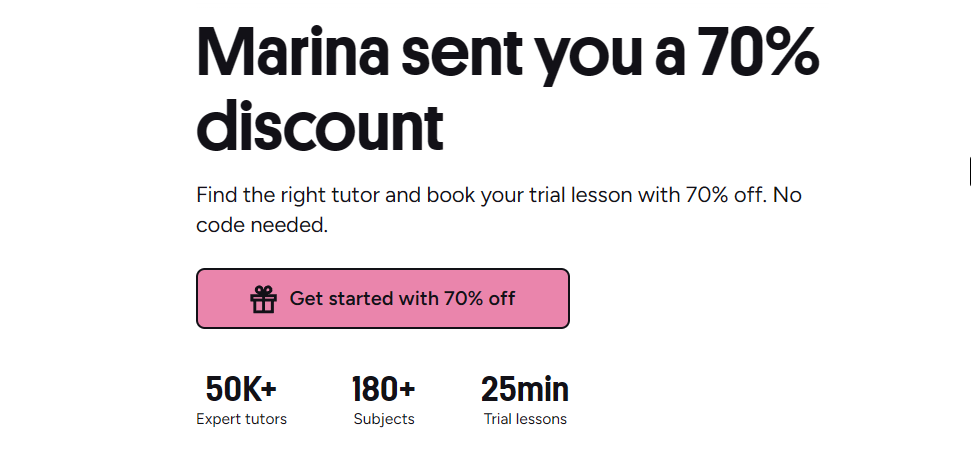
Preply takes a commission on each completed lesson. The commission starts at 33% for your first 20 hours taught, drops to 28% after 20 hours, 25% after 100 hours, 22% after 300 hours, and reaches 18% after 500 hours. This sliding scale rewards consistency. A tutor charging $20/hour initially keeps $13.40 per lesson; after 500 hours, they keep $16.40. The difference compounds significantly over time.
Students purchase lesson packages (5, 10, 15, or 20 hours) after a trial lesson. You receive payment for each lesson as it's completed, not upfront for the package. Preply processes tutor payouts weekly via PayPal, Payoneer, or bank transfer, with a minimum withdrawal threshold. There are no fees for receiving payments, though your payment provider may charge currency conversion fees.
The Trial Lesson Reality
Every new student books a 50-minute trial lesson at a discounted rate — typically 50% of your regular hourly price. Preply subsidizes this discount, so you receive your full commission-based share of the trial lesson fee. Trial lessons are your audition. Students evaluate your teaching style, English proficiency, technical setup, and whether they feel comfortable. Most tutors convert 30-50% of trial students into regular packages.
- Prepare a brief level assessment for the first 10 minutes
- Ask about the student's goals, timeline, and learning history
- Demonstrate your teaching style with a mini-lesson
- Explain how you structure regular lessons
- Address questions about scheduling and materials
- Follow up with a personalized message within 24 hours
Some tutors treat trial lessons as free consultations. That approach rarely works. Students expect a real lesson experience. Have a structured plan: quick placement activity, targeted practice on one weakness, and a clear roadmap for future lessons. If a student books Spanish for business, show them a relevant role-play. If they want conversation practice, guide a natural discussion and note corrections.
The trial lesson isn't an interview. It's a sample of what paying for your time feels like. Treat it that way.
Building a Sustainable Schedule
Preply students span every time zone. Tutors who offer availability during European evenings, North American mornings, and Asian afternoons tend to fill their calendars faster. The platform's scheduling tool lets you set recurring weekly availability and block off exceptions. Students book directly into open slots. You can also accept or decline individual booking requests, though declining too often hurts your visibility in search.
Cancellation policy matters. Preply allows students to cancel or reschedule up to 4 hours before a lesson without penalty. Within 4 hours, the lesson is considered completed and you're paid. Some tutors set stricter personal policies and communicate them upfront. The platform's policy is the baseline; you can't enforce looser terms, but you can be more generous if you choose.
Teaching Materials and Lesson Structure
Preply provides a basic whiteboard and screen-sharing in its video classroom, but no curriculum. You bring your own materials. Many Spanish tutors use a mix of published textbooks (Gente, Aula, Bitácora), authentic resources (news articles, videos, podcasts), and custom exercises. The platform's file-sharing feature lets you upload PDFs, images, and documents before or during lessons.
- Textbook-aligned lessons for structured learners
- Conversation guides with vocabulary and grammar focus
- DELE exam preparation materials by level
- Business Spanish scenarios and email templates
- Pronunciation drills with minimal pairs
- Cultural topics: holidays, regional variations, idioms
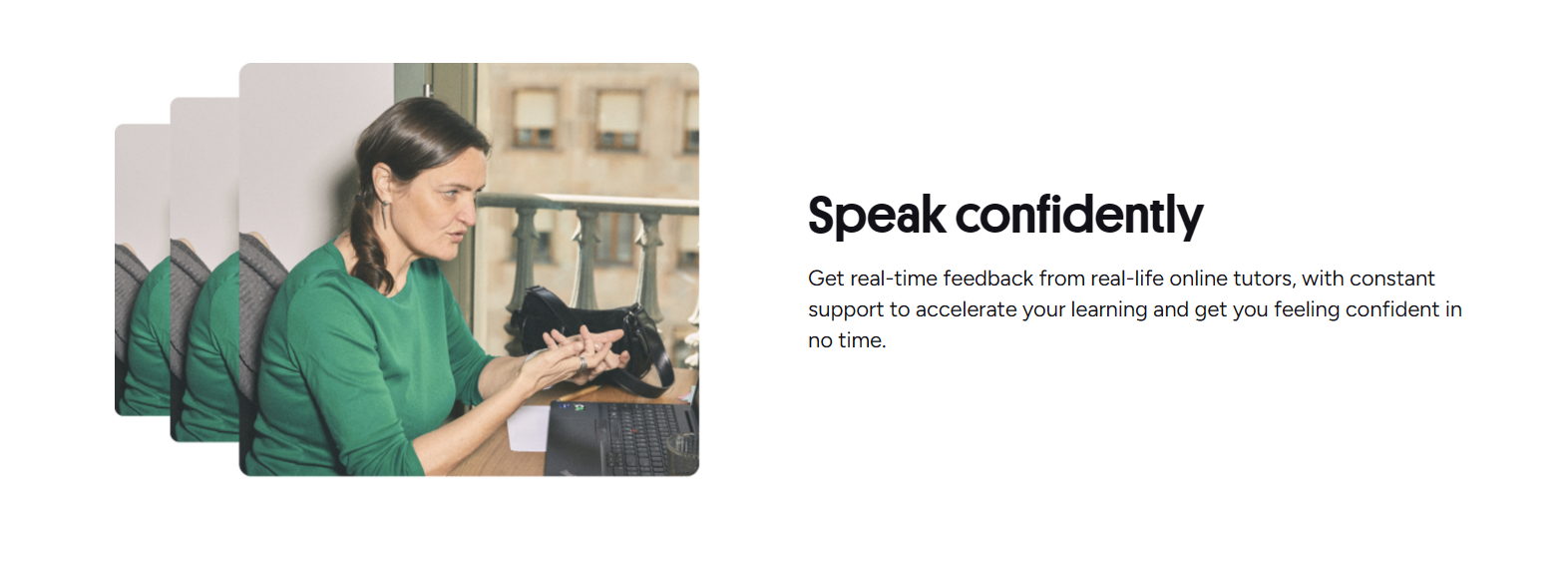
Organize materials in cloud folders by level and topic. During lessons, share your screen or use the whiteboard for explanations. After each lesson, send a summary with new vocabulary, corrections, and homework through Preply's messaging system. This creates a record students value and reinforces your professionalism.
Homework assignment is optional but recommended. Students who complete homework progress faster and stay longer. Use Preply's messaging to share exercises, voice notes for pronunciation practice, or links to practice resources. The platform doesn't have a built-in homework tracker, so a simple shared document works well.
Specializations That Attract Students
General conversation practice is the most crowded category. Tutors who specialize stand out in search and command higher rates. DELE exam preparation is consistently in demand — students need structured guidance for the official Spanish proficiency exams. Business Spanish attracts professionals willing to pay premium rates. Spanish for children requires different pacing and materials but faces less competition.
Scroll horizontally to see all columns
| Specialization | Student Demand | Rate Premium | Preparation Required |
|---|---|---|---|
| General conversation | High | Baseline | Low |
| DELE preparation | High | +$5-10/hr | High — need exam materials |
| Business Spanish | Medium-High | +$8-15/hr | Medium — industry knowledge helps |
| Spanish for children | Medium | +$3-8/hr | High — specialized materials |
| Medical/legal Spanish | Low-Medium | +$10-20/hr | Very high — domain expertise needed |
| Accent reduction | Medium | +$5-12/hr | Medium — phonetics knowledge |
You can list multiple specializations on your profile. The platform's search filters include them. But only claim specializations you can genuinely teach. A student preparing for DELE B2 will quickly recognize if you're unfamiliar with the exam format. Negative reviews from mismatched expectations damage your profile more than a narrower specialization would.
Managing Your Tutor Profile
Your profile is your storefront. The headline, description, video, photo, and reviews all factor into whether a student books a trial. Preply's algorithm favors profiles with complete information, recent activity, high response rates, and positive reviews. Update your availability weekly. Respond to messages within a few hours — response time is visible to students.
- Professional headshot with good lighting
- Headline that states your specialization
- Description written in first person, conversational tone
- Video introduction under 2 minutes
- Languages spoken with proficiency levels
- Education and certifications (if any)
- Teaching experience summary
- Availability calendar kept current
Reviews are the single strongest trust signal. After each lesson, students can leave a public rating and optional written review. You cannot remove negative reviews, but you can respond publicly. Respond professionally to any criticism. Future students read both the review and your response. A thoughtful reply to a negative review often builds more credibility than a string of perfect ratings.
One detailed negative review with a professional response tells me more about a tutor than twenty five-star ratings with no comments.
Preply's Commission Structure in Practice
The sliding commission scale is the most important financial detail to understand. Many new tutors calculate earnings at their starting rate without accounting for the high initial commission. At 33%, a $15/hour rate yields $10/hour net. After 20 hours, it's $10.80. After 100 hours, $11.25. The increases are modest but meaningful over hundreds of hours.
Scroll horizontally to see all columns
| Hours Taught | Commission | Rate $15/hr | Rate $20/hr | Rate $25/hr | Rate $30/hr |
|---|---|---|---|---|---|
| 0-20 | 33% | $10.05 | $13.40 | $16.75 | $20.10 |
| 20-100 | 28% | $10.80 | $14.40 | $18.00 | $21.60 |
| 100-300 | 25% | $11.25 | $15.00 | $18.75 | $22.50 |
| 300-500 | 22% | $11.70 | $15.60 | $19.50 | $23.40 |
| 500+ | 18% | $12.30 | $16.40 | $20.50 | $24.60 |
Reaching 500 hours takes most part-time tutors 1-2 years. Full-time tutors can hit it in 6-8 months. The commission reduction is automatic — you don't need to request it. Track your total hours in your tutor dashboard. Some tutors strategically raise their rates at each commission tier drop to maximize the benefit.
Common Challenges and Workarounds
No platform is perfect. Preply tutors consistently mention several friction points. The trial lesson discount means you earn less for your highest-effort lessons. Some students book trials with multiple tutors simultaneously to compare, then ghost the ones they don't choose. The 4-hour cancellation window can leave gaps in your schedule that are too short to fill.
- Trial lesson fatigue — prepare a reusable but adaptable structure
- No-shows — rare but frustrating; you're still paid if student doesn't appear
- Schedule gaps — keep a list of standby students for last-minute openings
- Platform bugs — video classroom occasionally has audio/video sync issues
- Support response time — can be 24-48 hours for non-urgent tickets
- Student expectations — some want instant fluency; manage expectations early
The video classroom works well most of the time but has occasional connectivity issues. Have a backup plan: Zoom or Google Meet links ready to share if Preply's classroom fails. Most students are understanding if you communicate quickly. Document technical issues with screenshots if you need support intervention for a disputed lesson.
Income variability is the biggest challenge for tutors relying on Preply as primary income. Student demand fluctuates seasonally — January and September are busy; December and August are slow. Diversify across platforms or supplement with private students if you need stable monthly earnings. Preply's terms allow teaching elsewhere simultaneously.
Growing Beyond the Platform
Experienced tutors often use Preply as a lead source, then move long-term students to direct arrangements. Preply's terms of service prohibit soliciting students off-platform during the first 180 days of their relationship. After that period, you can discuss direct payment arrangements. Many tutors maintain a mix: new students through Preply, established students directly.
Building a personal brand outside Preply — a simple website, social media presence, or email list — reduces platform dependency. Share teaching tips, Spanish learning resources, or cultural content. Students who find you organically often become your most loyal and highest-paying clients. Preply becomes one channel among several rather than your entire business.
Preply is a customer acquisition channel, not an employer. Treat it that way from day one.
Tax and Legal Considerations
Preply does not withhold taxes. You're an independent contractor responsible for your own tax obligations in your country of residence. The platform provides annual earnings statements. Keep records of all payouts, platform fees, and business expenses (internet, equipment, materials, professional development). Consult a tax professional familiar with cross-border digital income.
- Track gross earnings and net deposits separately
- Deduct platform commissions as business expenses
- Document home office costs if applicable
- Save receipts for teaching materials and subscriptions
- Consider quarterly estimated tax payments
- Understand tax treaty implications if teaching internationally
Preply's tutor agreement includes a non-compete clause for students you meet on the platform during the first 180 days. After that, you're free to work with them directly. The agreement also covers intellectual property — materials you create for lessons remain yours, but lesson recordings belong to Preply. Read the current agreement before signing; terms update periodically.
Comparison with Alternative Platforms
Preply isn't the only option for teaching Spanish online. italki, Verbling, and AmazingTalker operate similar marketplaces. Each has different commission structures, student demographics, and platform features. italki has a larger student base but higher competition. Verbling's classroom is more polished but takes a flat 15% commission from the start. AmazingTalker uses an AI matching system that some tutors find opaque.
Scroll horizontally to see all columns
| Platform | Starting Commission | Lowest Commission | Student Volume | Classroom Quality |
|---|---|---|---|---|
| Preply | 33% | 18% (500+ hrs) | High | Good |
| italki | 15% | 15% (flat) | Very High | Good |
| Verbling | 15% | 15% (flat) | Medium | Excellent |
| AmazingTalker | Variable | Variable | Medium | Good |
Many tutors maintain profiles on 2-3 platforms simultaneously. The effort to manage multiple calendars is real but provides income diversification. If one platform changes policies or your profile loses visibility, you have alternatives. Start with one, master it, then expand if needed.
Preply for Business and Corporate Students
Preply's B2B division connects tutors with corporate clients for employee language training. These students often have dedicated budgets, consistent schedules, and clear learning objectives. Corporate lessons typically pay better and last longer than individual students. However, Preply assigns corporate students based on tutor qualifications and availability — you can't directly market to them.
To be considered for corporate assignments, complete your profile thoroughly, add relevant certifications, and maintain high ratings. Business English tutors are in highest demand, but Spanish for business is growing. If you have corporate teaching experience, highlight it prominently. Corporate students expect professional materials, progress reporting, and reliability.
Long-Term Tutor Development
Teaching on Preply develops skills that transfer beyond the platform: curriculum design, student assessment, cross-cultural communication, and online pedagogy. Tutors who invest in their craft — taking courses on language teaching methodology, learning new tools, attending virtual conferences — tend to retain students longer and command higher rates.
- ELE certification (Enseñanza de Español como Lengua Extranjera)
- Online teaching methodology courses
- DELE examiner accreditation
- Specialized training: children, business, exam prep
- Educational technology tools mastery
- Second language acquisition research basics
Preply occasionally offers tutor webinars and resources. Participate when relevant. Join tutor communities on Reddit, Facebook, or Discord — experienced tutors share practical advice that isn't in official documentation. The collective knowledge about handling difficult students, optimizing profiles, and navigating platform changes is invaluable.
The tutors who last are the ones who keep learning how to teach better. The platform rewards competence, not just presence.
Frequently Asked Questions
Do I need a teaching certificate to teach Spanish on Preply?
No. Preply accepts native speakers and experienced tutors without formal certification. However, certificates like ELE or DELE examiner accreditation strengthen your profile and justify higher rates.
How long does the application review take?
Typically 3-5 business days. Ensure your video introduction is clear, your profile is complete, and you've selected Spanish as a teaching language.
Can I teach on Preply while working a full-time job?
Yes. Many tutors teach part-time. Set your availability for evenings and weekends. Consistency matters more than volume — a few regular slots beat sporadic availability.
What happens if a student doesn't show up for a lesson?
Wait 15 minutes in the classroom. If the student doesn't appear, you can end the lesson and you'll still be paid. Document the no-show in case of disputes.
How do I get more trial lesson requests?
Optimize your profile: professional photo, specific headline, detailed description, competitive initial rate, and broad availability. Respond to messages quickly. The algorithm favors active, responsive tutors.
Can I raise my rates after getting reviews?
Yes, anytime. Raise incrementally ($2-3) after every 10-15 positive reviews. Notify regular students before the change takes effect.
What equipment do I need?
A computer with webcam, headset with microphone, stable internet (10+ Mbps upload), and quiet space. A second monitor helps with screen-sharing materials.
Does Preply provide health insurance or benefits?
No. You're an independent contractor. No benefits, paid time off, or insurance. Factor this into your rate calculations.
Final Assessment of Preply for Spanish Tutors
Preply works well for Spanish tutors who want platform-handled marketing and payments, accept the commission structure, and treat tutoring as a business rather than a gig. The sliding commission rewards longevity. The trial lesson system brings students but requires conversion skill. Success depends on profile quality, specialization clarity, consistent availability, and professional lesson delivery. Tutors who approach it strategically — tracking metrics, refining their niche, building off-platform assets — tend to earn substantially more than those who simply list themselves and wait. The platform is a tool. Your teaching ability and business decisions determine the outcome.