
Language Learning
Preply Alternatives: Compare Top Language Learning Platforms
A detailed comparison of Preply competitors to help you choose the right language learning platform.
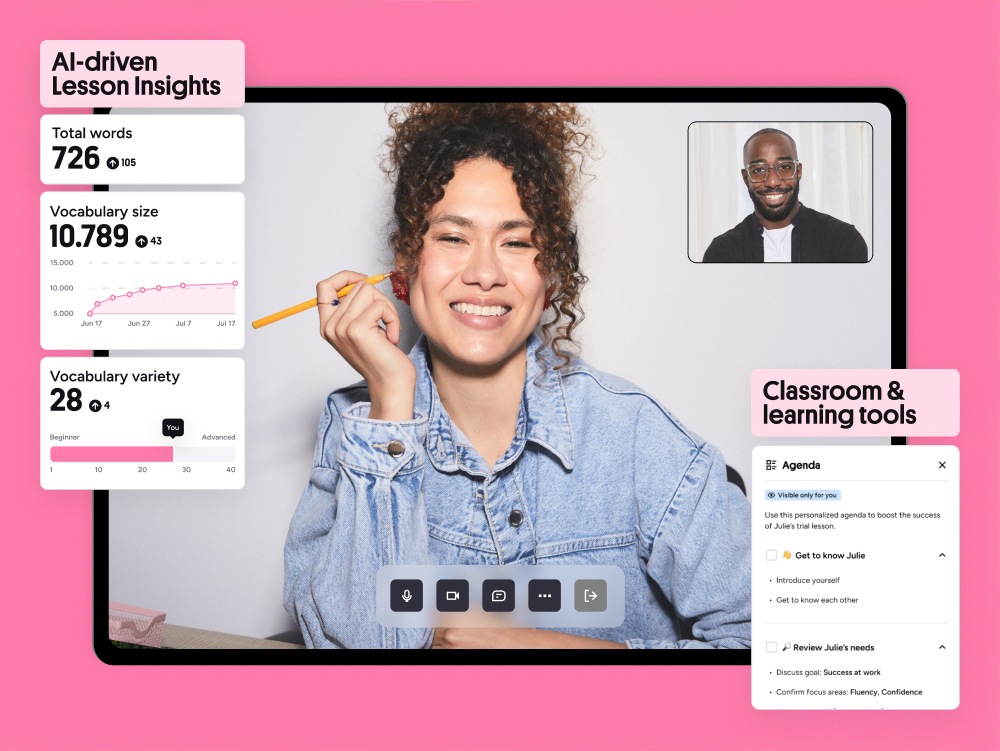
Preply has become one of the most recognizable names in online language tutoring. Its marketplace model connects students with thousands of tutors across dozens of languages, and the platform handles scheduling, payments, and video calls in one place. That convenience attracts a lot of learners, but it also creates friction for some. The subscription requirement, tutor commission structure, and occasional scheduling rigidity push people to look elsewhere. This article breaks down the most common alternatives, grouping them by how they differ from Preply rather than just listing names.
Contents
- 1. How Preply Works and Why People Look for Alternatives
- 2. Top Preply Alternatives at a Glance
- 3. italki: The Closest Direct Competitor
- 4. Duolingo and Babbel: Self-Paced App Alternatives
- 5. Cambly and Lingoda: Structured Speaking Practice
- 6. Superprof and Wyzant: Broader Subject Marketplaces
- 7. AmazingTalker and Other Niche Platforms
- 8. Pimsleur: Audio-Focused Alternative
- 9. Comparing Pricing Models Across Platforms
- 10. Choosing Based on Learning Goals
- 11. Teacher Perspective: Preply vs. italki for Tutors
- 12. User Reviews and Community Feedback
- 13. Technical Experience: Apps, Scheduling, and Video Quality
- 14. Business and Corporate Language Training Options
- 15. Final Assessment: Which Preply Alternative Fits Your Needs
The search for a Preply alternative usually starts with a specific frustration. Maybe the hourly rate feels high once the platform fee is added. Maybe you want a structured curriculum instead of open-ended conversation. Maybe you need group classes, or you prefer an app that works offline, or you're a tutor tired of the 18% commission. Whatever the reason, the market has evolved enough that there's likely a better fit — if you know where to look.
We'll compare the major players: italki, Duolingo, Babbel, Cambly, Lingoda, Superprof, Wyzant, AmazingTalker, and Pimsleur. Each serves a slightly different learner profile. Some are direct marketplace competitors. Others replace tutoring entirely with self-paced courses or AI-driven practice. A few cater to corporate training or niche languages. The goal isn't to crown a winner but to match your constraints — budget, schedule, learning style, language — to the platform that actually fits.
How Preply Works and Why People Look for Alternatives
Preply operates as a two-sided marketplace. Students browse tutor profiles, watch intro videos, read reviews, and book trial lessons. After the trial, lessons are purchased in packages of 5, 10, 15, or 20 hours. The platform takes a commission that starts at 18% for new tutors and drops to as low as 8% for high-volume tutors. Students pay the tutor's listed hourly rate plus any applicable taxes. Lessons happen in Preply's built-in video classroom, which includes a whiteboard, chat, and file sharing.
The subscription model is the most common complaint. You cannot pay per lesson after the trial; you must commit to a package. If you stop using lessons, they expire based on the package terms. Refunds are possible but require contacting support. Tutors often raise their rates to offset the commission, which pushes student costs higher. Scheduling is flexible but tied to tutor availability, and the platform's cancellation policy (4 hours notice) can feel strict compared to some competitors.
Top Preply Alternatives at a Glance
The table below summarizes the main alternatives by category, core format, and who they suit best. Use it as a starting point before diving into the detailed sections.
Scroll horizontally to see all columns
| Platform | Category | Lesson Format | Pricing Model | Best For |
|---|---|---|---|---|
| italki | Marketplace | 1-on-1 video | Pay per lesson | Learners wanting tutor choice without subscription |
| Duolingo | Self-paced app | Gamified exercises | Free / Super subscription | Casual daily practice, beginners |
| Babbel | Self-paced app | Structured courses | Subscription | Grammar-focused learners, European languages |
| Cambly | On-demand tutoring | 1-on-1 video, no booking | Subscription (minutes/month) | Spontaneous speaking practice, English focus |
| Lingoda | Online school | Small group & 1-on-1 | Subscription (classes/month) | Structured curriculum, CEFR alignment |
| Superprof | Marketplace (all subjects) | 1-on-1 video or in-person | Tutor sets price, platform fee | Academic subjects + languages, local tutors |
| Wyzant | Marketplace (US focus) | 1-on-1 video or in-person | Pay per lesson, platform fee | US-based tutors, test prep, academic help |
| AmazingTalker | Marketplace | 1-on-1 video | Pay per lesson, credits | Asian language focus, flexible packages |
| Pimsleur | Audio course | Audio lessons | Subscription or one-time purchase | Audio learners, commuters, pronunciation |
italki: The Closest Direct Competitor
italki is the most frequent answer when someone asks for a Preply alternative. The model is nearly identical: a global tutor marketplace, video lessons, reviews, and trial lessons. The key differences are structural. italki does not require a subscription. You buy credits, then spend them per lesson. Credits don't expire as aggressively. Tutors set their own prices, and italki takes a flat 15% commission (lower than Preply's starting rate). That often translates to slightly lower student prices for comparable tutors.
- No mandatory lesson packages — pay as you go with credits.
- Larger tutor pool for less common languages (e.g., Welsh, Basque, indigenous languages).
- Community features: language exchange partners, notebook corrections, podcasts.
- Teacher application process is stricter; many tutors hold certifications.
- Lesson packages exist but are optional discounts, not requirements.
The trade-off: italki's classroom is less polished. No built-in whiteboard, file sharing is basic, and the scheduling interface feels dated. Some tutors prefer Preply's tools. For students, the lack of a structured curriculum means you still need to direct your own learning. If you want a guided program, italki alone won't provide it.
Duolingo and Babbel: Self-Paced App Alternatives
Duolingo and Babbel represent a different category entirely. They replace the tutor with software. Duolingo is free, ad-supported, and gamified. It works for building vocabulary and basic grammar through repetition. The Super subscription removes ads and adds unlimited hearts. Babbel charges a subscription (roughly $6–$13/month depending on plan) for structured courses designed by linguists. Lessons are 10–15 minutes, focused on practical dialogues and grammar explanations.
Both apps cover major European languages well. Coverage drops sharply for Asian, African, or less-studied languages. Neither offers live feedback on pronunciation beyond speech recognition, which is unreliable for tones or subtle sounds. They also lack cultural context that a tutor provides naturally.
Cambly and Lingoda: Structured Speaking Practice
Cambly and Lingoda both target speaking confidence but from opposite angles. Cambly is on-demand: you log in, see who's online, and start a lesson instantly. No booking, no packages — you subscribe for a monthly minute allowance (e.g., 120 minutes for ~$50). Tutors are native speakers, mostly without formal teaching credentials. It's built for English learners who want immersion without scheduling friction.
Lingoda runs like an online language school. You book classes in a fixed curriculum aligned to CEFR levels (A1–C1). Classes are small groups (3–5 students) or private. Subscriptions are based on classes per month (e.g., 4, 12, 20). Teachers are certified, follow a syllabus, and provide homework. You get a certificate at each level. It's closer to a traditional class than a marketplace.
Cambly feels like dropping into a coffee shop abroad. Lingoda feels like enrolling in a semester course. Both solve the 'I need to speak more' problem, but the commitment level is totally different.
Superprof and Wyzant: Broader Subject Marketplaces
Superprof and Wyzant are not language-specific. Superprof started in France and now operates globally. Tutors list any subject — math, music, yoga, languages. The platform charges a monthly subscription to contact tutors (around $39/month in the US), then you negotiate rates directly. No commission on lessons. Wyzant is US-centric, focuses on academic subjects and test prep, and takes a platform fee per lesson (around 25% for the first 20 hours, then decreasing).
- Superprof: good if you want in-person options or multiple subjects from one tutor.
- Wyzant: strong for US curriculum alignment (AP, SAT, college courses).
- Both allow off-platform payment after initial contact, which reduces fees but removes protection.
- Language tutor quality varies wildly; no standardized vetting for teaching ability.
AmazingTalker and Other Niche Platforms
AmazingTalker positions itself as a Preply competitor with a stronger focus on Asian languages (Chinese, Japanese, Korean, Thai) and a credit-based system similar to italki. Tutors set prices, platform takes a commission. The interface is modern, and the matching algorithm suggests tutors based on a short questionnaire. It's less known in Western markets but has a growing tutor base.
Other niche platforms include Verbling (similar to italki, smaller pool), Tutor.com (academic focus, institutional partnerships), and HelloTalk/Tandem (language exchange apps, not tutoring). Each serves a slice: Verbling for certified teachers, Tutor.com for students with school access, HelloTalk for free peer practice.
Pimsleur: Audio-Focused Alternative
Pimsleur doesn't compete on features — it competes on method. The core product is 30-minute audio lessons based on spaced repetition and graduated interval recall. You listen, repeat, and anticipate. No video, no tutor, no writing. Subscriptions run $14.95–$20.95/month per language, or you can buy levels outright ($150–$550). It works for people who commute, walk, or prefer eyes-free learning. Pronunciation improves fast because you're mimicking native speakers constantly.
Comparing Pricing Models Across Platforms
Pricing transparency varies. Marketplaces (Preply, italki, AmazingTalker) show tutor rates upfront but add platform fees or commissions indirectly. Subscription platforms (Cambly, Lingoda, Babbel, Duolingo Super) charge a flat recurring fee. Superprof charges for access, not lessons. Wyzant takes a cut per lesson. The table below approximates typical monthly costs for a learner taking one 60-minute lesson per week, plus any platform fees.
Scroll horizontally to see all columns
| Platform | Tutor Rate Range | Platform Fee / Subscription | Total Monthly Estimate |
|---|---|---|---|
| Preply | $10–$40 | Included in rate (18–33% commission) | $40–$160 |
| italki | $8–$35 | 15% commission (included) | $36–$160 |
| Cambly | N/A (subscription) | $50–$100 (120–240 min plans) | $50–$100 |
| Lingoda | N/A (subscription) | $100–$300 (4–20 classes) | $100–$300 |
| Superprof | $15–$50 | $39/month access fee | $99–$239 |
| Wyzant | $30–$80 | ~25% fee first 20 hrs | $150–$400 |
| AmazingTalker | $10–$30 | Commission included | $40–$120 |
These are rough estimates. Tutor rates vary wildly by language, experience, and region. Cambly and Lingoda costs are fixed regardless of tutor. Superprof's access fee makes it expensive for low lesson counts but cheap if you take many lessons or multiple subjects. Always check current pricing before committing.
Choosing Based on Learning Goals
The right alternative depends on what you're trying to achieve. A tourist needing survival phrases has different needs than a professional preparing for a certification exam or a parent looking for kids' lessons.
- Conversation fluency: Cambly (on-demand), italki (scheduled), Preply (structured).
- Exam prep (IELTS, TOEFL, DELE): italki (specialized tutors), Lingoda (curriculum), Wyzant (test prep experts).
- Grammar foundation: Babbel, Lingoda, tutor-led on italki/Preply.
- Kids and teens: Preply (dedicated kids' tutors), Cambly Kids, Outschool (not listed but relevant).
- Business English: Preply Business, Lingoda Business, italki business tutors.
- Rare languages: italki, AmazingTalker, Superprof (local tutors).
- Budget under $20/month: Duolingo, Babbel, Pimsleur (audio only).
- No scheduling hassle: Cambly, Duolingo, Babbel, Pimsleur.
Teacher Perspective: Preply vs. italki for Tutors
Tutors often choose platforms based on commission, student flow, and tools. Preply's commission starts at 18% and drops to 8% after 400 hours. italki charges a flat 15%. Preply provides a whiteboard, lesson notes, and progress tracking. italki's classroom is bare-bones. Preply assigns students via algorithm; italki relies on profile visibility. Preply requires a TEFL or degree for most languages; italki accepts certified teachers and community tutors (lower barrier).
User Reviews and Community Feedback
Reddit threads (r/languagelearning, r/italki, r/Preply) reveal consistent patterns. Preply users complain about subscription lock-in, expired lessons, and support response times. italki users praise credit flexibility but criticize the outdated classroom and occasional tutor no-shows. Cambly users love the convenience but note tutor quality variance. Lingoda users value the structure and certificates but find group classes hit-or-miss depending on peer level. Duolingo and Babbel reviews split between 'great for habit' and 'not enough to speak.'
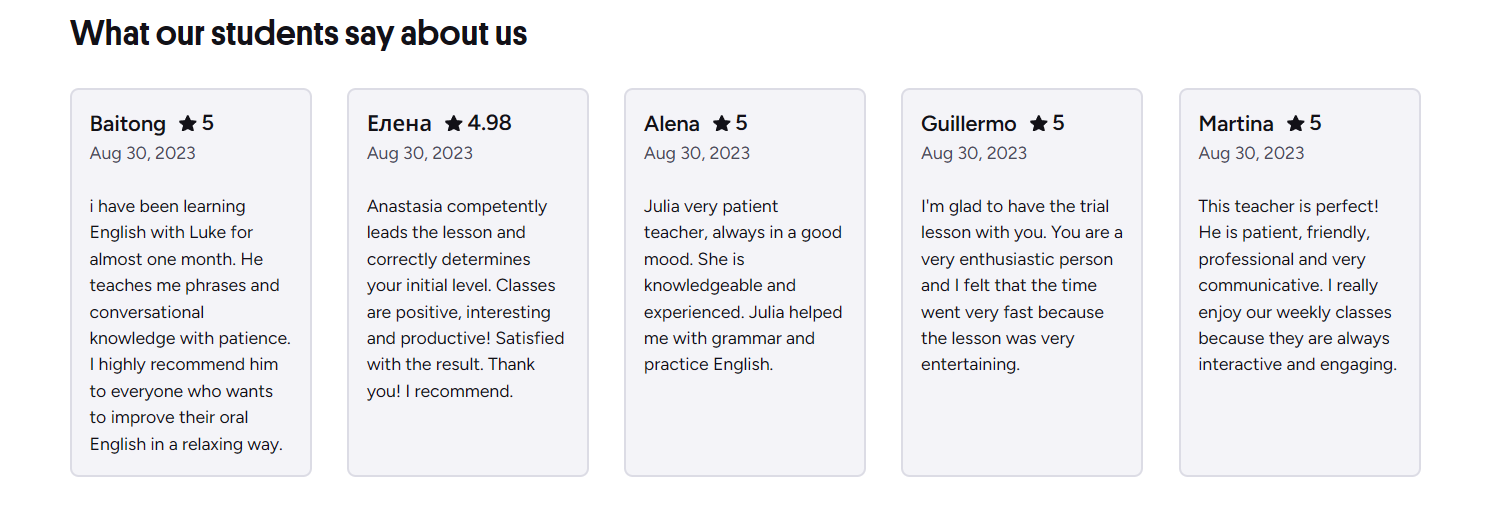
A practical tip: ignore platform-level ratings. Read the last 10–15 reviews for your specific tutor. Look for comments on reliability, preparation, and adaptability. Platform policies matter less than the person on the other side of the call.
Technical Experience: Apps, Scheduling, and Video Quality
Preply's mobile apps (iOS, Android) and desktop app are polished. The video classroom runs in-browser with WebRTC, supports screen sharing, and records lessons (with consent). Scheduling syncs with Google Calendar. italki's apps are functional but less refined; video runs through a third-party integration (often Zoom or italki Classroom). Cambly's app is built for instant connection — low latency, minimal UI. Lingoda uses Zoom for classes, which is reliable but adds a step. Duolingo and Babbel are native apps with offline modes.

If you switch devices often (phone to laptop), Preply and italki handle sync well. Cambly is mobile-first; desktop works but feels secondary. Lingoda's reliance on Zoom means you need the Zoom client. For low-bandwidth environments, audio-only options (Pimsleur, italki audio mode, Cambly audio) are more stable than video.
Business and Corporate Language Training Options
Preply Business, Lingoda Business, and italki Business all offer admin dashboards, centralized billing, progress reporting, and dedicated support. Preply Business emphasizes flexible 1-on-1 with a large tutor pool. Lingoda Business provides structured group cohorts with CEFR certification — better for compliance-driven training. italki Business is newer, focuses on volume discounts and custom tutor matching. Cambly for Organizations exists but targets English-only, on-demand speaking practice.
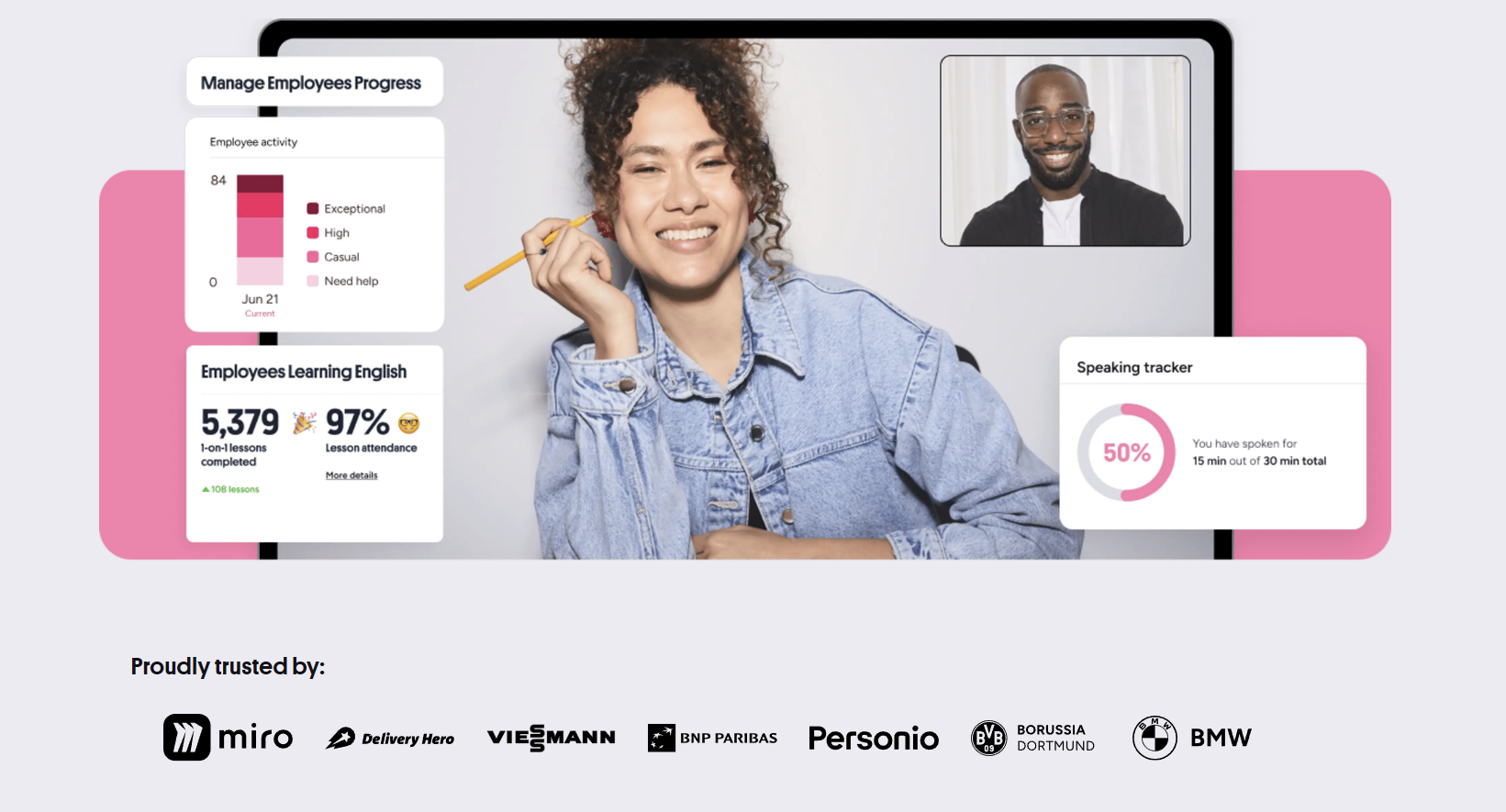
Pricing is quote-based for all three. Expect per-seat monthly fees in the $100–$300 range depending on volume and features. Small teams (under 10) often find individual subscriptions cheaper. Large enterprises should request pilots from at least two providers before committing.
Final Assessment: Which Preply Alternative Fits Your Needs
There is no universal best alternative. If you want the closest experience without the subscription, start with italki. If you need structured group classes and certificates, Lingoda is the strongest option. For pure speaking practice on your schedule, Cambly wins on convenience. If budget is tight and you can self-direct, Duolingo or Babbel cost a fraction. Superprof and Wyzant make sense only if you need in-person options or academic subjects beyond language. AmazingTalker is worth a look for Asian languages. Pimsleur fills a specific niche — audio-first learners — and pairs well with any tutor platform. Try a trial lesson on two platforms before deciding. The tutor relationship matters more than the platform brand.
Frequently Asked Questions
Is italki cheaper than Preply?
Often yes. italki's flat 15% commission and pay-per-lesson credits usually result in lower effective hourly rates than Preply's subscription packages, especially for long-term learners.
Can I use Duolingo instead of a tutor?
Duolingo builds vocabulary and basic grammar but cannot replace live conversation practice. It works best as a supplement to tutoring, not a substitute.
Which platform is best for learning Chinese or Japanese?
italki and AmazingTalker have the largest pools of qualified Chinese and Japanese tutors. Preply also has good coverage but requires a subscription.
Do any alternatives offer free trials without credit card?
italki offers a discounted trial lesson (often $1–$5) without a subscription. Cambly sometimes runs free minute promotions. Duolingo and Babbel have free tiers. Preply requires payment for the trial package.
What happens to unused Preply lessons if I switch platforms?
Preply lessons expire based on your package terms (usually 28 days for 5-hour packs, longer for larger packs). You can request a refund for unused lessons by contacting support, but it's not automatic.
Is Lingoda worth the higher price?
If you need a structured curriculum, CEFR-aligned levels, and a certificate for work or visa purposes, Lingoda's group classes provide good value. For casual conversation, it's overkill.
Can I take lessons on multiple platforms at once?
Yes. Many learners use an app (Duolingo/Babbel) for daily practice, a tutor platform (italki/Preply) for speaking, and Pimsleur for commute time. There's no exclusivity.