

Online Teaching
Preply Teach Languages Online: Complete Guide for Tutors
Everything you need to know about becoming a language tutor on Preply
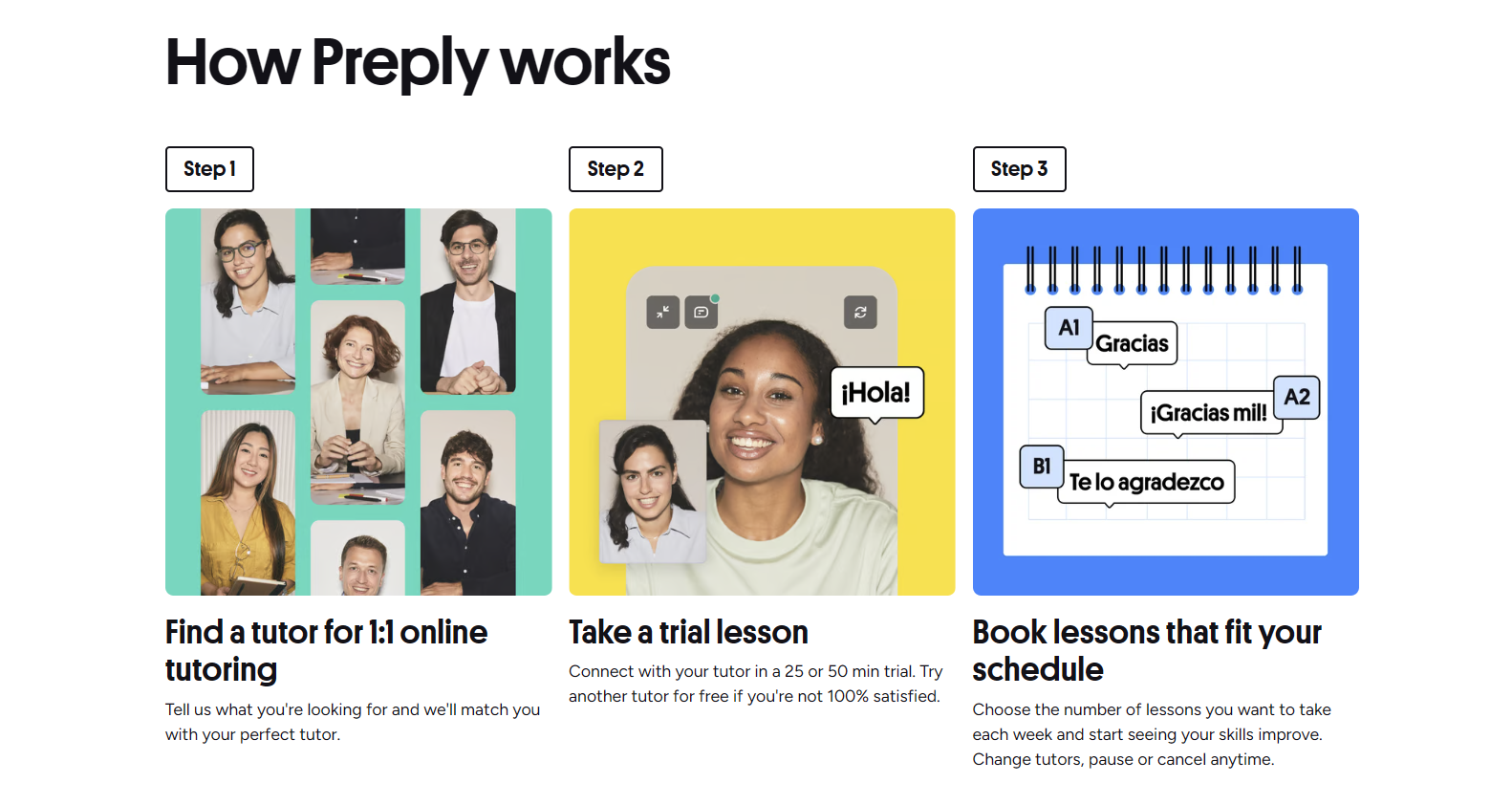
Preply has grown into one of the largest marketplaces for online language tutoring. The platform connects tutors with students across more than 50 languages, handling everything from scheduling to payments. For anyone considering teaching languages online, Preply offers a ready-made infrastructure that removes many of the headaches of running an independent tutoring business. But the platform also takes a significant cut of earnings and imposes its own rules. This guide walks through the complete picture — what it takes to get approved, how the commission structure works, what the teaching experience is actually like, and whether the trade-offs make sense for your situation.
Contents
- 1. How Preply Works for Language Tutors
- 2. Preply Tutor Requirements and Application Process
- 3. Setting Up a Competitive Tutor Profile
- 4. Preply Commission Structure and Real Earnings
- 5. Finding Students and Building a Schedule
- 6. Teaching Tools and Classroom Experience
- 7. Teaching Different Languages on Preply
- 8. Pros and Cons of Teaching on Preply
- 9. Practical Tips for Preply Tutor Success
- 10. Preply Compared to Other Teaching Platforms
- 11. Managing Your Preply Tutoring Business
- 12. Common Challenges and How to Handle Them
- 13. Preply for Corporate and Group Teaching
- 14. Final Assessment of Preply Teaching
The platform operates on a marketplace model. Students browse tutor profiles, read reviews, and book lessons. Preply provides the video classroom, scheduling system, payment processing, and dispute resolution. Tutors set their own hourly rates within platform minimums, choose their availability, and decide which students to accept. The company takes a commission on every lesson, which decreases as you teach more hours on the platform. This structure creates incentives to stay and build a student base, but it also means your effective hourly rate starts lower than what you charge students.
Unlike some competitors that require specific certifications or degrees, Preply's entry requirements are relatively accessible. The platform emphasizes teaching ability and language proficiency over formal credentials. This opens doors for native speakers, experienced teachers without traditional qualifications, and professionals transitioning into language education. However, the low barrier to entry also means high competition in popular languages like English and Spanish. Standing out requires a strong profile, good introductory video, and often a willingness to price competitively at first.
This article covers the full lifecycle of teaching on Preply — from the initial application through building a sustainable tutoring practice. We'll look at the numbers behind the commission tiers, the practical realities of the platform's tools, how tutors actually find and retain students, and where the platform falls short. Whether you're exploring online teaching as a side income or considering it as a full-time career, the goal is to give you the concrete information needed to decide if Preply fits your goals.
How Preply Works for Language Tutors
Preply functions as a two-sided marketplace. Students search for tutors by language, price range, availability, and specialty. Tutors create profiles showcasing their background, teaching approach, and rates. When a student books a lesson, Preply's integrated video classroom handles the session. The platform automatically charges the student, deducts its commission, and deposits the remainder to the tutor's account. Tutors can withdraw earnings through several payment methods including PayPal, Payoneer, and bank transfer.
The platform's classroom includes screen sharing, a collaborative whiteboard, file sharing, and chat. Lessons can be 30, 45, or 60 minutes. Tutors set their schedule in weekly blocks, and students book available slots. Preply sends automated reminders to both parties. If a student cancels less than four hours before a lesson, the tutor still receives 50% of the lesson price. No-shows by students result in full payment to the tutor. These policies provide some income protection that independent tutors often lack.
Preply also offers a mobile app for both tutors and students. The tutor app allows schedule management, messaging students, and joining lessons from a phone or tablet. This flexibility matters for tutors who travel or prefer not to be tied to a desktop. The app syncs with the web platform, so changes made on one reflect on the other immediately. Some tutors report occasional connectivity issues on mobile, but the core functionality works reliably for most day-to-day tasks.
Beyond individual lessons, Preply has expanded into group classes and corporate training. Tutors can apply to teach group sessions once they meet certain performance thresholds. The corporate side — Preply Business — operates separately with different pricing and requirements. Tutors selected for corporate contracts typically need more formal qualifications and business English expertise. These programs offer higher hourly rates but come with stricter scheduling and reporting requirements.
Preply Tutor Requirements and Application Process
Preply's application process is straightforward but not automatic. You create an account, fill out a profile with your languages, education, certifications, and teaching experience, then record a short introduction video. The video is mandatory — profiles without one are not approved. Preply's team reviews applications manually, typically within a few business days. They look for clear communication, professional presentation, and demonstrated language proficiency. Native speaker status helps but isn't required for all languages.
For English tutors, Preply expects at least a C1 level (advanced) on the CEFR scale. They don't require TEFL, TESOL, or CELTA certificates, though having them strengthens your application. For other languages, the standard is native or near-native fluency. The platform has added proficiency tests for some languages — English tutors may be asked to complete an automated speaking assessment. These tests evaluate pronunciation, fluency, and grammatical accuracy. Failing doesn't automatically reject you, but it flags your profile for closer review.
- Complete profile with photo, bio, education, and experience
- Introduction video (1-2 minutes, good lighting and audio)
- Language proficiency demonstration (native or C1+ for non-native)
- At least one hour of weekly availability to start
- Reliable internet connection and quiet teaching environment
- Webcam and microphone suitable for video lessons
- Government-issued ID for identity verification
The introduction video carries disproportionate weight. Students see this before booking, and Preply's review team uses it to assess communication skills. A strong video shows your personality, explains your teaching approach, and speaks clearly in your target language. Many rejected applicants fail here — they ramble, have poor audio, or don't actually demonstrate the language they want to treat. Invest time in a clean, concise video. Script it, record several takes, and choose the best.
Once approved, your profile goes live. But approval doesn't guarantee students. New tutors start with zero reviews and no visibility in search rankings. Preply's algorithm favors tutors with high ratings, many completed lessons, and quick response times. The first few weeks are often slow. Most tutors report booking their first student within 1-3 weeks, but building a full schedule can take months. Pricing competitively at first, responding to messages within minutes, and being available during peak hours (evenings in Europe, mornings in Asia) accelerates the process.
Setting Up a Competitive Tutor Profile
Your profile is your storefront. Students compare dozens of tutors in seconds. The profile photo, headline, bio, video, and reviews determine whether they click "Book trial lesson." Preply displays tutors in search results with photo, name, rating, number of reviews, hourly rate, and a one-line tagline. The tagline pulls from your headline field — make it specific. "Experienced English tutor" is forgettable. "IELTS prep specialist | 5+ years | 95% student pass rate" tells a student exactly what you offer.
The bio section allows up to 1,000 characters. Use it to address the student's needs, not your life story. Mention your teaching methodology, typical student outcomes, and any specializations — business English, exam prep, conversation practice, kids' lessons. Include concrete details: "I've helped 30+ students pass IELTS band 7+" beats "I help students improve their English." Write in the language you teach. If you teach multiple languages, write separate bios for each or clearly separate sections.
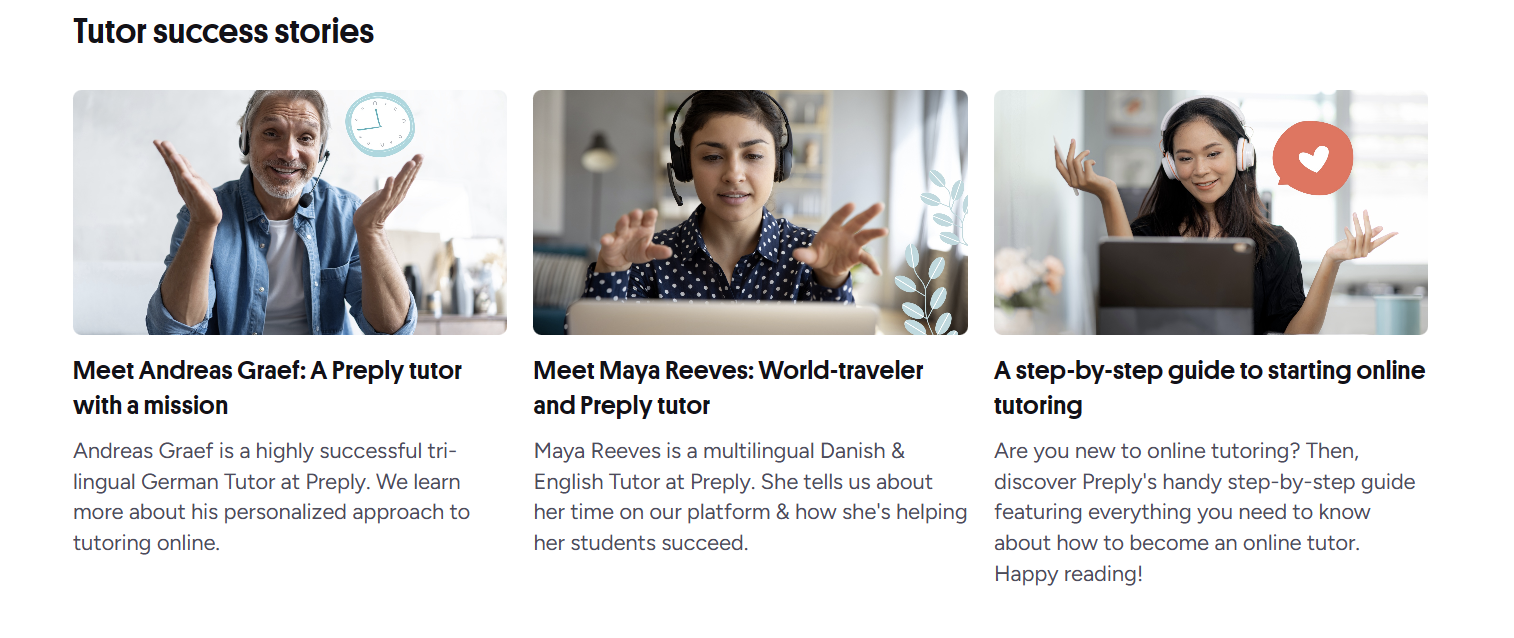
Specializations appear as tags on your profile. Preply offers predefined categories like "Business," "Exam Preparation," "Kids," "Beginners," and "Conversation." Select all that genuinely apply. Don't check "Kids" if you've never taught children — parents will book you, realize the mismatch, and leave negative reviews. Accuracy protects your rating. You can also add custom tags for niche areas like "Medical English" or "Spanish for Travel." These help you appear in filtered searches.
Pricing strategy deserves careful thought. Preply shows your hourly rate prominently. New tutors often underprice to attract first students. This works short-term but creates problems: low rates attract price-sensitive students who may not value your time, and raising prices later risks alienating existing students. A better approach: set a rate that reflects your experience but leaves room for a trial lesson discount. Preply allows you to offer a 50% off trial lesson — use this instead of permanently low rates. Your regular rate signals quality; the trial discount lowers the barrier to entry.
Scroll horizontally to see all columns
| Element | Impact | Best Practice |
|---|---|---|
| Profile photo | High - first visual impression | Professional headshot, good lighting, friendly expression |
| Headline/Tagline | High - appears in search results | Specific specialization + experience + result |
| Introduction video | Critical - primary conversion tool | 1-2 min, clear audio, demonstrates teaching style |
| Bio description | Medium - read by serious prospects | Student-focused, concrete outcomes, methodology |
| Reviews & rating | Highest - social proof | Deliver great lessons; ask satisfied students for reviews |
| Response time | Medium - affects algorithm ranking | Reply within 1 hour during waking hours |
Preply Commission Structure and Real Earnings
Preply's commission model is the single biggest factor in your actual earnings. The platform takes a percentage of every lesson fee, and that percentage drops as you accumulate teaching hours on the platform. Everyone starts at 33% commission. After 50 hours, it drops to 28%. After 200 hours, 25%. After 500 hours, 22%. After 1,000 hours, 18%. These tiers apply globally — the hours count across all languages you teach on Preply.
This means a tutor charging $20/hour earns $13.40/hour at the start ($20 minus 33%), $14.40 after 50 hours, $15 after 200 hours, $15.60 after 500 hours, and $16.40 after 1,000 hours. The commission only applies to the lesson price — Preply doesn't take a cut of tips, though tipping is rare on the platform. There are no monthly fees, no subscription costs, and no penalty for inactive periods. You only pay when you earn.
Scroll horizontally to see all columns
| Cumulative Hours | Commission Rate | Tutor Keeps | Example: $25/hr Rate |
|---|---|---|---|
| 0 - 50 hours | 33% | 67% | $16.75/hr |
| 50 - 200 hours | 28% | 72% | $18.00/hr |
| 200 - 500 hours | 25% | 75% | $18.75/hr |
| 500 - 1,000 hours | 22% | 78% | $19.50/hr |
| 1,000+ hours | 18% | 82% | $20.50/hr |
The tiered structure creates a clear incentive to stay on the platform. Leaving and returning resets your hours — Preply doesn't restore previous tier status. This locks in tutors who've invested time. It also means the first 50 hours are effectively an onboarding period where you earn significantly less. Many tutors treat these initial hours as a marketing cost: the lower earnings buy you reviews, platform visibility, and algorithm momentum.
Withdrawal minimums and fees vary by method. PayPal and Payoneer have a $30 minimum with a $2 fee per withdrawal. Bank transfers (via Wise) have a $50 minimum with a $5 fee. Preply processes withdrawals within 3-5 business days. There's no automatic payout — you must manually request each withdrawal. Some tutors batch withdrawals monthly to minimize fees. The platform shows pending earnings (lessons completed but within the 7-day dispute window) and available earnings separately.
Finding Students and Building a Schedule
Preply's search algorithm determines which tutors students see first. The exact formula isn't public, but tutors and Preply's own documentation confirm the main factors: rating (weighted heavily), number of completed lessons, response time, profile completeness, and recent activity. New tutors start invisible. The only way up is accumulating positive signals — completed lessons, 5-star reviews, fast replies. There's no paid promotion or featured placement for tutors. Everyone climbs the same ladder.
Trial lessons are the primary entry point. Students can book a 50% discounted 30-minute trial with any tutor. Preply promotes trials heavily to new students. For tutors, trials are auditions. You have 30 minutes to demonstrate value, assess the student's level, and convince them to book a package. Preply encourages students to buy lesson packages (5, 10, or 20 lessons) after the trial. Package students provide predictable income and schedule stability. Single-lesson bookings create gaps and uncertainty.
- Keep at least 10-15 hours of weekly availability during peak times
- Respond to new inquiries within 15 minutes when possible
- Send a personalized message after trial lessons summarizing next steps
- Offer package discounts (5-10% off) to convert trial students
- Use Preply's "Favorite Tutors" feature — students who favorite you get notified when you open slots
- Update your schedule weekly; the algorithm favors active tutors
- Consider early morning or late evening slots for different time zones
Peak demand hours cluster around European evenings (6-10 PM CET) and Asian mornings (7-10 AM China/Japan/Korea). North American tutors often find their sweet spot teaching Europeans in the morning and Asians in the evening. Weekends are consistently busy across all time zones. If your schedule only covers US business hours, you'll miss most international demand. Flexibility across time zones is one of the biggest advantages a tutor can have.
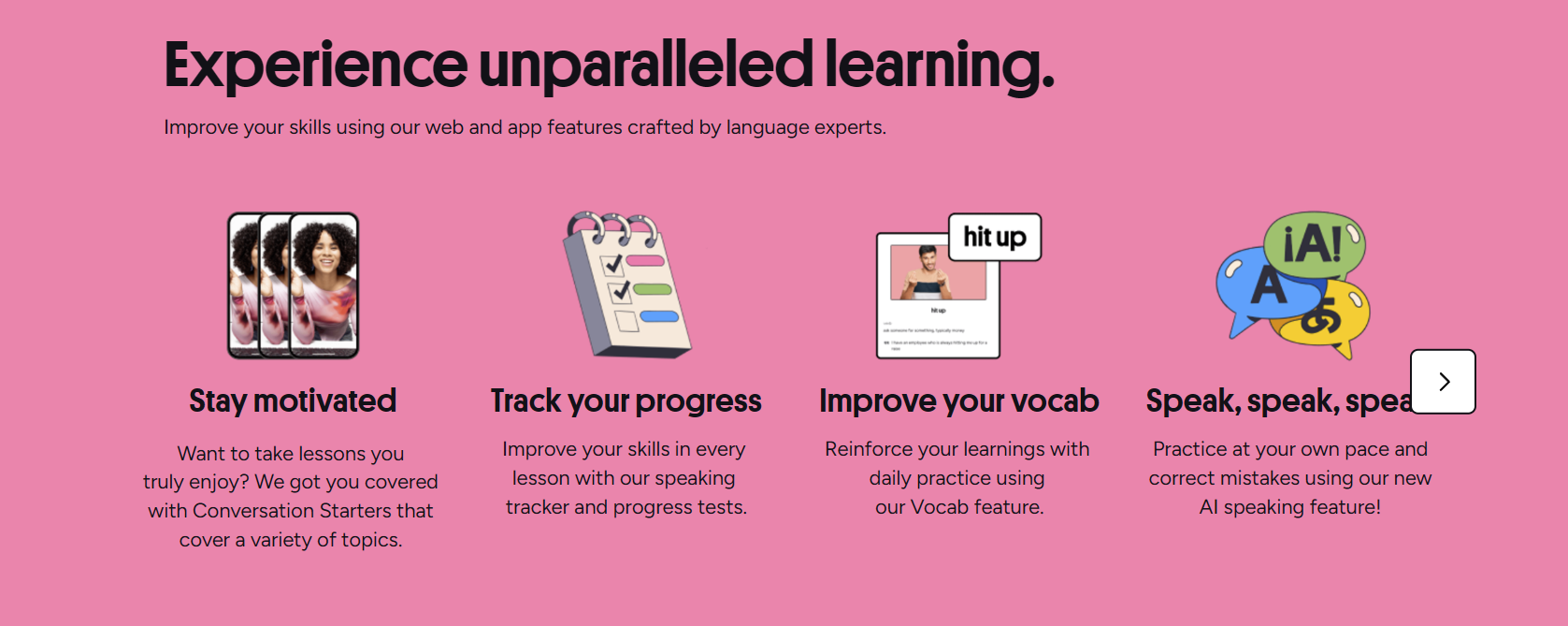
Student retention matters more than constant new bookings. A regular student taking two lessons weekly for six months is worth far more than ten trial students who never return. Retention comes from structured lesson plans, visible progress tracking, homework between sessions, and personal rapport. Preply's platform includes a shared notebook and file storage — use these to create continuity. Students who see organized notes and clear progression stay longer. Those who feel lessons are improvised leave.
Teaching Tools and Classroom Experience
Preply's built-in classroom runs in the browser — no downloads required for students, though tutors can use the desktop app for slightly better performance. The classroom includes video, audio, screen sharing, a multi-page whiteboard, chat, and file upload. You can upload PDFs, images, and documents before or during lessons. The whiteboard supports drawing, text, shapes, and image annotation. Both tutor and student can write on it simultaneously. Everything persists between lessons — the whiteboard, chat history, and uploaded files remain accessible.
The classroom works well for conversation practice and document-based lessons. It's less suited for complex interactive exercises, gamification, or specialized language learning tools. Many tutors supplement with external resources — Google Docs for collaborative writing, Quizlet for vocabulary, YouTube for listening, specialized grammar sites. You can screen-share these during lessons. The platform doesn't integrate with third-party tools directly, so switching between tabs is part of the workflow.
Connection quality depends heavily on both parties' internet. Preply uses WebRTC with adaptive bitrate. Most tutors report stable connections with wired ethernet. WiFi works but introduces occasional drops. The platform doesn't have a built-in connection test — you discover issues during actual lessons. Some tutors run a quick speed test with new students during the trial to set expectations. If a student's connection is consistently poor, you can suggest they switch to audio-only or reschedule.
The mobile app classroom has the same features but on a smaller screen. Whiteboard collaboration is cramped on phones; tablets work better. Tutors teaching from mobile should use a stand and external microphone. The app is useful for schedule changes and messaging on the go, but most full-time tutors prefer desktop for actual lessons. The desktop app (Windows/Mac) offers slightly lower latency and better multi-monitor support than the browser version.
Teaching Different Languages on Preply
English dominates Preply's demand. Roughly 60-70% of all lessons are English. Spanish, French, German, Chinese, Japanese, and Korean make up most of the remainder. Dozens of other languages are available but have far fewer students. This distribution shapes everything: competition, pricing power, and how quickly you fill your schedule. An English tutor faces hundreds of competitors but also a massive student pool. A Finnish tutor has almost no competition but maybe five active students platform-wide.
High-demand languages (English, Spanish, French, German) allow higher rates but require stronger differentiation. Students have endless options. Your profile must answer "Why you?" immediately. Specializations become critical — business English, IELTS/TOEFL prep, medical Spanish, German for engineers. General conversation tutors in saturated languages struggle unless they have exceptional reviews or very low prices.
Scroll horizontally to see all columns
| Language | Student Demand | Tutor Competition | Typical Rate Range |
|---|---|---|---|
| English | Very High | Very High | $10-40/hr |
| Spanish | High | High | $12-35/hr |
| French | High | High | $15-40/hr |
| German | Medium-High | Medium | $18-45/hr |
| Chinese (Mandarin) | Medium | Low-Medium | $15-35/hr |
| Japanese | Medium | Low | $20-50/hr |
| Korean | Medium | Low | $18-40/hr |
| Italian/Portuguese/Russian/Arabic | Medium-Low | Low-Medium | $15-35/hr |
| Less common languages | Low | Very Low | $15-30/hr |
Niche languages can work well if you have another income source and treat Preply as supplemental. The few students who seek rare languages are often highly motivated — heritage learners, professionals relocating, academics. They tend to stay longer and pay well. But you cannot build a full-time income teaching only Welsh or Swahili on Preply. The student volume doesn't exist. Multilingual tutors often teach their strongest language as primary and offer others as secondary options.
Preply has added language-specific features over time. English tutors get access to the English Level Test (a placement test students take), structured courses, and specialized materials. Other languages have fewer built-in resources. The platform's course library — pre-made lesson plans and materials — covers English extensively, Spanish and French moderately, and other languages minimally. Tutors of less-supported languages spend more time creating their own materials.
Pros and Cons of Teaching on Preply
Every platform involves trade-offs. Preply's strengths center on access and infrastructure. Its weaknesses center on cost and control. Understanding both helps you decide if the platform serves your current stage or if you'd be better off building independently.
- Large, global student pool actively seeking tutors
- No marketing required — students come to the platform
- Integrated scheduling, payments, video classroom, and dispute resolution
- Flexible schedule — you control availability completely
- No degree or certification required for most languages
- Tiered commission rewards long-term commitment
- Mobile and desktop apps for teaching anywhere
- Some income protection for late cancellations and no-shows
- Ability to teach multiple languages from one profile
- Corporate and group class opportunities for top tutors
The downsides are significant. The 33% starting commission is steep — higher than most competitors. It takes 1,000 hours to reach 18%, which at 15 hours/week takes over a year. You don't own the student relationship — Preply controls contact information and can ban either party. Students who want to continue off-platform violate terms of service. The algorithm can bury your profile for reasons that aren't transparent. Support response times vary; some tutors wait days for resolution on payment or technical issues.
- 33% starting commission (highest in the industry)
- Slow tier progression — 1,000 hours for best rate
- No student ownership — cannot take students off-platform
- Algorithm dependency — visibility can drop without clear cause
- High competition in popular languages
- Limited teaching tools compared to dedicated LMS platforms
- No lesson recording built in
- Support can be slow for non-urgent issues
- Students expect low prices; raising rates risks losing them
- Platform changes (fees, policies) apply unilaterally
The commission is the most common complaint. But it buys you a functioning marketplace. Building your own student base from zero takes months of unpaid marketing, website costs, payment processing fees, and administrative overhead. Preply front-loads that work. For tutors who want to teach, not run a business, the commission can be worth it. For entrepreneurial tutors building a brand, the platform eventually becomes a constraint. Many successful tutors use Preply as a launchpad — build reviews and confidence, then transition some students to direct arrangements (within policy gray areas) or move entirely to their own site.
Practical Tips for Preply Tutor Success
Success on Preply follows patterns. Tutors who treat it professionally from day one — structured lessons, reliable schedule, prompt communication — outperform those who wing it. The platform rewards consistency. Here are the practices that separate tutors who earn $200/month from those earning $3,000+/month.
- Design a 30-minute trial lesson structure: 5 min rapport/needs analysis, 15 min sample teaching, 5 min feedback/plan, 5 min package pitch
- Create a simple placement assessment for each level you teach — students appreciate knowing where they stand
- Prepare 3-5 core lesson templates per level/specialization; customize per student rather than improvising
- Use the shared notebook for lesson summaries, vocabulary lists, and homework — students see progress
- Send a brief follow-up message after each lesson with key takeaways and homework
- Block 10 minutes between lessons for notes, prep, and buffer — back-to-back lessons burn you out
- Set a minimum weekly hour target and treat it like a job, not a hobby
- Track your effective hourly rate (after commission, fees, prep time) monthly
- Ask for reviews explicitly after milestone lessons (5th, 10th, 20th)
- Learn the platform's keyboard shortcuts and hotkeys for smoother lessons
Pricing evolution matters. Start at a rate you're comfortable with for 6-12 months. Then raise it incrementally — $2-3/hour every 6 months for existing students, higher for new ones. Communicate increases 30 days ahead. Most regular students accept modest increases if they see value. Grandfathering loyal students at old rates while charging new students more is common and accepted. Just don't create a two-tier system so wide that it feels unfair.
Specialize visibly. "English tutor" is a commodity. "English for software engineers preparing for FAANG interviews" is a niche with pricing power. Preply's search and student behavior both reward specificity. If you have professional experience outside teaching — finance, tech, healthcare, law — build your profile around teaching that language for that industry. Students pay premium rates for tutors who understand their professional context.
Preply Compared to Other Teaching Platforms
Preply isn't the only option. italki, Verbling, Cambly, and newer platforms like LanguaTalk each have different models. italki is the closest competitor — similar marketplace, similar commission (15% flat), but italki lets tutors set their own trial lesson policy (many offer free trials). Verbling takes 15% but has stricter entry requirements (degree or certification often needed). Cambly pays a fixed low rate ($0.17/min = $10.20/hr) but guarantees students — no profile building needed. LanguaTalk takes 15-20% with a curated tutor pool and higher student prices.
Scroll horizontally to see all columns
| Platform | Commission | Entry Requirements | Student Source | Rate Control |
|---|---|---|---|---|
| Preply | 18-33% (tiered) | Low (video + proficiency) | Marketplace search | Full (above minimum) |
| italki | 15% flat | Low-Medium | Marketplace search | Full |
| Verbling | 15% flat | Medium-High (degree/cert) | Marketplace search | Full |
| Cambly | Fixed pay ~$10/hr | Low (native fluency) | Assigned by platform | None (fixed rate) |
| LanguaTalk | 15-20% | High (curated selection) | Marketplace + matching | Full (above minimum) |
The choice depends on your priorities. If you want maximum rate control and don't mind marketing yourself, italki's flat 15% beats Preply's tiered structure long-term. If you have strong credentials and want a more professional client base, Verbling's barrier to entry filters out low-ball competition. If you just want to teach conversation without profile building, Cambly's guaranteed students work — but the pay ceiling is low. Preply sits in the middle: easier entry than Verbling, better tools than Cambly, but higher cost than italki. Many tutors maintain profiles on 2-3 platforms simultaneously to diversify.
Managing Your Preply Tutoring Business
Teaching on Preply is self-employment. You're responsible for taxes, retirement, health insurance, and professional development. Preply provides a 1099-K (US) or equivalent tax documents for other jurisdictions only if you cross reporting thresholds ($20,000 and 200 transactions in the US; lower in some countries). Track everything yourself. Use a spreadsheet or accounting software. Record: lesson date, student, duration, gross rate, commission, net deposit, prep time, materials cost. This data lets you calculate true hourly earnings and make informed decisions.
Professional development on Preply is self-directed. The platform offers occasional webinars and a tutor community forum, but no structured training. Successful tutors invest in their own growth — TEFL courses, specialized certifications, language proficiency exams, pedagogy books. This improves teaching quality and gives you credible credentials for your profile. Some tutors join external communities (Reddit's r/Preply, Facebook groups, Discord servers) for peer support, strategy sharing, and venting. These communities often have more practical advice than official channels.
Schedule management becomes a skill at scale. As regular students accumulate, your calendar fills with recurring slots. Preply allows students to book recurring weekly lessons — use this. It guarantees income and reduces scheduling admin. But leave 20-30% of your capacity open for trials and new students. A fully booked calendar looks successful but prevents growth. When a regular student pauses (vacation, exams, budget), you need pipeline to fill the gap.
Communication boundaries protect your time. Preply's messaging system is the only allowed contact method. Some students try to move to WhatsApp, Telegram, or email — this violates terms and risks your account. Politely redirect: "Preply requires all communication here for safety and records." Set expectations early: response time ("I reply within a few hours during weekdays"), homework policy, cancellation policy. Consistency prevents misunderstandings that lead to bad reviews.
Common Challenges and How to Handle Them
Every Preply tutor encounters certain problems. Knowing the patterns helps you respond calmly rather than reactively.
- Trial no-shows: Student books trial, doesn't appear. You wait 15 minutes, get paid 50% of trial price. Frustrating but normal. Send a polite follow-up; some reschedule.
- Price hagglers: Students ask for discounts outside trial. Decline firmly but kindly: "My rate reflects my experience and preparation. The trial discount is the only offer I have."
- Scope creep: Student wants homework help, essay editing, translation during lesson time. Define what's included. Offer separate paid services if appropriate.
- Technical issues: Student's mic/camera fails repeatedly. Have a backup plan (audio-only, reschedule). Don't troubleshoot for 20 minutes — it's unpaid time.
- Inappropriate requests: Rare but happens. Report immediately via Preply's safety tools. Block the student. Don't engage.
- Algorithm drops: Your profile visibility suddenly decreases. Check response time, recent activity, any policy warnings. Often resolves in days. Contact support if persistent.
- Payment delays: Withdrawal takes longer than 5 business days. Check payment method details. Contact support with transaction IDs.
The most insidious challenge is income volatility. Some months you're fully booked; others, three regulars pause simultaneously. This is the nature of marketplace work. The only buffer is savings and a pipeline of trial students. Tutors who treat Preply as their sole income without 3-6 months of expenses saved often panic during dry spells and make poor decisions — dropping prices, accepting bad-fit students, overworking. Build the financial cushion before going full-time.
The tutors who last on Preply aren't necessarily the best teachers — they're the ones who treat it like a business from day one. They track numbers, set boundaries, and plan for the slow months.
Preply for Corporate and Group Teaching
Preply Business is a separate product line. Companies purchase seats for employees, and Preply matches them with tutors. Tutors don't apply directly to Preply Business — the platform invites tutors based on ratings, specialization, and availability. Corporate students differ from individual learners: they often have specific goals (presentations, negotiations, email writing), less flexibility (fixed schedules), and higher expectations for professionalism and reporting.
Corporate lessons pay better — typically $25-50/hour to the tutor after commission — but require more preparation. You may need to submit lesson plans, progress reports, and attendance records. The students are motivated by career advancement, not personal interest, which can mean better attendance but also more pressure. Group classes (2-6 students) pay per student, so a 4-student group at $15/student/hour yields $60/hour gross. But group teaching demands different skills: managing participation, balancing levels, handling tech issues for multiple people.
Group classes on the main marketplace (not corporate) are newer and less established. Tutors create group course listings with fixed schedules and curricula. Students enroll for a series. This provides predictable income but requires marketing the course — Preply doesn't promote groups as heavily as 1-on-1. Tutors with established followings do better here. It's not a reliable starting strategy for new tutors.
Final Assessment of Preply Teaching
Preply is a legitimate, functional platform for teaching languages online. It solves the hardest part of independent tutoring — finding students — and provides adequate tools for delivery. The commission is high, especially early on, but it buys access to a global student pool without marketing effort. For tutors starting from zero, the trade-off often makes sense. For experienced tutors with existing networks, the math favors lower-commission platforms or independence.
The platform rewards specialization, consistency, and professionalism. Tutors who approach it as a business — tracking metrics, investing in their profile, managing their schedule strategically — build sustainable incomes. Those who treat it casually earn casual money. There's no magic algorithm hack. The fundamentals are boring: show up prepared, communicate clearly, deliver results, ask for reviews, raise rates gradually.
Preply's trajectory suggests continued growth in corporate and group offerings, which may create new earning tiers for top tutors. The core 1-on-1 marketplace will remain competitive. The tutors who thrive long-term are those who use Preply as one channel in a diversified teaching business — not their only channel. Build your brand, collect testimonials you can use elsewhere, develop materials you own, and maintain direct relationships where policy allows. That way, if Preply changes its terms, raises commissions, or your profile gets algorithmically suppressed, your income doesn't vanish overnight.
Frequently Asked Questions
How long does it take to get approved as a Preply tutor?
Most applications are reviewed within 3-5 business days. Complete profiles with good videos get faster decisions. Incomplete profiles or poor videos may be rejected or delayed.
Can I teach on Preply without a degree or teaching certificate?
Yes. Preply does not require degrees or certifications for most languages. They assess language proficiency and teaching ability through your video and profile. Certificates help but aren't mandatory.
What is the minimum hourly rate I can set on Preply?
Preply sets minimum rates by language and region. For English, the minimum is typically around $10/hour. You can set higher rates freely. Check current minimums during profile setup as they adjust periodically.
How does Preply handle student cancellations?
Students cancelling more than 4 hours before the lesson: no charge. Cancelling within 4 hours: tutor receives 50% of lesson price. No-shows: tutor receives 100%. These policies are automatic.
Can I take Preply students off the platform to teach directly?
Preply's terms prohibit moving students off-platform. Doing so risks account termination. Some tutors do it discreetly after building trust, but it violates the agreement you accepted.
How often can I withdraw earnings from Preply?
You can request withdrawals anytime your available balance meets the minimum ($30 for PayPal/Payoneer, $50 for bank transfer). Processing takes 3-5 business days. No automatic payouts.
Does Preply provide teaching materials or curriculum?
Preply offers a course library mainly for English, with some content for Spanish and French. Other languages have minimal built-in materials. Most tutors create or curate their own resources.
What happens if a student disputes a lesson charge?
Preply's support team reviews disputes case by case. They consider chat logs, classroom records, and both parties' statements. Tutors with clear policies and documentation fare better. Decisions typically take a few days.