
Language Learning
Preply German Tutors: Finding the Right Match for Your Goals
A practical guide to selecting German tutors on Preply based on price, teaching style, and student outcomes.
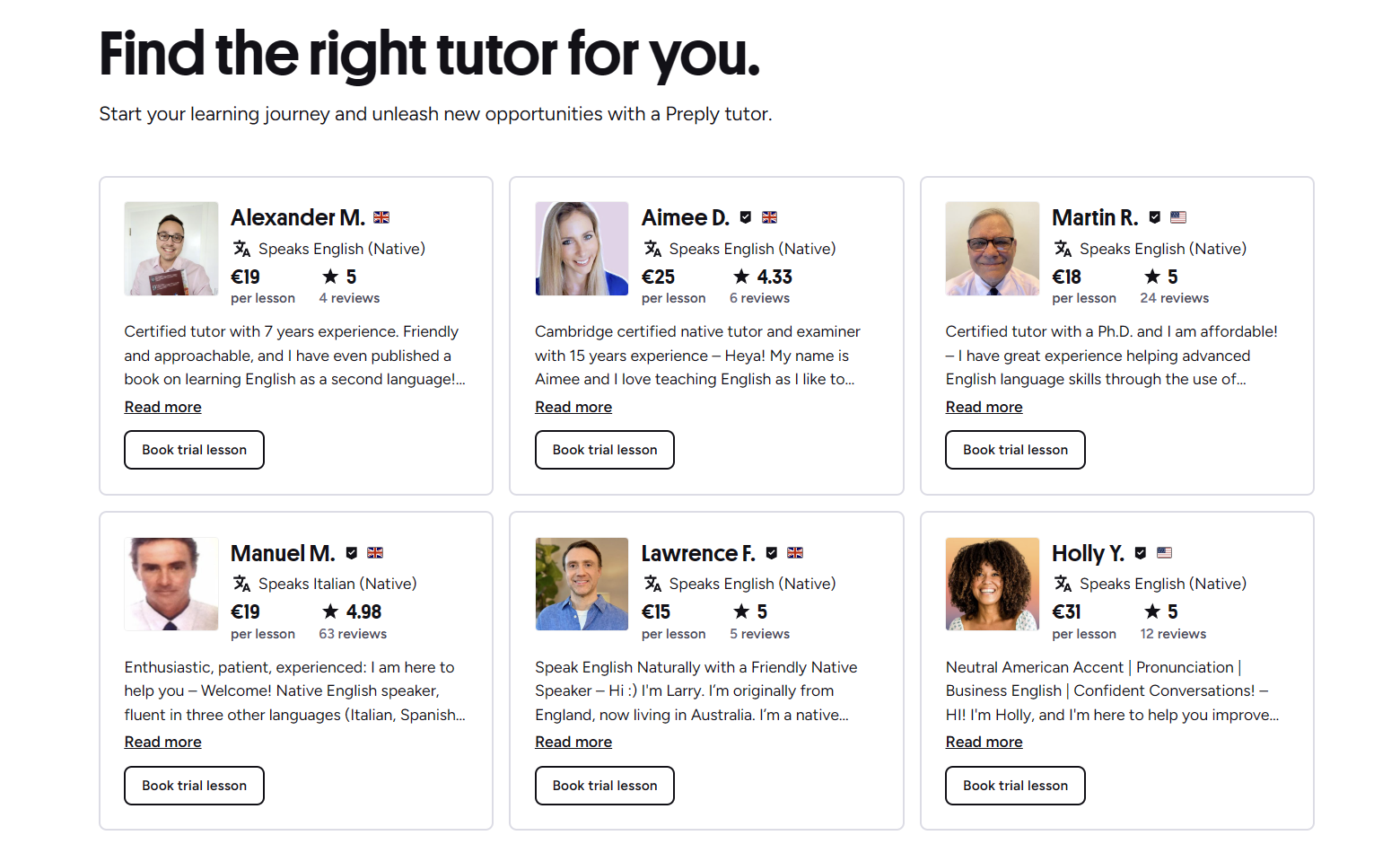
Preply has grown into one of the largest online tutor marketplaces, and its German section reflects that scale. Hundreds of tutors list profiles offering everything from casual conversation practice to structured exam preparation for Goethe, TestDaF, and telc certificates. The platform does not employ tutors directly; it provides the marketplace, scheduling tools, video classroom, and payment infrastructure. That model means quality varies, and the burden of vetting falls on the student. This guide walks through how the German tutor section works, what to look for in profiles, how pricing behaves, and where the platform helps or hinders progress.
Contents
- 1. How Preply German Tutors Work
- 2. Filtering and Searching for German Tutors
- 3. Understanding Tutor Profiles and Qualifications
- 4. Pricing Structure and Lesson Packages
- 5. Trial Lessons and What to Expect
- 6. Learning Tools and Platform Features
- 7. Progress Tracking and Level Assessment
- 8. Specialized German Learning Goals
- 9. Mobile App Experience for German Lessons
- 10. Common Challenges and How to Address Them
- 11. Comparing Preply to Other German Learning Options
- 12. Final Assessment of Preply German Tutors
Most learners arrive with a specific goal: pass a B1 exam for citizenship, handle business meetings in Munich, or simply speak with relatives in Berlin. Preply's filter system lets you narrow by price, availability, native speaker status, and specialty tags like "business German" or "exam prep." But filters only surface profiles. The real decision comes from reading reviews, watching introduction videos, and taking trial lessons. The platform encourages trial lessons at reduced rates, though not all tutors offer them. Understanding how to use those trials effectively separates students who find a long-term match from those who cycle through tutors without progress.
A common misconception is that higher hourly rates guarantee better instruction. On Preply, price correlates more with tutor location, credentials, and demand than with a standardized quality metric. A certified teacher in Germany charging €35 may deliver more structured lessons than a native speaker in a lower-cost country charging €15, but the latter might excel at conversational fluency. The platform shows each tutor's total lesson count, average rating, and response time. Those numbers matter, but they do not replace a conversation about teaching approach, materials, and homework expectations.
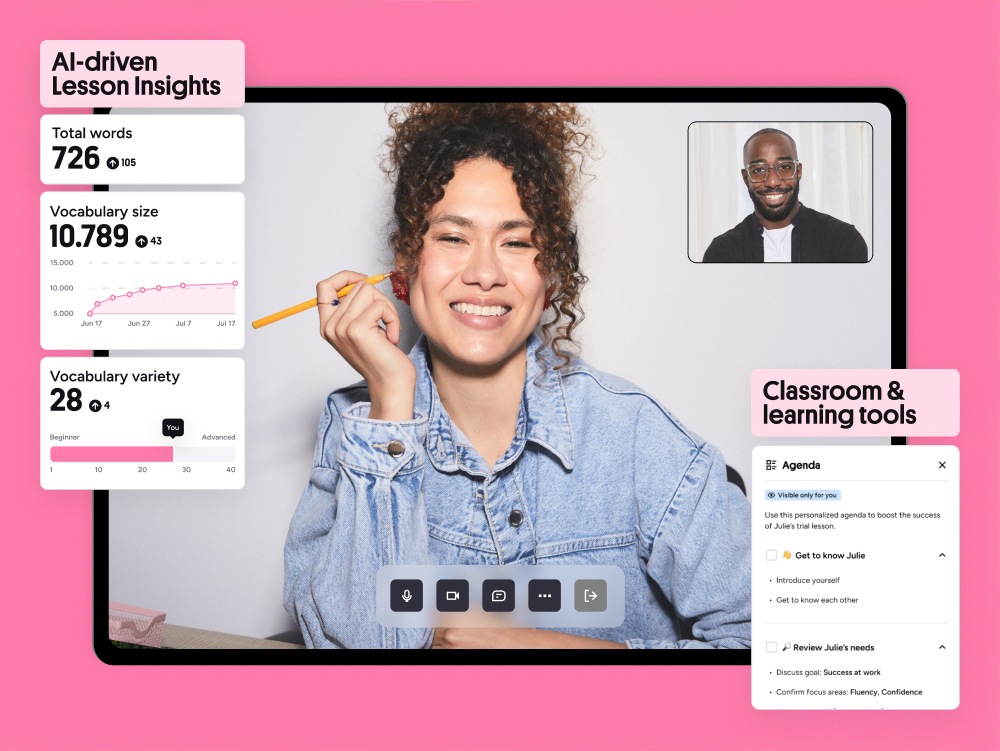
The platform itself adds layers that affect the learning experience. The built-in video classroom includes screen sharing, a collaborative whiteboard, and chat history. Lesson notes and vocabulary lists persist between sessions. A progress dashboard tracks completed lessons, hours studied, and self-assessed CEFR levels. For motivated learners, these tools create accountability. For others, they become another dashboard to ignore. The mobile app mirrors most desktop functions, though some tutors report occasional connectivity issues on mobile data. Knowing the platform's strengths and quirks helps you decide whether to lean into its ecosystem or treat it as a simple booking engine.
How Preply German Tutors Work
Preply operates as a two-sided marketplace. Tutors create profiles, set hourly rates, define availability calendars, and write descriptions of their teaching style. Students browse, filter, book trial or full lessons, and pay through the platform. Preply takes a commission that starts at 33% for new tutors and decreases to 18% after 400 completed hours. That commission structure influences tutor behavior: newer tutors often price lower to attract first students, while established tutors may raise rates once the commission drops. The platform handles scheduling across time zones, sends reminders, and processes refunds when lessons are cancelled within policy windows.
German tutors on Preply fall into several loose categories. Certified teachers hold qualifications like DaF (Deutsch als Fremdsprache) certificates, university degrees in Germanistics, or state teaching licenses. They typically follow structured curricula, assign homework, and prepare students for specific exams. Native speakers without formal teaching credentials often focus on conversation, pronunciation, and cultural nuance. Some specialize in niche areas: medical German for doctors, legal German for lawyers, or technical German for engineers. A third group consists of advanced learners who tutor part-time; their rates are usually lowest, and their teaching methods vary widely.
The booking flow is straightforward. After selecting a tutor, you choose a time slot from their calendar. The platform shows available slots in your local time zone. You can book a single trial lesson (usually 30 or 60 minutes at a discount) or purchase a package of 5, 10, or 20 hours. Packages lock in the tutor's current rate and guarantee the time slots you select. If a tutor raises prices later, your package rate stays fixed. Cancellations require at least 4 hours' notice for a full refund; less notice forfeits the lesson. Tutors can also cancel, in which case you receive a full credit automatically.
- Tutors set their own rates, schedules, and teaching methods
- Commission decreases from 33% to 18% as tutors complete more hours
- Trial lessons typically cost 50-70% of the regular hourly rate
- Packages of 5, 10, or 20 hours lock in current pricing
- Cancellation policy: 4 hours notice for full refund
Filtering and Searching for German Tutors
The search interface starts with a language selector (German) and opens a results page with dozens of profiles. The left sidebar holds filters: price range (hourly rate), tutor location, native speaker toggle, availability (time of day, days of week), and specialty tags. Specialty tags include "Business German," "Test Preparation," "Kids," "Beginners," "Conversation," "Grammar," and "Intensive." You can also filter by "Super Tutor" badge, which Preply awards to tutors with high ratings, strong retention, and consistent activity. The badge helps surface experienced tutors, but it does not guarantee a good fit for your specific goal.
Price filtering is the most used control. Rates for German tutors typically range from €10 to €50 per hour. The median sits around €22-25. Tutors in Germany, Austria, or Switzerland cluster at the higher end. Tutors in Eastern Europe, Latin America, or Asia often charge less. Native speaker status does not always correlate with price; some non-native certified teachers charge more than native speakers without credentials. The filter lets you set a maximum, but setting it too low may exclude tutors who offer structured courses with materials included. Always check what the rate covers: some include custom PDFs, homework correction, and offline support; others provide only the live session.
Availability filtering matters more than it first appears. German learners in North America often struggle to find tutors available during evening hours their time, which corresponds to late night or early morning in Europe. The filter lets you select "Morning," "Afternoon," "Evening," or "Night" in your local time. You can also pick specific days. If your schedule is rigid, filter first by availability, then sort by rating or price. If you have flexibility, sort by rating first and check calendars manually. Many tutors update availability weekly; a slot that looks open today may be booked tomorrow.
Scroll horizontally to see all columns
| Goal | Price Range | Specialty Tags | Availability |
|---|---|---|---|
| Goethe B1/B2 prep | €20-35 | Test Preparation, Grammar | Weekday evenings |
| Business German | €25-45 | Business German, Advanced | Weekday mornings |
| Casual conversation | €12-22 | Conversation, Native Speaker | Weekends |
| Kids/teens | €15-30 | Kids, Beginners | After school hours |
Understanding Tutor Profiles and Qualifications
Each tutor profile contains several sections: introduction video, written bio, education and certifications, work experience, languages spoken, schedule, reviews, and statistics. The introduction video (usually 60-90 seconds) is the fastest way to assess accent, energy, and communication style. Watch for clarity: does the tutor speak at a pace you can follow? Do they switch to English smoothly when explaining concepts? A polished video suggests professionalism, but a simple, honest video can signal a tutor who prioritizes substance over marketing.
The education section lists degrees and certificates. For German, look for: DaF/DaZ certification, Goethe-Institut teacher training, university degrees in German language/literature, or state teaching qualifications (Lehramt). Certificates from telc, ÖSD, or TestDaF examiner training indicate exam-specific expertise. Some tutors list CELTA or TEFL; those are English-teaching certificates and do not directly qualify someone to teach German, though they signal general language-teaching methodology knowledge. If a tutor claims certification, you can often verify by asking for the certificate number during a trial lesson.
Review sections show the last 10-20 reviews with star ratings and written feedback. Preply does not allow anonymous reviews; every review comes from a verified student who completed at least one paid lesson. Look for patterns: multiple reviews mentioning "well-prepared materials," "patient with beginners," or "great at correcting grammar." Be wary of profiles with only 5-star reviews written in similar language; that can indicate incentivized reviews. A few critical reviews ("sometimes late," "less structured than expected") among mostly positive ones often signal authenticity. The platform also shows "response time" and "attendance rate" — tutors who reply within an hour and rarely miss lessons tend to be more reliable.
Pricing Structure and Lesson Packages
Preply's pricing model gives tutors full control over hourly rates. The platform adds its commission on top of the tutor's take-home rate, but students see only the final price. There are no platform fees for students beyond the lesson cost. Payment methods include credit/debit cards, PayPal, Apple Pay, and Google Pay. You can pay per lesson or buy hour packages. Packages come in 5, 10, and 20-hour bundles. Buying a package commits you to that tutor; you cannot transfer hours to another tutor. If you stop lessons with a tutor, unused package hours expire after 12 months unless you request a refund (which Preply evaluates case by case).
Trial lessons are the standard entry point. Most tutors offer a 50-minute trial at 50-70% of their regular rate. Some offer 30-minute trials. The trial is not free; Preply charges the discounted rate. If you do not connect with the tutor, you can request a free replacement trial with another tutor once per 30 days. This policy encourages trying multiple tutors without full-price risk. However, the replacement trial must be requested through support; it does not happen automatically. Some tutors do not offer trials at all — their profiles show "No trial lesson" — which usually means they are fully booked or prefer committed students only.
Scroll horizontally to see all columns
| Tutor Type | Hourly Rate Range | Trial Lesson Cost |
|---|---|---|
| Native speaker, no certification | €10-18 | €5-10 |
| Certified teacher, non-native | €18-30 | €9-18 |
| Certified native teacher (DACH region) | €30-50 | €15-30 |
| Specialized (business, medical, legal) | €35-60 | €18-35 |
Currency handling matters for international students. Preply displays prices in your local currency based on IP location or account settings. The conversion rate includes a small markup (typically 2-3% above mid-market). If your card charges foreign transaction fees, those apply on top. Some tutors list rates in USD regardless of location; others use EUR. The platform converts at booking time. For long-term packages, exchange rate fluctuations can shift the effective cost by a few percent. If you pay in a currency different from the tutor's payout currency, Preply handles conversion on both sides.
Trial Lessons and What to Expect
A trial lesson is a working session, not a sales pitch. Good tutors use it to assess your level, understand your goals, and demonstrate their teaching style. Expect a brief conversation in German (or English if you are a beginner) about why you are learning, what you have tried before, and what you find difficult. The tutor may run a quick diagnostic: reading a short text, asking you to describe a picture, or reviewing a grammar point. They should then outline a rough plan: which textbook or materials they recommend, how they structure homework, and what progress looks like after 10-20 lessons.
Come prepared with specific questions. Ask: "How do you handle grammar explanations — do you use English or German?" "What materials do you use for B1 exam prep?" "Do you assign homework, and how do you correct it?" "How do you track progress between lessons?" A tutor who answers concretely ("I use Schritte International plus custom exercises I send via Google Docs") is more reliable than one who says "We'll figure it out." Also ask about cancellation flexibility, rescheduling policy, and whether they teach on holidays. Some tutors take August off; others work year-round.
After the trial, Preply prompts you to leave a private rating (thumbs up/down) and optional written feedback. This feedback is not public; it helps the platform's matching algorithm. You then decide whether to book a package or another single lesson. If you book a package, the trial cost is not deducted; it was a separate purchase. Some tutors offer a "first lesson free" promotion via Preply's marketing campaigns; these appear as a banner on the tutor's profile. The platform funds the discount, not the tutor. If you use a free trial and do not continue, no charge occurs.
- Bring 3-5 specific questions about teaching method and materials
- Ask for a sample lesson plan for your target level
- Clarify homework expectations and correction turnaround
- Confirm time zone handling for recurring weekly slots
- Test audio/video quality on your actual device and connection
Learning Tools and Platform Features
Preply's video classroom runs in the browser (Chrome, Firefox, Safari, Edge) without plugins. It supports screen sharing, a shared whiteboard, file upload (PDF, images, DOCX), and a persistent chat sidebar. The whiteboard is basic: pen, eraser, text boxes, shapes. It works for annotating PDFs or drawing grammar tables, but it lacks advanced features like equation editors or collaborative document editing. Many tutors supplement with Google Docs, Miro, or Notion links shared in chat. The classroom records nothing by default; if you want recordings, you must use external software (OBS, QuickTime) or ask the tutor to record their screen.
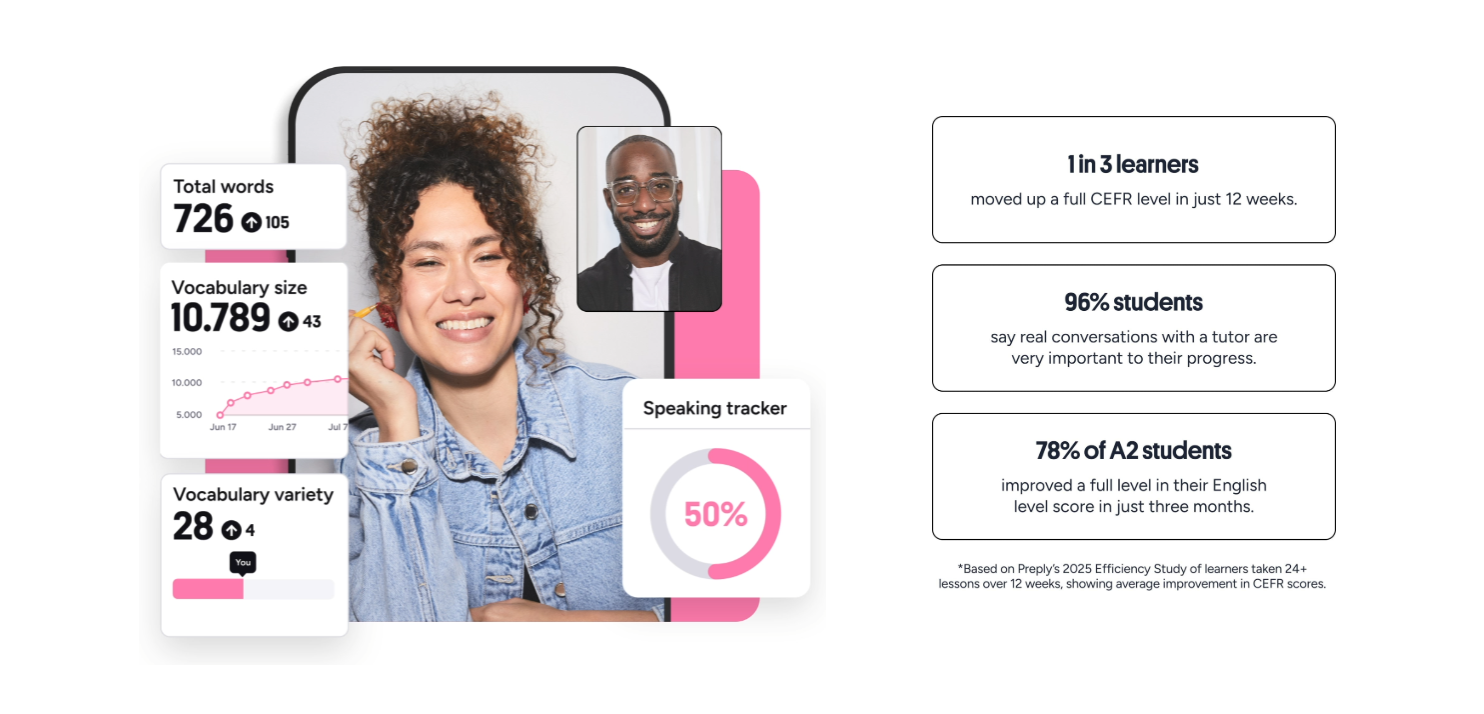
The "My Lessons" dashboard shows upcoming sessions, past lessons with notes, and a vocabulary builder. After each lesson, tutors can add notes visible to the student: new words, corrections, homework assignments. Students can also add private notes. The vocabulary builder lets you save words from chat or notes into a personal list with spaced-repetition flashcards. It is a lightweight SRS (spaced repetition system) — useful for review but not a replacement for Anki or dedicated vocab apps. The dashboard also tracks total hours, lessons completed, and a self-assessed CEFR slider you update manually.
Preply's mobile app (iOS and Android) replicates most desktop features: booking, messaging, classroom, vocabulary, and progress tracking. The classroom on mobile supports screen sharing only on iOS 15+ and Android 10+; older versions fall back to video/audio only. Some tutors report that the mobile whiteboard is cramped on phone screens; a tablet works better. Push notifications for upcoming lessons and tutor messages are reliable. Offline mode lets you review vocabulary flashcards without internet. The app does not support background audio playback for lesson recordings (since Preply does not record natively).
Progress Tracking and Level Assessment
Preply offers a free German level test accessible from the dashboard. It adapts across 20-30 questions covering grammar, vocabulary, reading, and listening. The result maps to CEFR levels (A1-C2) and suggests a starting point. The test is not proctored and relies on self-reporting; treat it as a rough guide. Many tutors prefer their own diagnostic during the first lesson. The platform's progress dashboard shows a graph of hours studied over time, lessons per month, and the CEFR slider you control. It does not auto-adjust based on lesson content or tutor feedback.
For serious learners, external assessment carries more weight. Goethe-Institut, telc, and ÖSD offer official practice tests and certified exams. Preply tutors who specialize in exam prep often use official model tests (Modellsätze) as lesson material. They can simulate oral exam conditions, time written tasks, and grade against official rubrics. If your goal is a certificate, ask the tutor for their pass rate with previous students and which exam format they know best. Some tutors are certified examiners; that experience is valuable but commands higher rates.
Specialized German Learning Goals
Different goals require different tutor profiles. Citizenship applicants need B1 certification (Goethe-Zertifikat B1 or telc Deutsch B1). The exam has four modules: reading, listening, writing, speaking. Tutors with examiner experience can simulate the speaking module (Prüfungsteil Sprechen) accurately, including the partner interaction task. They know the exact phrasing examiners use and the scoring criteria. For this goal, prioritize tutors who list "Test Preparation" and have reviews mentioning Goethe or telc success. Expect to pay €25-40/hour for 20-40 hours of focused prep.
Business German learners face a different challenge. The vocabulary is specialized (Vertrag, Haftung, Quartalsbericht), and the register is formal. Tutors with corporate training experience or backgrounds in German business (BWL, Jura, Ingenieurwesen) bring authentic materials: real emails, meeting transcripts, presentation slides. Some offer "Business German" as a tag but only teach generic phrases. In a trial, ask for a sample lesson on "writing a formal complaint email" or "presenting quarterly results." Their answer reveals depth. Rates for genuine business German specialists start around €35.
Academic German (studying at a German university) requires C1 level (TestDaF, DSH, or telc C1 Hochschule). The writing module demands structured arguments, citation conventions, and academic vocabulary. Tutors with university teaching experience or DaF certification at C1/C2 level are essential. They can guide you through Wissenschaftssprache: nominalization, passive constructions, connector density. This is the most demanding specialization; fewer tutors qualify. Rates often exceed €40. If you need DSH preparation specifically, confirm the tutor knows the exam format for your target university — DSH varies by institution.
Scroll horizontally to see all columns
| Goal | Required Level | Tutor Profile to Seek | Typical Hours |
|---|---|---|---|
| Citizenship (B1) | A2-B1 | Goethe/telc examiner experience | 20-40 |
| Work in Germany | B2-C1 | Business background, corporate training | 30-60 |
| University study | C1 | DaF certified, university teaching exp. | 50-100 |
| Family/heritage | A1-B1 | Patient, conversational focus | Ongoing |
Mobile App Experience for German Lessons
The Preply mobile app is many students' primary access point. It handles booking, messaging, and the video classroom. For German lessons, the app's keyboard handling matters: switching between German and English keyboards on iOS/Android works smoothly, but the classroom's chat input sometimes fails to auto-capitalize German nouns. The whiteboard on a phone screen is usable for quick annotations but cramped for writing full sentences. Tablets in landscape mode work well. If you plan to take lessons primarily on mobile, test the classroom in a trial lesson on your actual device and network.
Offline features are limited. You can review saved vocabulary flashcards without internet. You cannot access lesson notes, chat history, or the whiteboard offline. Messages sent while offline queue and send when reconnected. Push notifications for upcoming lessons (10 minutes before) and new tutor messages are generally reliable on both platforms. Some users report delayed notifications on Android when battery optimization is aggressive; adding Preply to the "unrestricted" battery list fixes this. The app does not support picture-in-picture for the video classroom, so switching to another app pauses your video feed.
The app's home screen shows a "Continue Learning" section with suggested tutors, upcoming lessons, and vocabulary review prompts. It also surfaces Preply's blog articles and YouTube lessons (mostly English-focused). For German learners, the content recommendations are less relevant. The search and filter experience on mobile is condensed: filters collapse into a bottom sheet, and profile photos are smaller. Reading long tutor bios requires scrolling. If you do serious tutor hunting, desktop is faster. Once you have a regular tutor, mobile is convenient for weekly lessons.
Common Challenges and How to Address Them
The most frequent complaint about Preply German tutors is inconsistency. A tutor may be excellent for three months, then become less prepared, cancel more often, or raise rates sharply. The platform's review system reflects historical performance, not current form. If quality drops, address it directly in a message: "I've noticed the last few lessons felt less structured. Can we revisit the plan?" Most tutors respond professionally. If not, Preply's support can mediate or help you switch tutors, though package hours do not transfer. Document the issue with dates and specifics before contacting support.
Time zone friction is the second major issue. German tutors in Europe (CET/CEST) have limited evening availability for students in the Americas (EST/PST). A 7 PM lesson in Berlin is 1 PM in New York and 10 AM in Los Angeles. Students in Asia face the opposite problem: European morning is Asian afternoon/evening, which works better. If your schedule only allows late evenings your time, filter for tutors in time zones that align (e.g., tutors in the Americas who teach German, or European night owls). Some tutors explicitly list "Americas-friendly hours" in their bio.
Technical issues occur but are usually resolvable. Browser permissions for camera/microphone are the top cause. Preply's classroom works best in Chrome; Safari on iOS sometimes blocks screen sharing. If audio echoes, both parties should use headphones. If video freezes, disable HD in the classroom settings (gear icon). Preply's support responds within a few hours for technical tickets. For urgent issues during a lesson, the classroom has a "Report Problem" button that logs the session for review. Tutors can also extend the lesson by a few minutes if technical time was lost, at their discretion.
Comparing Preply to Other German Learning Options
Preply sits between language schools and language exchange apps. Compared to a Goethe-Institut course (€500-800 for a 12-week B1 group course), Preply private lessons at €25/hour for 40 hours cost €1,000 — more expensive but individualized and schedule-flexible. Compared to italki (similar marketplace model), Preply's tutor pool overlaps significantly; many tutors list on both. Preply's classroom is more feature-rich (whiteboard, notes, vocab builder), but italki's review system is more detailed (separate ratings for professionalism, materials, punctuality). Preply's package system locks you to one tutor; italki lets you buy credits usable with any tutor.
Compared to self-study apps (Babbel, Busuu, Duolingo), Preply provides human feedback and speaking practice — the two things apps cannot replicate. Apps cost €5-15/month; Preply costs €100-400/month for weekly lessons. They serve different purposes: apps build vocabulary and grammar recognition; tutors build production and correction. Many learners combine both: app for daily 15-minute practice, tutor for weekly 60-minute speaking and correction. Compared to university language centers, Preply offers more scheduling flexibility but no academic credit. Some universities accept Preply tutors for conversation practice components if the tutor provides documentation.
The platform's subscription model (monthly auto-renewal for packages) differs from pay-per-lesson marketplaces. Once you buy a package, the hours are yours for 12 months. If you pause, hours remain. Preply does not offer a monthly subscription with unlimited lessons; each hour is paid. This transparency helps budgeting but lacks the "all-you-can-learn" appeal of some competitors. For intensive learners (3+ lessons/week), the per-hour cost adds up. Some tutors offer volume discounts off-platform, but Preply's terms prohibit moving payments off-platform. Violating this risks account suspension for both parties.
The marketplace model puts vetting responsibility on the student. That freedom is the feature and the risk.
Final Assessment of Preply German Tutors
Preply's German tutor marketplace works best for learners who know what they want and can evaluate tutors critically. The platform provides tools — filters, trials, reviews, progress tracking — but does not guarantee outcomes. Students who treat it as a curated service (expecting Preply to match them perfectly) often feel disappointed. Students who treat it as a search engine with booking infrastructure, invest time in trials, and communicate expectations clearly tend to find effective tutors. The cost per hour is competitive for private instruction, especially compared to local language schools in high-cost countries. The main trade-off is time spent searching and managing the relationship.
For absolute beginners (A0-A1), a structured course with a certified teacher using a recognized textbook (Menschen, Schritte, Netzwerk) yields faster foundations than piecing together conversation lessons. For intermediate learners (A2-B2) targeting specific exams or professional goals, a specialist tutor on Preply often outperforms group classes because the pacing and content are tailored. For advanced learners (C1-C2) maintaining fluency or preparing for C2 exams, native-speaking tutors with academic or professional backgrounds provide the nuanced correction apps and group classes cannot. The platform's value scales with the specificity of your goal.
Budget-conscious learners can find competent tutors at €15-20/hour, but must accept more variability in materials and methodology. At €30-45/hour, you are paying for certified expertise, exam-specific knowledge, and prepared materials — often worth it for time-bound goals like citizenship exams. The 12-month package expiry is generous enough for most learners, but check the tutor's long-term availability before buying 20 hours. A tutor who disappears after three months leaves you with unused hours and a support ticket. The replacement trial policy (one per 30 days) is a reasonable safety net for the first few matches.
Frequently Asked Questions
How much do Preply German tutors typically charge per hour?
Rates range from €10 to €50 per hour. Native speakers without certification charge €10-18. Certified teachers charge €18-35. Specialized tutors (business, exam prep, academic) charge €35-60. The median is around €22-25.
Can I switch tutors if I buy a package and am not satisfied?
Package hours are tied to the specific tutor and cannot be transferred. If you have unused hours, you can request a refund from Preply support, which is evaluated case by case. The free replacement trial (once per 30 days) only applies to trial lessons, not package hours.
Does Preply offer a German level test?
Yes, Preply provides a free adaptive German level test that maps to CEFR levels A1-C2. It covers grammar, vocabulary, reading, and listening. It is not proctored and should be treated as a rough guide; most tutors prefer their own diagnostic in the first lesson.
Are trial lessons free on Preply?
No, trial lessons are discounted (typically 50-70% of the regular rate) but not free. Some tutors participate in Preply promotions offering a free first lesson; these appear as banners on the tutor profile and are funded by Preply.
What happens if my tutor cancels a lesson?
If a tutor cancels, you receive a full credit automatically. If you cancel with at least 4 hours' notice, you get a full refund. Less than 4 hours' notice forfeits the lesson. Tutors with frequent cancellations see their attendance rate drop on their profile.
Can I use Preply on my phone for German lessons?
Yes, the Preply mobile app (iOS and Android) supports the video classroom, whiteboard, chat, booking, and vocabulary review. Screen sharing works on iOS 15+ and Android 10+. A tablet provides a better whiteboard experience than a phone.
How do I find a tutor for Goethe B1 exam preparation?
Filter for "Test Preparation" specialty tag, then look for tutors who mention Goethe or telc examiner experience in their bio. Read reviews for mentions of B1 exam success. In the trial, ask for a sample speaking module simulation and which model tests they use.
Does Preply record lessons automatically?
No, Preply does not record lessons natively. If you want recordings, you must use external software (OBS, QuickTime, or your OS screen recorder) or ask the tutor to record their screen. Always inform the tutor if you are recording.