
Language Learning
Preply English Conversation Courses: What to Expect
A practical guide to choosing the right conversation tutor and making real progress
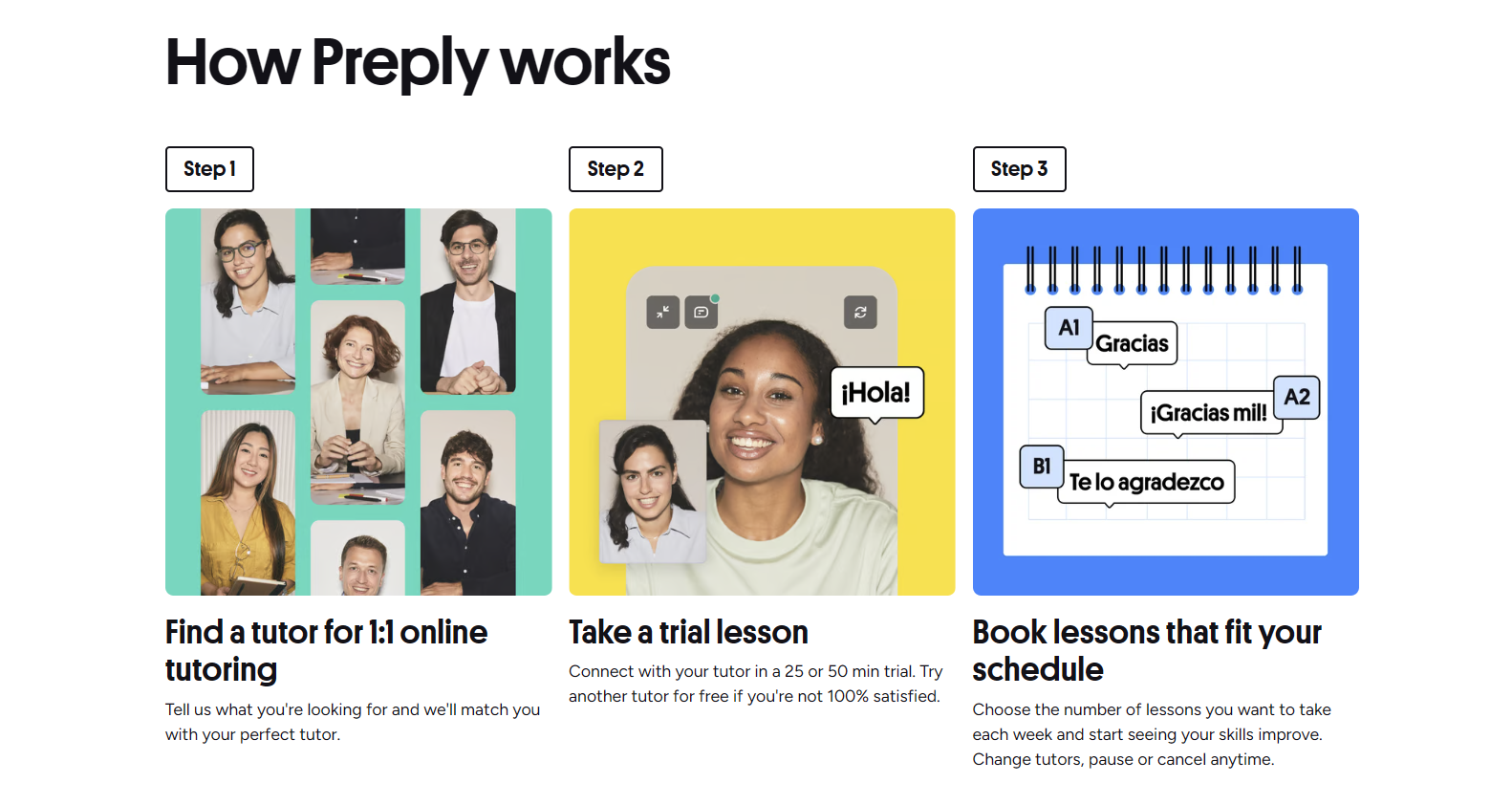
Preply has become one of the most recognizable names in online language tutoring, and its English conversation courses are a major reason why. The platform connects learners with thousands of tutors worldwide, offering one-on-one video lessons that focus on speaking practice rather than textbook drills. For anyone who has studied English for years but still freezes during real conversations, this approach addresses a genuine gap.
Contents
- 1. How Preply Conversation Courses Work
- 2. Finding the Right English Conversation Tutor
- 3. Lesson Structure and What Happens in Sessions
- 4. Pricing and Subscription Options
- 5. Progress Tracking and Learning Tools
- 6. Mobile App Experience for Conversation Practice
- 7. Business English Conversation Courses
- 8. Comparing Preply to Other Platforms
- 9. Common Challenges and How to Address Them
- 10. Making the Most of Your Conversation Lessons
- 11. When to Switch Tutors or Pause
- 12. Final Assessment of Preply English Conversation Courses
The concept is straightforward: you browse tutor profiles, check availability, book a trial lesson, and then decide whether to continue with a subscription. What makes the experience different from traditional language schools is the flexibility. Lessons happen on your schedule, tutors set their own rates, and you can switch instructors whenever you want. That freedom attracts everyone from busy professionals preparing for international meetings to travelers who want basic conversational confidence before a trip.
But the platform's size also creates complexity. With over 30,000 English tutors listed, the quality range is wide. Some are certified teachers with decades of experience. Others are native speakers offering casual chat practice with little formal training. The course structure itself is not a fixed curriculum — it emerges from the tutor-student relationship. That means your results depend heavily on how well you choose and communicate with your tutor.
How Preply Conversation Courses Work
Preply does not sell pre-packaged conversation courses in the way a language school might sell a 12-week syllabus. Instead, the platform provides the marketplace, the video classroom, scheduling tools, and progress tracking. The actual course content is created collaboratively between you and your tutor during lessons. This model has advantages and drawbacks that are worth understanding before you commit.
When you sign up, you take a placement test that assesses grammar, vocabulary, reading, and listening. The speaking component is evaluated during your first lesson with a tutor. Based on the results, you receive a CEFR level estimate (A1 through C2). This helps tutors understand your starting point, but it does not lock you into a specific program. You might test at B1 but want to focus entirely on business meeting simulations, or test at A2 but need pronunciation work before conversation practice makes sense.
The subscription system works on a weekly hour commitment. You choose how many hours per week you want — typically one to five — and pay for a month at a time. Unused hours do not roll over, which creates pressure to attend every scheduled lesson. Tutors receive payment after each completed session, and Preply takes a commission that decreases the longer a tutor stays on the platform. This incentivizes tutor retention but also means newer tutors earn less per lesson.
Lessons take place in Preply's built-in video classroom. It includes a shared whiteboard, chat box, file sharing, and screen sharing. The whiteboard is particularly useful for conversation courses because tutors can write new vocabulary, correction notes, or conversation prompts in real time. Everything saves automatically, so you can review notes between sessions. The classroom works in browsers without downloads, though mobile apps exist for iOS and Android.
Finding the Right English Conversation Tutor
Tutor selection is the single most important decision you will make on Preply. The platform provides filters for price range, availability, native speaker status, specialties, and student ratings. But filters only narrow the pool. You still need to evaluate individual profiles carefully.
Start with the tutor's video introduction. Most tutors upload a 60-90 second clip showing their teaching style, accent, and personality. Watch several. You will notice immediate differences — some speak slowly and clearly for beginners, others converse at natural speed. Some use props and visual aids, others rely on conversation alone. There is no right style, only the style that matches how you learn.
- Check the tutor's specialization tags — look for "conversation practice," "business English," "IELTS speaking," or "pronunciation" depending on your goals
- Read the written bio for teaching philosophy — some emphasize correction, others prioritize fluency and confidence
- Review the number of lessons taught and student retention rate — high numbers with good retention suggest reliability
- Look at the tutor's schedule density — fully booked tutors may be popular but harder to reschedule with
- Note whether the tutor speaks your native language — helpful for beginners, less necessary at intermediate levels
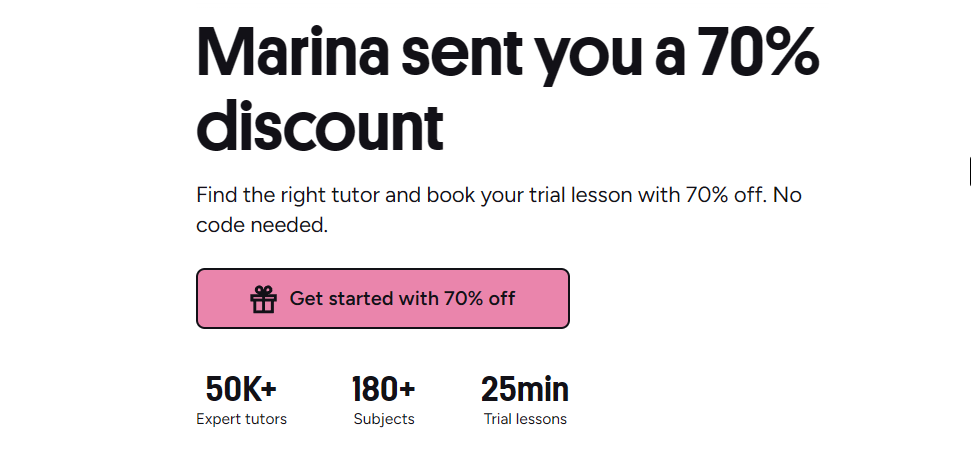
The trial lesson is your real test. Preply offers discounted 50-minute trials (often 50-70% off regular rates). Use this time to assess chemistry, not just competence. Does the tutor listen actively? Do they adjust their speaking speed naturally? Do they take notes on your errors without interrupting flow? A tutor who dominates the conversation or corrects every minor mistake can undermine confidence. One who never corrects lets errors fossilize.
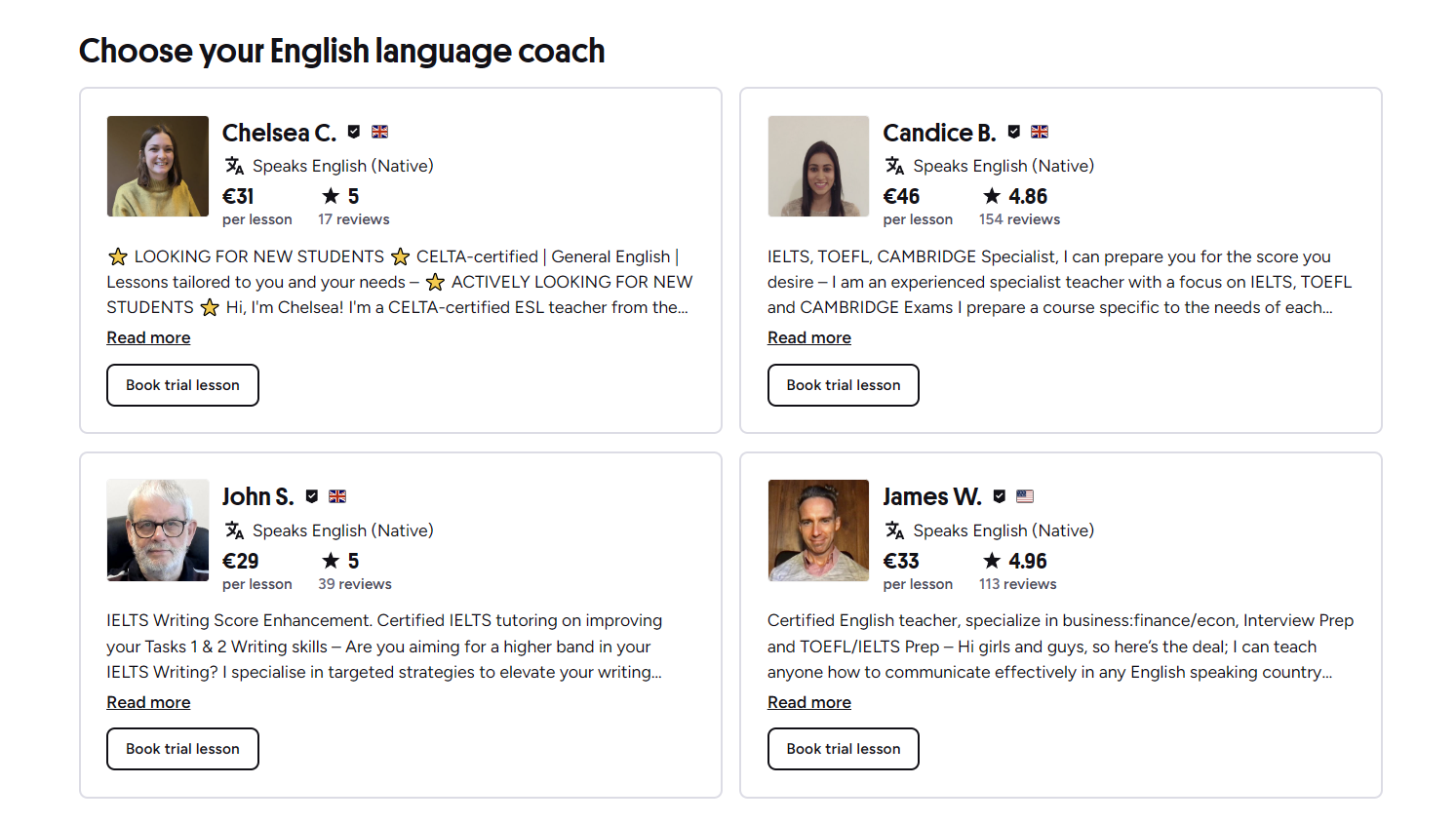
Native speaker status gets heavy marketing emphasis, but it matters less than teaching skill for conversation practice. A non-native tutor who learned English as an adult often explains grammar points more clearly because they consciously studied the rules. Native speakers excel at idiomatic usage, cultural context, and natural rhythm. Many learners benefit from both — a native speaker for authentic conversation flow, a skilled non-native for targeted grammar clarification.
Lesson Structure and What Happens in Sessions
A typical conversation lesson follows a loose pattern, though good tutors adapt constantly. The first 5-10 minutes often involve warm-up chat — weekend activities, work updates, current events. This serves dual purpose: building rapport and assessing your spontaneous speaking level that day. Fatigue, stress, or excitement all affect fluency, and experienced tutors notice.
The core 30-40 minutes target your agreed focus. This might be role-playing a job interview, discussing a news article you read beforehand, practicing presentation delivery, or working through a specific grammar pattern in conversation. Tutors who prepare materials — slides, articles, discussion questions — generally provide more structured progress than those who simply chat. But over-preparation can kill spontaneity. The best tutors balance prepared content with flexibility to follow interesting tangents.
Error correction approaches vary. Some tutors use immediate correction — repeating your sentence correctly. Others note errors for end-of-lesson review. Some use a shared document to track recurring mistakes across weeks. Ask your tutor about their method during the trial. If you prefer one approach, say so. Most will adjust.
Scroll horizontally to see all columns
| Format | Best For | Typical Duration |
|---|---|---|
| Topic-based discussion | Vocabulary expansion, opinion expression | 30-40 minutes |
| Role-play scenarios | Business, travel, social situations | 20-30 minutes |
| Article or video discussion | Listening comprehension, critical thinking | 30-45 minutes |
| Pronunciation drills in context | Accent reduction, specific sounds | 15-20 minutes |
| Free conversation with feedback | Fluency building, confidence | Full lesson |
The final 5-10 minutes should include feedback summary and homework agreement. Good tutors give specific, actionable notes: "Work on 'th' vs 's' distinction before next lesson" or "Review past perfect for storytelling." Vague praise like "Great job today" feels nice but does not guide practice. If your tutor consistently skips structured feedback, ask for it directly.
Pricing and Subscription Options
Preply tutor rates range from roughly $5 to $75 per hour, with most English conversation tutors clustering between $12 and $30. The platform shows prices in your local currency but tutors set rates in USD. Factors influencing price include tutor experience, certifications, specialization, demand, and country of residence. A certified IELTS examiner in the UK charges more than a university student in Argentina, but both may be excellent conversation partners.
Subscriptions require a monthly commitment. You select weekly hours (1, 2, 3, 4, or 5) and pay for four weeks upfront. The per-hour cost decreases slightly with larger packages. For example, a $20/hour tutor might cost $80/month for one hour weekly, $152/month for two hours (5% discount), $216/month for three (10% discount). The discounts are modest compared to some competitors who offer 15-20% for bulk purchases.
Cancellation policy is strict. Lessons cancelled less than 4 hours before start time are charged in full. Tutors can cancel up to 1 hour before without penalty, though repeated cancellations affect their rating. If a tutor no-shows, you receive a credit. Technical issues on Preply's side also trigger credits, but you must report them through support. The platform does not automatically detect connection problems.
Payment methods include major credit cards, PayPal, Apple Pay, and Google Pay. Preply handles all transactions — you never pay tutors directly. This protects both parties but means refund disputes go through Preply support, not your tutor. Refunds for unused subscription hours are generally not granted, though exceptions exist for medical emergencies or tutor misconduct. Read the terms before purchasing a multi-month package.
Progress Tracking and Learning Tools
Preply provides several built-in tools to monitor improvement. The dashboard shows total hours completed, lessons taken, and a progress graph based on tutor assessments. Tutors can update your CEFR level periodically, though this relies on their judgment rather than standardized testing. Some tutors update monthly, others only when they notice clear advancement.
The vocabulary feature lets you save words and phrases from lessons. Tutors can add items to your list during class, and you can review them with spaced repetition exercises between sessions. This is useful but basic compared to dedicated apps like Anki. The flashcard system does not support images, audio, or custom fields. For serious vocabulary building, most learners supplement with external tools.
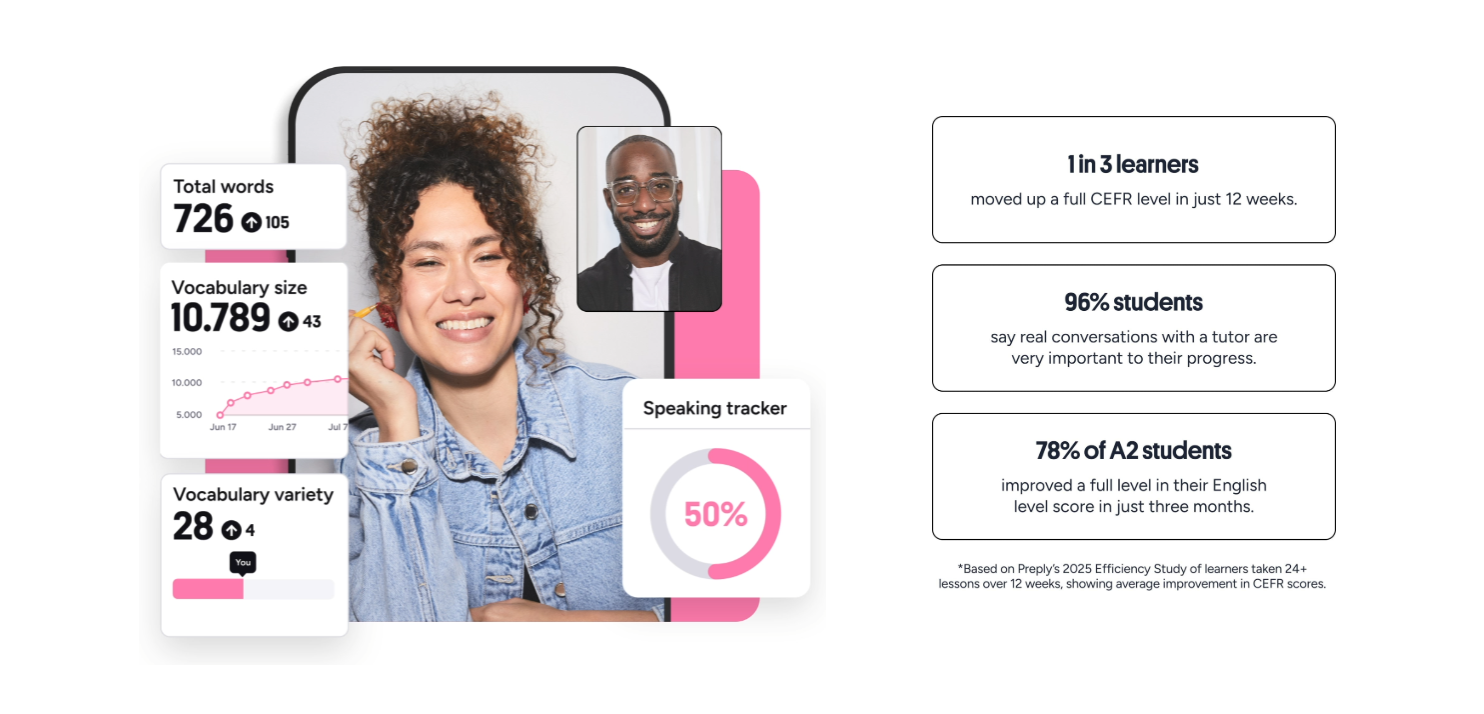
Lesson notes auto-save in the classroom. After each session, you receive an email summary with the whiteboard content, chat history, and any files shared. This creates a searchable archive of your learning journey. I found this surprisingly valuable — searching for "phrasal verbs" or "meeting phrases" across months of lessons reveals patterns in what you have covered and what keeps recurring as a weakness.
The platform also offers a placement test you can retake every 30 days. It covers grammar, vocabulary, reading, and listening — but not speaking. The speaking assessment still requires a tutor. Retaking the test monthly can show trends, though the questions repeat enough that score improvements may reflect test familiarity rather than genuine progress. Treat it as a rough indicator, not a precise measurement.
Mobile App Experience for Conversation Practice
Preply's mobile apps (iOS and Android) replicate most desktop functionality. You can browse tutors, book lessons, enter the video classroom, review notes, and practice vocabulary. The video classroom works well on mobile — screen sharing is limited but whiteboard and chat function normally. For conversation lessons, a phone or tablet is perfectly adequate if you have stable internet and a quiet environment.
The app sends push notifications for upcoming lessons, tutor messages, and vocabulary review reminders. You can disable these granularly. Offline mode allows vocabulary review without internet, which is handy during commutes. However, you cannot download lesson recordings or notes for offline access — a limitation if you travel frequently and want to review between flights.
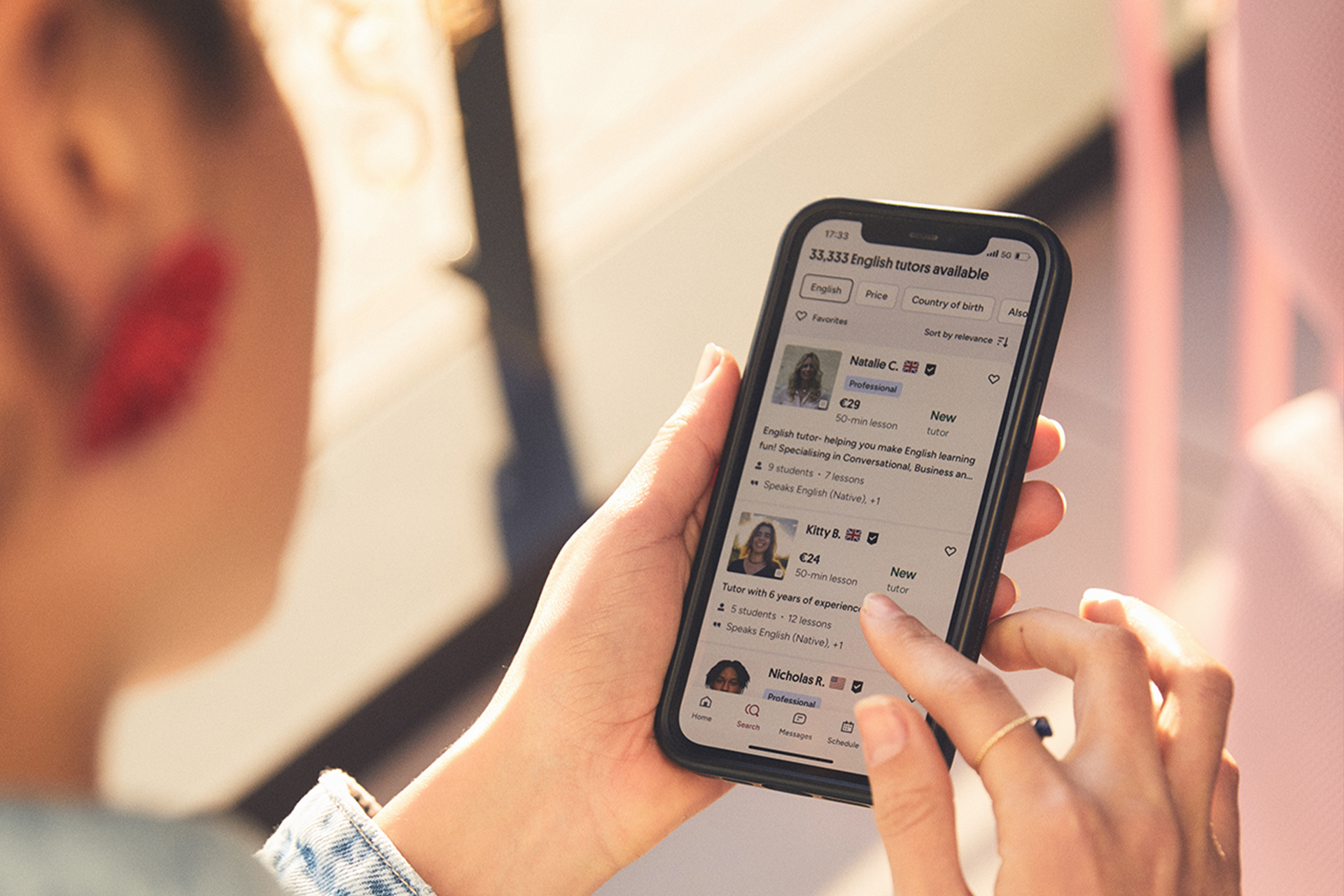
One practical difference: on mobile, the whiteboard is smaller and typing in chat is slower. If your tutor relies heavily on written corrections or shared documents, a laptop or tablet with keyboard works better. For pure conversation practice with minimal writing, phone lessons are fine. Many tutors actually prefer students on mobile because it encourages more speaking and less reading from notes.
Business English Conversation Courses
Preply markets heavily to corporate clients through Preply Business, but individual learners can also access business-focused tutors. The difference is mainly in tutor specialization and available materials. Business English tutors typically have corporate experience themselves — former managers, HR professionals, consultants — and use case studies, email templates, meeting simulations, and industry-specific vocabulary.
If your goal is workplace communication, filter for tutors with "business English" specialization and check their backgrounds. A tutor who spent 15 years in international banking will teach different conversation patterns than one who taught general English at a language school. Both can help, but the former understands the cultural nuances of negotiation, disagreement, and small talk in professional settings.
Scroll horizontally to see all columns
| Aspect | General Conversation | Business Conversation |
|---|---|---|
| Typical topics | Daily life, hobbies, travel, culture | Meetings, presentations, negotiations, networking |
| Vocabulary focus | Idioms, phrasal verbs, slang | Industry terms, formal register, diplomatic language |
| Correction priority | Natural flow, confidence | Accuracy, professionalism, clarity |
| Materials | News articles, videos, discussion questions | Case studies, email drafts, role-play scenarios |
| Tutor background | Varied, often teaching-focused | Often corporate experience + teaching |
Preply Business accounts add admin dashboards, team progress reports, and centralized billing. For individual learners, these features are irrelevant. The tutor pool is the same — business tutors teach individual students too. The main advantage of a business account is expense tracking for reimbursement. If your employer covers language training, ask HR whether they have a Preply Business partnership or would consider one.
Comparing Preply to Other Platforms
The main alternatives for English conversation practice are italki, Cambly, Verbling, and traditional online schools like EF English Live or British Council. Each has a different model. Cambly offers on-demand native speakers 24/7 without booking — great for spontaneous practice, less structured. italki resembles Preply closely but takes a higher commission (15% vs Preply's sliding scale) and has fewer built-in learning tools. Verbling emphasizes certified teachers and includes a more sophisticated classroom with integrated materials.
Traditional online schools provide fixed curricula, group classes, and guaranteed teacher qualifications. They cost more per hour ($25-50) but remove the tutor-selection burden. You trade flexibility for structure. Preply sits in the middle: more structure than Cambly, more flexibility than EF. The right choice depends on whether you want a guided program or a conversation partner you choose yourself.
One area where Preply lags is group conversation practice. The platform is built for one-on-one lessons. Some tutors offer small group sessions informally, but there is no native group classroom feature. If you want discussion groups, debate clubs, or conversation circles, you will need a separate platform or a tutor who organizes them externally. This is a genuine limitation for learners who benefit from peer interaction.
Common Challenges and How to Address Them
The most frequent complaint about Preply conversation courses is inconsistency. You find a great tutor, make progress for two months, then they raise rates, reduce availability, or leave the platform. Tutor turnover is real. The platform's commission structure (starting at 33% for new tutors, dropping to 18% after 400 hours) pushes some tutors to move students off-platform once trust is established. This violates Preply's terms but happens regularly.
Another challenge: subscription pressure. The use-it-or-lose-it weekly hour model means you pay for lessons you miss. Life gets busy — work crises, illness, family obligations. Preply allows pausing subscriptions for up to 4 weeks twice per year, but you must request this before the billing cycle. Many learners forget and lose paid hours. Set calendar reminders for your billing dates.
- Tutor leaves platform: ask for contact info early if relationship is strong (allowed after 3 months per terms)
- Schedule conflicts: book recurring weekly slots rather than ad-hoc to lock in preferred times
- Progress plateau: request a level reassessment and explicit new goals every 8-10 weeks
- Technical issues: test audio/video 5 minutes before each lesson; have backup platform ready
- Motivation dips: schedule a trial with a new tutor for fresh perspective without leaving current one
Technical problems occur but are rarely platform-wide. Most issues are local — wifi instability, outdated browser, microphone permissions. Preply's classroom runs on WebRTC, which works in Chrome, Firefox, Safari, and Edge without plugins. If problems persist, switching browsers resolves 80% of cases. The support team responds within 24 hours for technical tickets, faster for billing issues.
The platform gives you everything you need to succeed, but it will not make you succeed. That part is still on you and your tutor.
Making the Most of Your Conversation Lessons
Preparation separates learners who progress steadily from those who plateau. Spend 15-20 minutes before each lesson reviewing previous notes, identifying 2-3 specific things you want to practice, and preparing questions. If your last lesson revealed weakness with conditional sentences, tell your tutor: "I want to practice conditionals in conversation today." This focuses the session and shows respect for the tutor's planning time.
Between lessons, maintain a simple habit: write three sentences daily using new vocabulary from your last session. Speak them aloud. Record yourself if possible. This bridges the gap between weekly lessons. Preply's vocabulary tool can prompt you, but the habit must come from you. No platform feature replaces daily exposure.
Consider supplementing with listening practice. Conversation lessons improve speaking and listening simultaneously, but focused listening — podcasts, news, interviews — builds the comprehension speed that makes conversation easier. Many tutors recommend specific podcasts for your level and interests. Ask for recommendations.
When to Switch Tutors or Pause
Switching tutors feels like failure, but it is often necessary. Signs it is time: you dread lessons, progress has stalled for 4+ weeks despite effort, the tutor repeatedly cancels or reschedules, or your goals have shifted (e.g., from general conversation to IELTS speaking). Preply makes switching easy — your notes and vocabulary transfer, and you can book a trial with a new tutor while keeping your current subscription.
Pausing makes sense during predictable busy periods — exam seasons, project deadlines, holidays. Use the official pause feature rather than letting hours expire. You retain your tutor relationship and subscription rate. However, popular tutors may fill your time slot during your pause. If your tutor is in high demand, discuss holding the slot informally before pausing officially.
Some learners cycle through tutors every few months deliberately, treating each as a module: one for pronunciation, one for business vocabulary, one for test prep, one for cultural fluency. This works if you communicate clearly with each tutor about the limited scope. It fails if you expect each tutor to build on the previous one's work without a handoff.
Final Assessment of Preply English Conversation Courses
Preply English conversation courses work best for self-directed learners who know roughly what they need and can articulate it to a tutor. The platform provides access, tools, and structure — but not a curriculum. If you want someone to tell you exactly what to study each week, a traditional course or a highly structured tutor is better. If you want to drive your own learning with expert guidance, Preply delivers.
The financial commitment is real but manageable. At $15-25 per hour for 2-3 hours weekly, you invest $120-300 monthly. That is less than most in-person language schools and more than language apps. The value depends entirely on tutor quality and your consistency. A great tutor at $30/hour beats a mediocre one at $15/hour every time. Budget for the tutor, not the platform.
The platform itself is functional but not exceptional. The classroom works, the scheduling is reliable, the progress tracking is adequate. Its strength is the tutor marketplace — the sheer variety of teaching styles, accents, specializations, and price points. Its weakness is the lack of quality control beyond student reviews. You are the quality control. That responsibility is the price of flexibility.
Frequently Asked Questions
How much do Preply English conversation courses cost per month?
Monthly cost depends on your tutor's hourly rate and how many hours you book weekly. Most learners spend $120-300 per month for 2-3 hours weekly with tutors charging $15-25 per hour.
Can I get a certificate from Preply conversation courses?
Preply does not issue accredited certificates. Some tutors provide completion letters, but these are not recognized by universities or employers. For certified proof, take IELTS, TOEFL, or Cambridge exams separately.
What happens if my tutor cancels a lesson?
If a tutor cancels more than 1 hour before the lesson, you receive a full credit. If they cancel within 1 hour or no-show, you receive a credit plus the lesson is marked as tutor-cancelled, which affects their rating.
Do I need to buy materials for conversation lessons?
Most tutors provide materials — articles, exercises, discussion topics — at no extra cost. Some may recommend textbooks for structured grammar work, but conversation practice rarely requires purchased materials.
How long before I see improvement in my English speaking?
Most learners notice increased confidence within 4-6 weeks of consistent weekly lessons. Measurable fluency gains typically appear after 3-6 months, depending on starting level, practice between lessons, and tutor match quality.
Can I take conversation lessons on my phone?
Yes, the Preply mobile app supports full video lessons with whiteboard and chat. For pure conversation, a phone works well. For lessons heavy on document review or typing, a laptop or tablet is more comfortable.
What if I do not like my tutor after a few lessons?
You can switch tutors anytime. Your lesson notes, vocabulary, and progress history transfer automatically. Book a trial with a new tutor before ending the current relationship to ensure a smooth transition.