

Language Learning
Preply Russian Tutors: Find Your Ideal Teacher
A practical guide to selecting a Russian tutor on Preply, with tips on pricing, trial lessons, and progress tracking.
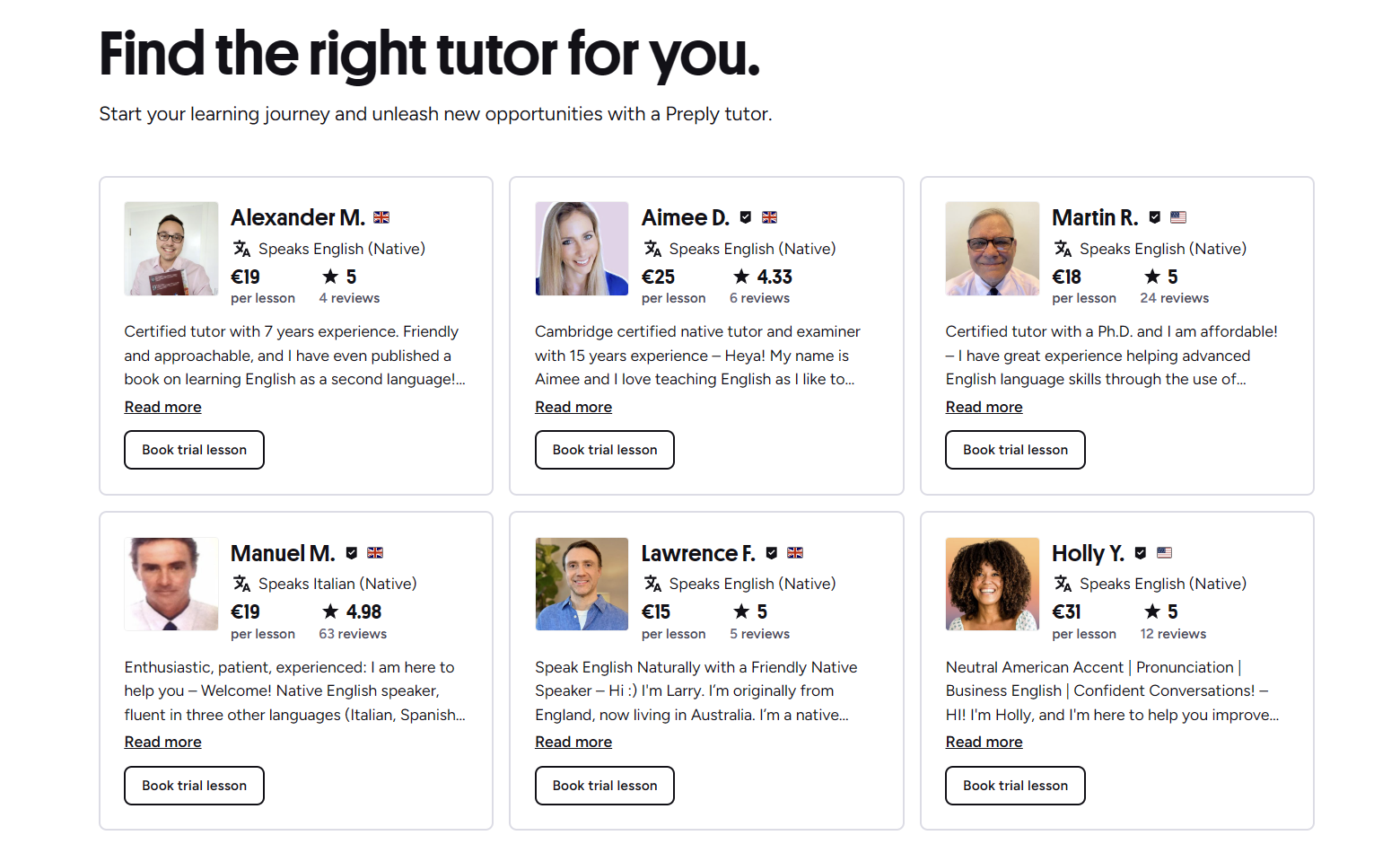
Finding a Russian tutor used to mean scanning local classifieds or asking around at university language departments. Today, platforms like Preply put hundreds of teachers in one searchable list, each with a video intro, hourly rate, and student reviews. The convenience is real, but the volume can be overwhelming. This article walks through how to navigate Preply's Russian tutor marketplace, what to look for in a profile, how pricing works, and how to get the most out of your first few lessons.
Contents
- 1. How the Tutor Search Works
- 2. Reading Reviews Without Getting Misled
- 3. Pricing Tiers and What They Signal
- 4. Trial Lessons: What to Test in 50 Minutes
- 5. Specializations That Matter for Russian
- 6. Using the Platform Tools Between Lessons
- 7. Scheduling Strategies for Consistency
- 8. When to Switch Tutors
- 9. Group Lessons and the Business Tier
- 10. Common Pitfalls and How to Avoid Them
- 11. Progress Tracking Beyond the Dashboard
- 12. Final Assessment of Preply Russian Tutors
Preply operates as a two-sided marketplace. Tutors set their own rates, choose their availability, and write their own descriptions. Students filter by price, specialty, time zone, and rating. The platform handles scheduling, video calls, and payments. For Russian specifically, you'll find native speakers from Moscow, St. Petersburg, Siberia, and the diaspora, plus non-native teachers with advanced certifications. The variety means you can match a tutor to a narrow goal — business Russian, literature, exam prep, or casual conversation — but it also means you need a filter strategy.
How the Tutor Search Works
The search page starts with a simple filter bar: language, price range, availability, and tutor type. For Russian, you can also filter by "native speaker" or "certified teacher." Each tutor card shows a photo, name, country, rating, number of reviews, and hourly price. Clicking through opens a profile with a video introduction, a written bio, teaching specialties, education, and a calendar of open slots. The video is the single most useful signal — you hear the tutor's accent, see their energy, and get a sense of whether their teaching style matches how you learn.
Pay attention to the "specialties" tags. Some tutors tag "Russian for beginners," others "Business Russian," "TORFL preparation," or "Conversational Russian." These tags are self-reported, so treat them as hints rather than guarantees. A tutor who lists "Business Russian" but has only taught tourists may not have the vocabulary depth you need. Cross-reference the tags with the reviews — students often mention what they actually studied.
Reading Reviews Without Getting Misled
Preply reviews are written after a lesson is completed. They tend to be positive because students who dislike a tutor usually just switch rather than leave a negative review. Look for patterns instead of individual comments. If five reviewers mention "great for grammar explanations" and two say "too much chatting," you have a clearer picture than a 4.9 average rating. Also check the reviewer's level — a beginner praising a tutor's patience doesn't tell you if that tutor can handle advanced literary analysis.
- Filter reviews by date to see recent teaching style.
- Note how many reviews come from students with similar goals.
- Watch for tutors with many reviews but few repeat students — could indicate trial-only bookings.
- Read the critical reviews (3 stars or below) for specific complaints about punctuality, materials, or flexibility.
The platform also shows a "response time" metric. A tutor who replies within an hour is likely organized and communicative. One who takes a day may be busy or less attentive to scheduling changes. This matters when you need to reschedule a lesson on short notice.
Pricing Tiers and What They Signal
Russian tutors on Preply typically charge between $8 and $40 per hour. The lower end is often newer tutors, non-native speakers, or teachers based in regions with lower living costs. The upper end includes certified examiners, university professors, and specialists in niche areas like legal or medical Russian. Price alone doesn't predict quality, but it correlates with experience and credentials. A $12 tutor with 200 reviews and a TORFL examiner badge may be a better value than a $30 tutor with ten reviews and a generic TEFL certificate.
Scroll horizontally to see all columns
| Tier | Hourly range | Common profile |
|---|---|---|
| Entry | $8–$15 | Newer tutors, non-native, high availability |
| Mid | $15–$25 | Experienced, often native, good review volume |
| Premium | $25–$40+ | Certified examiners, university staff, niche specialists |
Preply takes a commission that decreases as a tutor earns more on the platform (starting at 33% for the first lessons, dropping to 18% after $500 earned). This means a tutor's listed price isn't their take-home pay. Some tutors factor the commission into their rate; others keep rates low to attract volume. You can ask a tutor about their commission tier during a trial — it's not secret, and it helps you understand whether a price jump reflects the tutor's skill or the platform's cut.
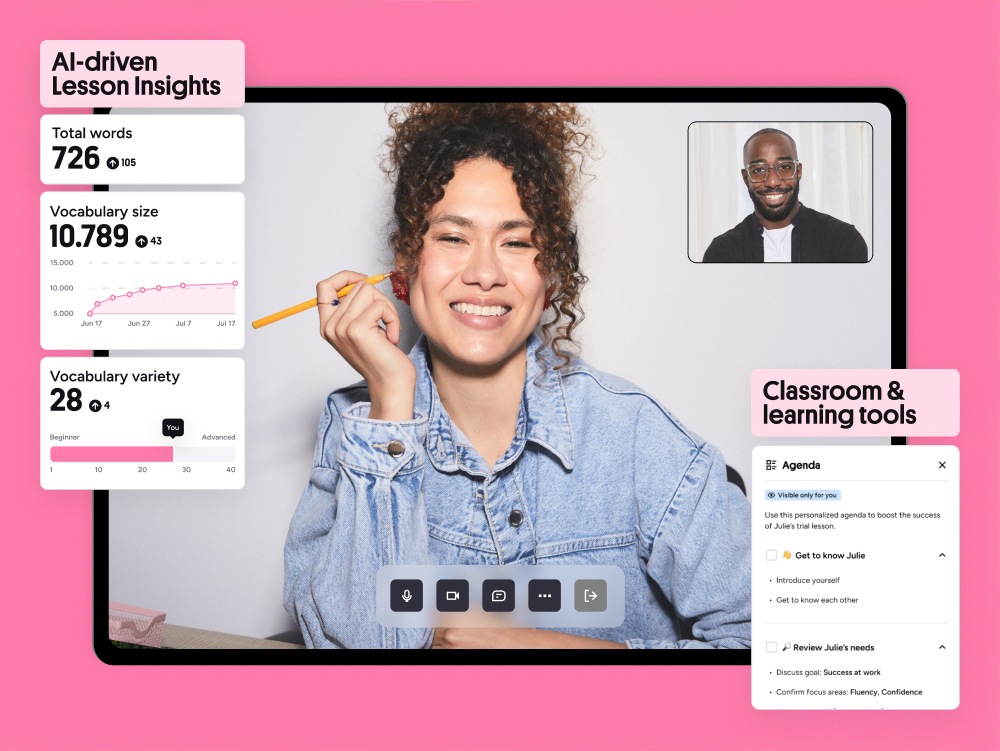
Preply also sells lesson packages. Buying 5, 10, or 20 hours upfront gives a small discount (usually 5–10%). The discount is modest, but the psychological commitment can help you stick to a schedule. If you're unsure about a tutor, book a single trial first. The platform's refund policy covers unused lessons if a tutor cancels or if you're dissatisfied with the first lesson, but the process takes a few days.
Trial Lessons: What to Test in 50 Minutes
A trial lesson is 50 minutes and costs the tutor's regular hourly rate (some offer a 50% discount for the first lesson). Treat it as a working session, not a chat. Come with a concrete goal: "I want to practice case endings in spoken sentences" or "I need to read a business email and reply." Share this goal in the chat before the call starts. A good tutor will adjust on the fly; a rigid one will stick to a pre-made slide deck regardless of your needs.
- Test the tutor's ability to explain a grammar point you've struggled with.
- Ask for a quick level assessment — they should have a rough CEFR estimate by the end.
- Observe how they correct errors: immediate interruption, delayed notes, or written feedback?
- Check the tech: audio clarity, screen sharing, whiteboard responsiveness.
- See if they assign homework or suggest self-study resources between lessons.
After the trial, Preply asks you to rate the tutor and decide whether to continue. You can book the same tutor again or try another. There's no penalty for switching. Many students trial three to five tutors before settling. That's normal and expected — tutors know the first lesson is an audition.
The trial lesson is the only time you're evaluating the tutor as a customer. After that, you're a student. Use the difference.
Specializations That Matter for Russian
Russian has distinct learning tracks. A tutor who excels at teaching tourists survival phrases may not know the TORFL exam structure. A literature specialist might overwhelm a beginner with poetic vocabulary. Match the tutor's specialization to your current phase.
Scroll horizontally to see all columns
| Goal | What to look for | Red flags |
|---|---|---|
| Travel basics (2–4 weeks) | Conversational focus, practical vocab, flexible scheduling | Heavy grammar drills, no speaking practice |
| TORFL / university exam | Certified examiner badge, past student results, structured curriculum | No exam-specific materials, vague "we'll cover everything" |
| Business Russian | Corporate teaching experience, industry vocab (finance, IT, law) | Only general textbook topics, no role-play scenarios |
| Heritage / maintenance | Cultural context, literature, nuanced register differences | Treating you like a beginner, ignoring existing fluency |
| Kids / teens | Gamified methods, age-appropriate materials, patience | Adult textbooks, rigid error correction |
If your goal shifts — say you start with travel Russian and later need TORFL prep — you may need to switch tutors. That's fine. Preply makes it easy to pause one tutor and start another. Just communicate the change so the old tutor doesn't hold a recurring slot.
Using the Platform Tools Between Lessons
Preply's classroom includes a shared whiteboard, file upload, and chat history. The whiteboard persists between lessons, so you can build a running vocabulary list or grammar reference. Tutors often upload PDFs, audio clips, or homework sheets there. Download them after each lesson — the chat history is searchable, but files are easier to organize locally.
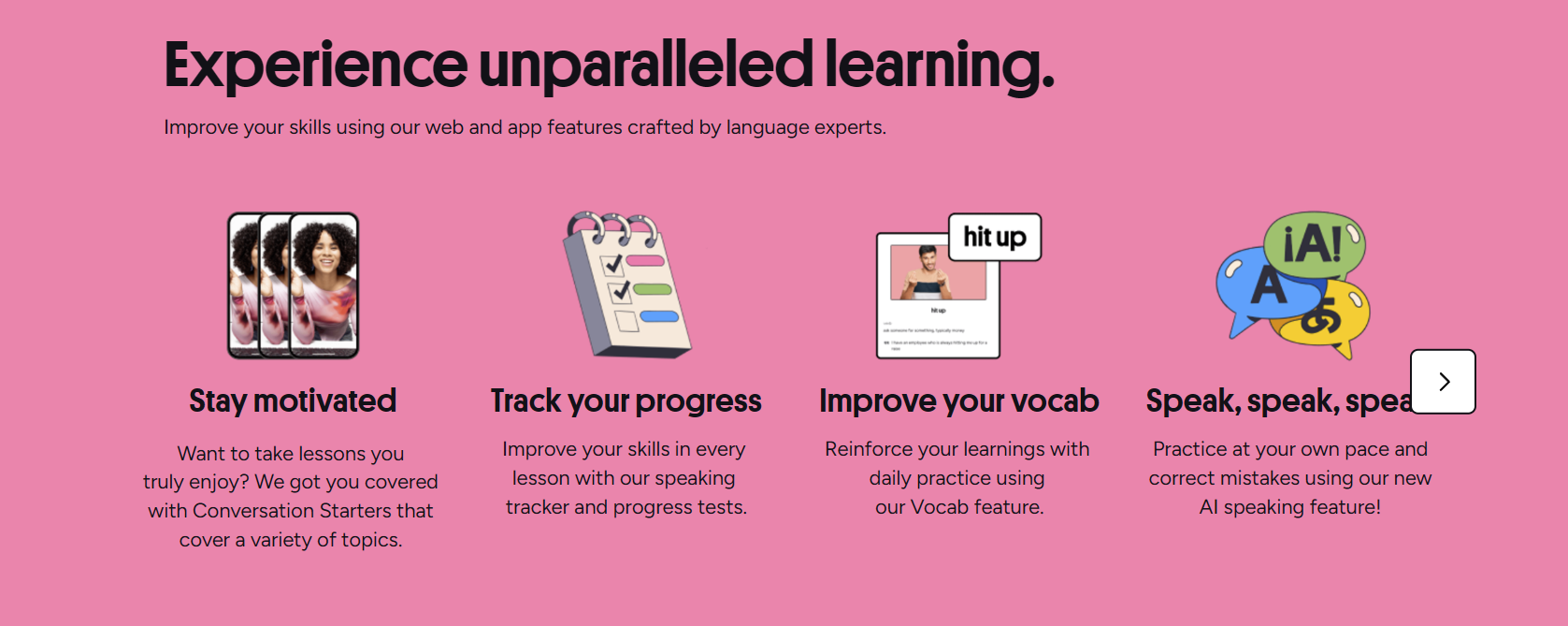
The platform also tracks "learning progress" with a simple dashboard: lessons completed, hours studied, and a self-assessment slider. It's not a rigorous proficiency test, but it gives a visual streak that some learners find motivating. You can set a weekly hour target and get email reminders. The mobile app (iOS and Android) mirrors the desktop experience, so you can take a lesson from a phone if your laptop fails — though a larger screen helps with the whiteboard.
Scheduling Strategies for Consistency
Consistency beats intensity for language acquisition. Two 50-minute lessons per week usually outperforms one 2-hour session. Preply's calendar lets you book recurring slots — same day, same time, weekly. Lock those in with your tutor. If your schedule shifts, the platform allows rescheduling up to 4 hours before the lesson without penalty (tutor-dependent). Some tutors require 24 hours. Check the cancellation policy on their profile before booking a package.
- Book the next lesson before ending the current one — keeps momentum.
- Use the "favorite" heart icon to shortlist tutors while comparing.
- Set your time zone correctly in account settings; the calendar converts automatically.
- If a tutor's calendar is full weeks out, they're in demand — good sign, but you may wait for a slot.
Time zones are a hidden advantage. Russian tutors span UTC+2 to UTC+12. If you're in New York (UTC-5), a tutor in Vladivostok (UTC+10) is 15 hours ahead — their morning is your evening. That can open early-morning or late-night slots that fit a 9-to-5 schedule. Filter by "available now" for instant lessons, but those are rare for popular tutors.
When to Switch Tutors
Switching feels like failure, but it's often the right move. Signs it's time: the tutor repeatedly cancels, lessons feel repetitive after 8–10 sessions, you're not getting corrected on errors you know you make, or the tutor dominates the talking time. A good tutor speaks 20–30% of the lesson; you should speak the rest. If the ratio is flipped, you're paying for a lecture, not practice.
You're not married to a tutor. You're renting their expertise for an hour. If the fit isn't there, move on.
Preply doesn't penalize switching. Your lesson history and files stay in your account. The new tutor can see your past tutors (if you allow) and review your chat history. Some tutors ask for a brief summary of what you've covered — have a one-paragraph note ready: "Covered cases 1–4, basic verbs of motion, 200-word vocab. Weak on aspect pairs." That saves the first 10 minutes of the new relationship.
Group Lessons and the Business Tier
Preply offers group lessons (2–6 students) at a lower per-person rate. For Russian, group classes are less common than for English, but they exist — usually conversation clubs or exam prep cohorts. The trade-off: less individual speaking time, fixed schedule, but peer interaction and lower cost. If you're self-employed or a small team, the Business tier adds admin dashboards, centralized billing, and progress reports for managers. It's overkill for a solo learner but useful if your company pays.
The Business tier also unlocks a dedicated account manager and custom curriculum design. For Russian, this could mean a tailored program for a team expanding into CIS markets. Pricing is quote-based, not public. If you're an individual, stick to the standard marketplace.
Common Pitfalls and How to Avoid Them
The biggest pitfall is booking a package with a tutor you've only trialed once. A single lesson shows the tutor's best behavior. By lesson four, habits emerge: chronic lateness, recycled materials, vague feedback. Book 3–5 single lessons before committing to a package. The per-lesson cost is slightly higher, but the flexibility to walk away is worth it.
- Don't ignore the "lesson duration" setting — some tutors default to 60 minutes, others 50. Confirm before booking.
- Check the tutor's "teaches" list: some list Russian but only teach English to Russian speakers. Filter by "teaches Russian" explicitly.
- Avoid tutors who ask you to pay off-platform (crypto, TransferWise, cash). It violates terms and removes Preply's dispute protection.
- Don't assume a high rating means a good fit. A 4.9 tutor who teaches only kids won't suit an adult business learner.
Another trap: the "native speaker" filter. Native fluency doesn't equal teaching skill. Many non-native tutors have formal linguistics training and can explain grammar more clearly than a native who acquired the language intuitively. Use the filter as a starting point, not a decision rule.
Progress Tracking Beyond the Dashboard
Preply's built-in progress tracker is thin. For real measurement, combine it with external benchmarks. Take a free online placement test (like the one on the Russian Ministry of Education site) every 20–30 hours. Record yourself reading a standard text monthly — compare pronunciation, fluency, and error rate. Keep a shared Google Doc with your tutor for vocabulary, corrections, and homework. The platform's chat search is decent, but a doc you control is faster to review.
Scroll horizontally to see all columns
| Interval | Action | Tool |
|---|---|---|
| Every 10 hours | Review vocab list, note recurring errors | Shared doc |
| Every 20 hours | Retake placement test, compare score | Free online test |
| Monthly | Record 2-minute monologue on same topic | Phone voice memo |
| Quarterly | Ask tutor for written progress summary | Email / Preply message |
If you're preparing for TORFL, ask the tutor for a mock exam once you're near the target level. Preply doesn't host official exams, but a certified examiner tutor can simulate the format and give a realistic band estimate. That's a service worth paying premium rates for.
Final Assessment of Preply Russian Tutors
Preply's Russian tutor marketplace works because it reduces friction: you can go from search to first lesson in under an hour. The platform's strengths are volume, scheduling flexibility, and a low barrier to trial. Its weaknesses are the commission structure (which inflates prices for newer tutors), the lack of standardized curriculum, and the review inflation that makes every tutor look excellent. The solution is to treat the platform as a discovery tool, not a quality guarantee. Trial deliberately, switch freely, and track progress yourself. If you do that, Preply is one of the most efficient ways to find a Russian tutor who matches your goals, schedule, and budget.
Frequently Asked Questions
How much do Russian tutors on Preply typically charge?
Most Russian tutors charge between $8 and $40 per hour. Entry-level tutors are $8–$15, experienced tutors $15–$25, and certified examiners or specialists $25–$40+.
Can I get a refund if I don't like my first lesson?
Preply's refund policy covers the first lesson if you're dissatisfied. You need to contact support within a few days. The process takes 3–5 business days.
Do I need to buy a lesson package or can I pay per lesson?
You can pay per lesson. Packages of 5, 10, or 20 hours give a small discount (5–10%) but require upfront payment. Single lessons offer maximum flexibility.
How do I know if a tutor is good at teaching Russian grammar?
Watch their video intro for explanation clarity, check reviews for mentions of grammar teaching, and test them in a trial lesson with a specific grammar question you've struggled with.
Are native Russian speakers always better tutors?
Not necessarily. Native speakers have intuitive fluency but may lack formal grammar explanations. Non-native tutors with linguistics training often explain structure more clearly. Judge by teaching demo, not passport.
Can I switch tutors after buying a package?
Yes. Unused lessons in a package can be refunded or transferred to another tutor. Contact Preply support to arrange the switch.
Does Preply offer group Russian classes?
Group lessons exist but are less common for Russian than for English. They're cheaper per person but give less individual speaking time. Check the "group lessons" filter on the search page.
What equipment do I need for Preply lessons?
A stable internet connection, webcam, microphone, and the Preply classroom (runs in Chrome/Firefox). The mobile app works for backup but a desktop is better for the whiteboard.