

Language Learning
Preply English Writing Practice: Improve Skills with Tutors
A practical guide to using Preply for English writing improvement through one-on-one tutoring and structured practice.
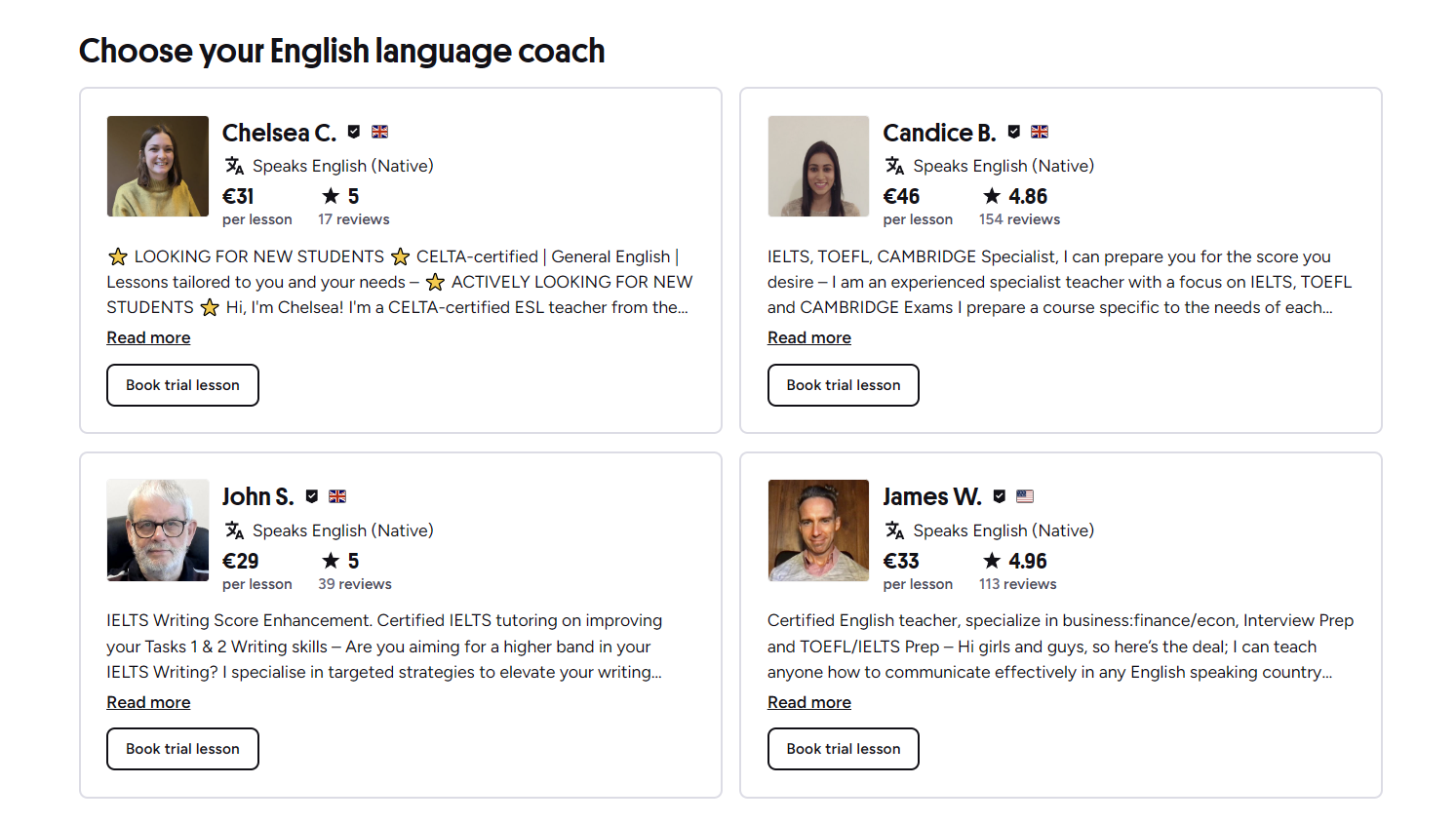
Writing in English feels different from speaking it. You have time to think, but that same pause can become a trap. Second-guessing word choice, worrying about grammar rules you half-remember, staring at a blank screen — these are common experiences. Preply English writing practice addresses this by connecting learners with tutors who provide real-time feedback, structured exercises, and the kind of guidance that turns hesitation into progress.
Contents
- 1. How Preply English Writing Practice Works
- 2. Finding the Right Writing Tutor on Preply
- 3. Types of Writing Practice Available
- 3.1. Academic Writing Support
- 3.2. Business and Professional Writing
- 3.3. Creative and Expressive Writing
- 3.4. General Fluency and Grammar-Focused Writing
- 4. Structured Writing Exercises and Feedback
- 4.1. Guided Writing Tasks
- 4.2. Error Analysis and Correction Cycles
- 4.3. Model Text Analysis
- 4.4. Collaborative Writing
- 5. Grammar and Vocabulary Integration
- 6. Progress Tracking and Goal Setting
- 7. Writing for Specific Purposes
- 7.1. Exam Preparation: IELTS, TOEFL, Cambridge
- 7.2. University Applications and Academic Publishing
- 7.3. Workplace Communication
- 7.4. Creative Projects and Personal Expression
- 8. Using Preply's Learning Resources
- 9. Pricing and Lesson Options
- 10. Common Challenges and Solutions
- 10.1. Inconsistent Tutor Quality
- 10.2. Scheduling Conflicts and Time Zones
- 10.3. Plateaus and Motivation Dips
- 10.4. Over-Reliance on Tutor Correction
- 11. Comparing Preply to Alternatives
- 11.1. vs. Self-Study Tools (Grammarly, QuillBot, LanguageTool)
- 11.2. vs. Writing Courses (Coursera, edX, British Council)
- 11.3. vs. Language Exchange Partners
- 11.4. vs. Local In-Person Tutors
- 12. Building a Sustainable Writing Routine
- 13. When to Reassess Your Tutor Match
- 14. Final Assessment of Preply English Writing Practice
The platform does not hand you a textbook and wish you luck. Instead, it builds a learning path around your specific goals. Someone preparing for IELTS needs different support than someone writing business emails or creative fiction. Tutors on Preply adapt their approach accordingly, which makes the practice feel relevant rather than generic.
This article walks through how the writing practice works, what to expect from tutors, how to choose the right one, and where the platform fits into a broader language learning routine. It also covers practical details like pricing, scheduling, and the tools Preply provides outside of live lessons.
How Preply English Writing Practice Works
The core mechanism is straightforward. You browse tutor profiles, filter for English writing specialization, book a trial lesson, and then decide whether to continue with a subscription. But the experience inside those lessons varies significantly depending on the tutor's teaching style and your stated objectives.
Most writing-focused tutors start with a diagnostic. They might ask you to write a short paragraph on a familiar topic, or they'll review something you've already written — an email, an essay, a report. From there, they identify patterns: recurring grammar errors, limited vocabulary range, awkward phrasing, organizational issues. The feedback is immediate and specific, which is the main advantage over self-study tools that only flag errors without explaining why they matter in context.
Lessons typically combine synchronous and asynchronous elements. During the live session, you might co-write a document in Google Docs or the Preply classroom, with the tutor highlighting changes and explaining alternatives in real time. Between sessions, tutors often assign writing tasks — a paragraph, an email rewrite, an essay outline — and provide written feedback before the next meeting. This rhythm keeps momentum going without requiring daily live lessons.
The platform's classroom includes a shared whiteboard, chat, and file sharing. Some tutors use external tools like Google Docs, Notion, or Miro for more flexible collaboration. The choice often comes down to tutor preference, but the Preply classroom works well enough for most writing tasks, especially shorter exercises and real-time editing.
Finding the Right Writing Tutor on Preply
Preply hosts thousands of English tutors. Not all of them teach writing effectively. Some focus almost entirely on conversation. Others specialize in exam preparation but lack experience with creative or professional writing. The filter system helps, but reading profiles carefully saves time and money.
Look for tutors who explicitly mention writing in their headline or description. Phrases like "academic writing," "business English writing," "IELTS/TOEFL writing," "creative writing," or "writing feedback and correction" signal relevant experience. Check their video introduction — many tutors describe their writing methodology there. Reviews are another signal. Search the review text for keywords like "writing," "essay," "grammar," "feedback." A tutor with fifty five-star reviews for conversation practice might have zero experience correcting formal reports.
- Filter by "English" and "Writing" specialization tags
- Read the tutor's description for writing-specific methodology
- Watch the introduction video for teaching style clues
- Scan reviews for writing-related feedback mentions
- Check if they offer trial lessons at reduced rates
- Note their availability in your time zone
Trial lessons are essential. Most tutors offer a 25- or 50-minute trial at a discount. Use it to test their feedback style. Do they explain corrections or just fix them? Do they ask about your goals before diving in? Are they comfortable with your writing context — academic, professional, creative? A good trial feels like a consultation, not a generic lesson.
Types of Writing Practice Available
Writing practice on Preply falls into several categories. Most tutors cover multiple types, but their depth varies. Knowing what you need helps you evaluate whether a tutor's background matches.
Academic Writing Support
This covers essays, research papers, personal statements, thesis chapters, and exam responses for IELTS, TOEFL, Cambridge, and similar tests. Tutors with academic backgrounds — often current or former university instructors — understand structure requirements, citation styles, and the expectations of academic readers. They help with thesis development, paragraph cohesion, argument flow, and the formal register that academic contexts demand.
Business and Professional Writing
Emails, reports, proposals, presentations, LinkedIn profiles, cover letters. The focus here is clarity, tone, and cultural appropriateness. Tutors with corporate experience or business English certifications teach conventions like indirect requests, hedging, formatting standards, and audience awareness. They also address the specific vocabulary and phrasing patterns common in international business communication.
Creative and Expressive Writing
Fiction, personal essays, blog posts, poetry, journaling. This is less rule-bound and more about voice, rhythm, and stylistic choices. Tutors who write creatively themselves — published authors, journalists, MFA graduates — offer the most value here. They can discuss show-don't-tell, dialogue mechanics, narrative distance, and the subtle grammar choices that shape tone.
General Fluency and Grammar-Focused Writing
For learners who want to write more naturally in everyday contexts — messages, social media, casual emails, journal entries. The emphasis is on reducing translation-from-native-language errors, expanding collocation knowledge, and building confidence. Tutors often use guided freewriting, sentence transformation exercises, and targeted grammar drills embedded in meaningful contexts.
Scroll horizontally to see all columns
| Writing Type | Primary Focus | Best Tutor Background |
|---|---|---|
| Academic | Structure, argument, citation, formal register | University instructors, exam prep specialists |
| Business | Clarity, tone, formatting, cultural norms | Corporate trainers, business English certified |
| Creative | Voice, style, narrative technique, imagery | Published writers, journalists, MFA grads |
| General Fluency | Natural phrasing, grammar patterns, confidence | Experienced ESL teachers, conversation specialists |
Many learners need a mix. A PhD student might need academic writing for their dissertation but also want to improve email communication with supervisors. A marketing professional might need business reports and creative copy for campaigns. Good tutors adapt across categories, but it's worth confirming their comfort level with each type you need.
Structured Writing Exercises and Feedback
The exercises tutors assign depend on their methodology and your level. There is no single Preply curriculum for writing — each tutor designs their own. That flexibility is a strength, but it means quality varies. Understanding common exercise types helps you recognize effective practice.
Guided Writing Tasks
These are structured prompts with clear constraints. Examples: "Write a 150-word email requesting a meeting, using three polite indirect phrases we discussed." "Rewrite this paragraph to improve cohesion, using at least four transition words from the list." "Summarize this article in 100 words, focusing on cause-effect language." Constraints force you to practice specific skills rather than falling back on comfortable patterns.
Error Analysis and Correction Cycles
You submit a piece of writing. The tutor marks errors categorically — grammar, vocabulary, punctuation, style, organization — and returns it with a feedback summary. You then revise based on the feedback, and the tutor reviews the revision. This cycle repeats. It teaches self-editing, which is the skill that transfers to independent writing. Some tutors use color-coding systems or error logs to track recurring issues across multiple assignments.
Model Text Analysis
Before writing, you analyze a strong example of the target genre. A business email, a high-scoring IELTS essay, a well-structured blog post. The tutor guides you through identifying structural moves, useful phrases, grammatical patterns, and rhetorical strategies. Then you write your own version applying what you noticed. This builds genre awareness — understanding what makes a text effective in its context.
Collaborative Writing
During the lesson, you and the tutor build a text together in real time. You suggest a sentence; the tutor refines it and explains why. The tutor proposes an alternative; you discuss the nuance. This is slower than solo writing but highly instructive because the decision-making process is visible. It works well for complex genres like argumentative essays or sensitive business communications.
The best writing tutors don't just correct — they make their thinking visible so you can internalize the process.
Feedback delivery matters as much as the exercise design. Effective feedback is specific, actionable, and balanced. It identifies what works, not just what's wrong. It explains the principle behind a correction so you can apply it elsewhere. And it prioritizes — not every error gets equal attention in a single session. Tutors who overwhelm you with twenty corrections at once usually produce frustration, not improvement.
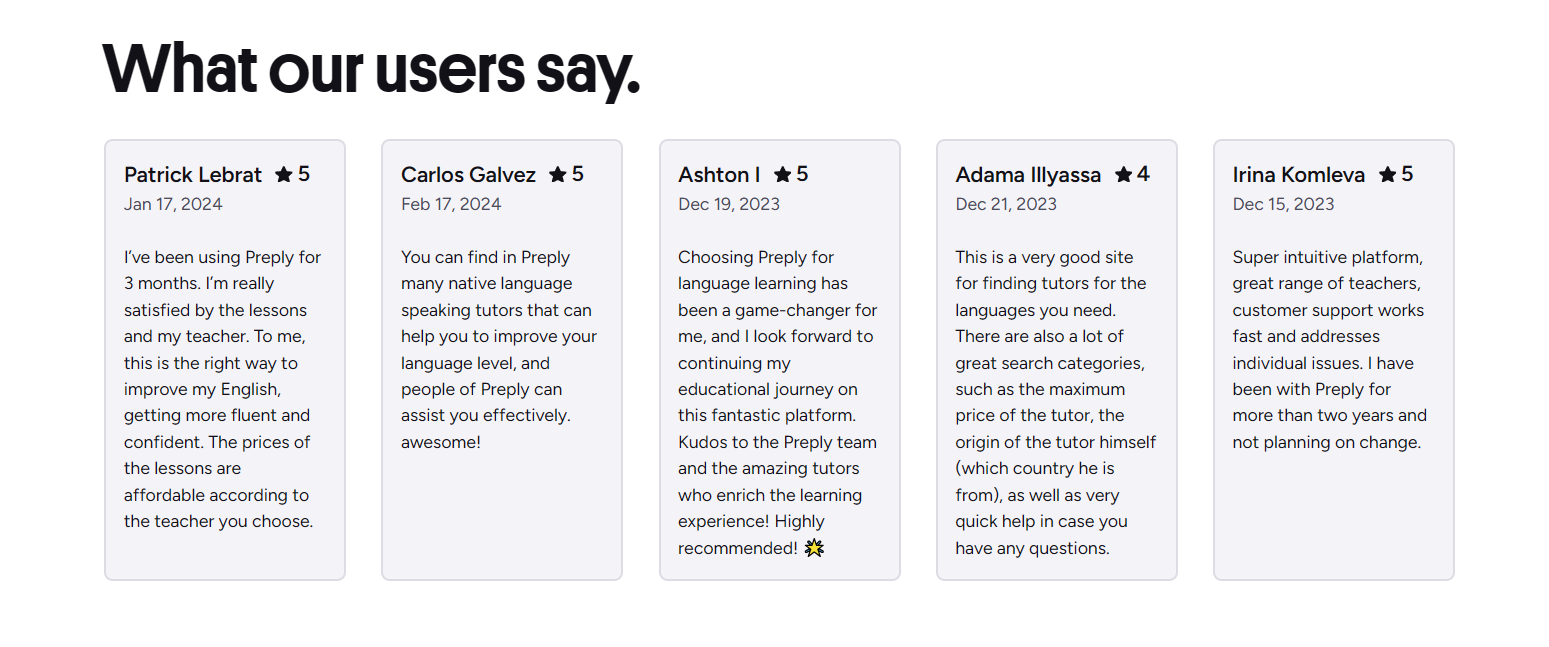
Some tutors provide written feedback asynchronously between lessons. You submit a draft, they return comments within 24 hours. This extends practice time without additional live sessions. Not all tutors offer this — it's worth asking during the trial. Asynchronous feedback is especially valuable for longer pieces like essays or reports where live co-editing would consume the entire lesson.
Grammar and Vocabulary Integration
Writing practice naturally surfaces grammar and vocabulary gaps. A tutor who only corrects surface errors misses the opportunity to build underlying competence. The better approach integrates targeted language work into the writing process.
When a pattern emerges — say, consistent misuse of article determiners or confusion between similar verbs — effective tutors pause the writing task for a focused mini-lesson. They might present a quick explanation, a few controlled practice sentences, then return to the writing with the new awareness active. This just-in-time grammar instruction sticks better than isolated drills because the need is immediate and contextual.
Vocabulary expansion works similarly. Instead of memorizing word lists, you encounter lexical gaps while trying to express a specific idea. The tutor supplies the precise term, explains its collocations and register, and you use it immediately in your text. Repeated encounters across multiple writing tasks move words from passive recognition to active use.
- Article and determiner patterns in context
- Verb tense consistency across paragraphs
- Preposition collocations with nouns and adjectives
- Hedging and boosting language for academic tone
- Transition phrases for logical flow
- Reporting verbs for citing sources
- Nominalization for formal conciseness
- Parallel structure in lists and comparisons
Preply also offers a grammar guide and exercises section accessible outside lessons. These resources cover topics like conditionals, passive voice, relative clauses, and common error patterns. They're useful for self-study between sessions, especially if your tutor assigns specific modules as homework. The guide isn't a replacement for tutor feedback, but it reinforces concepts you've already encountered in context.
Progress Tracking and Goal Setting
Preply includes a progress tracking dashboard. It shows lesson count, hours completed, and a self-assessment slider for speaking, listening, reading, and writing. Tutors can also set learning goals and mark them as achieved. The dashboard is simple — some learners find it motivating, others ignore it. Its usefulness depends on how actively your tutor engages with it.
More meaningful tracking happens through the writing itself. A tutor who saves your drafts and feedback creates a visible record of improvement. You can compare an essay from month one with one from month three and see concrete changes: fewer article errors, more varied sentence structures, stronger topic sentences, better paragraph transitions. Some tutors maintain a shared document or folder with all your work, which becomes a portfolio of progress.
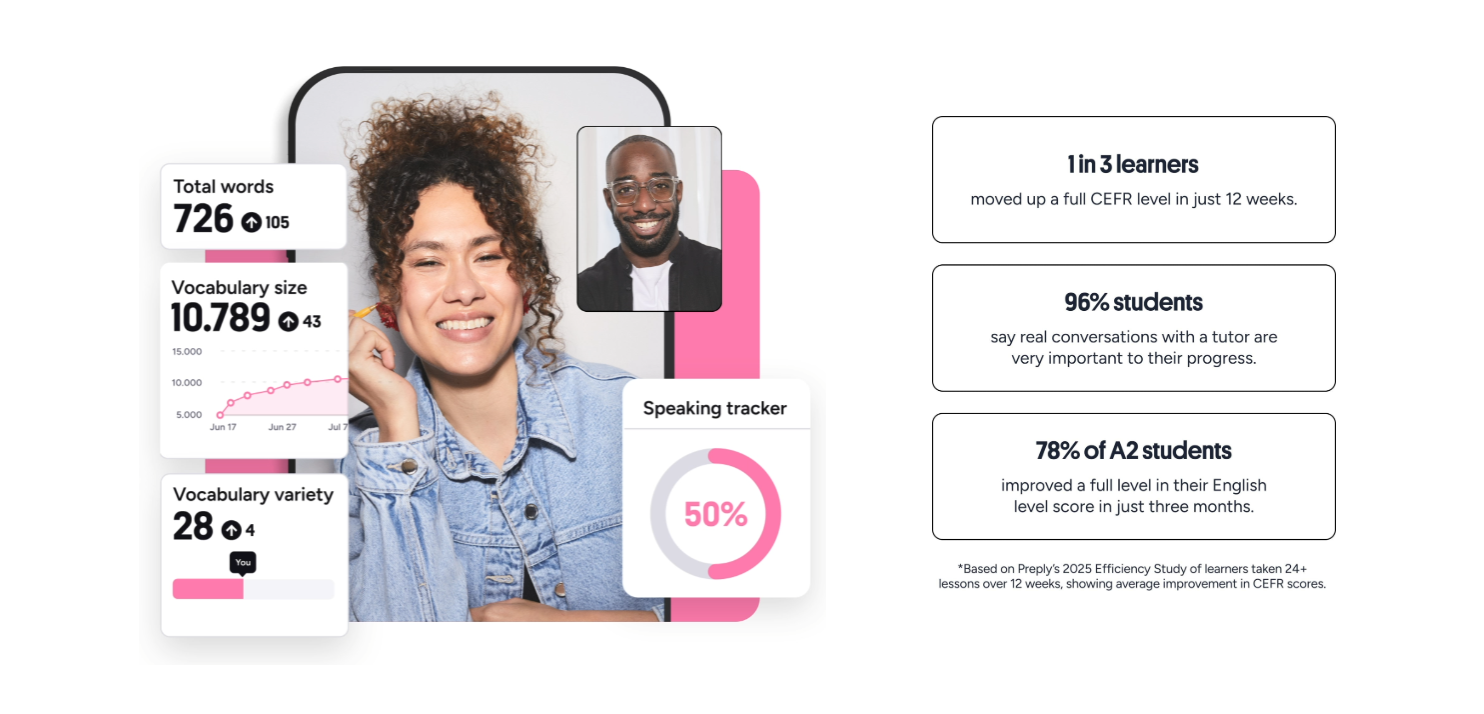
Goal setting works best when it's specific and time-bound. "Improve my writing" is too vague. "Write a 250-word IELTS Task 2 essay with fewer than five grammar errors in 40 minutes by June" is actionable. Good tutors help you define these goals during the first few lessons and revisit them periodically. They also adjust goals when your needs shift — a common occurrence as learners discover what they actually struggle with versus what they assumed was the problem.
Writing for Specific Purposes
Different writing contexts demand different skills. Preply tutors often specialize in one or two domains. Matching your purpose to a tutor's expertise accelerates progress.
Exam Preparation: IELTS, TOEFL, Cambridge
Exam writing has rigid criteria. IELTS Task 1 requires specific data description language. Task 2 demands a clear position, developed arguments, and cohesive devices. TOEFL integrated writing tests synthesis of reading and listening. Cambridge exams have their own genre expectations. Tutors who specialize in these exams know the rubrics intimately. They teach template structures, time management strategies, and the exact vocabulary examiners reward. They also provide timed practice with scoring estimates.
University Applications and Academic Publishing
Personal statements, statements of purpose, scholarship essays, and journal articles each have distinct conventions. A tutor with admissions committee experience or academic publishing credentials understands what readers in those contexts look for. They help you position your narrative, avoid clichés, and meet the often-unwritten expectations of your target audience. This is high-stakes writing where generic advice falls short.
Workplace Communication
Daily workplace writing — Slack messages, project updates, meeting summaries, client emails — benefits from tutors who understand professional norms in English-speaking environments. They teach the difference between "Please find attached" and "Here's the file," when to use passive voice for diplomacy, how to structure a bad-news email, and the cultural assumptions behind common phrases. This practical focus often yields the fastest visible improvement because the practice material is your actual work.
Creative Projects and Personal Expression
Blogging, fiction, memoir, poetry — these benefit from tutors who read and write in those genres. The feedback shifts from correctness to effect: "This metaphor works because..." "The pacing drags here when you..." "Your narrator's voice feels inconsistent in this paragraph." Creative writing tutors often assign reading alongside writing, because absorbing good prose is half the learning. They may also introduce workshop-style critique if you're in a group setting, though Preply is primarily one-on-one.
Scroll horizontally to see all columns
| Purpose | Key Skills | Tutor Specialization to Seek |
|---|---|---|
| IELTS/TOEFL | Task response, coherence, lexical resource, grammar | Exam prep certified, former examiner |
| University Application | Narrative strategy, authenticity, program fit | Admissions experience, academic writing |
| Business Email/Reports | Clarity, tone, formatting, cultural awareness | Business English, corporate background |
| Creative Writing | Voice, craft, genre conventions, revision | Published author, MFA, writing teacher |
| Academic Publishing | Argument structure, citation, journal conventions | Researcher, journal editor, academic editor |
Some tutors cross categories. A business English tutor might also help with IELTS writing. An academic tutor might assist with a personal statement. But for high-stakes or highly specialized writing — a journal submission, a legal contract, a novel manuscript — a tutor with direct domain experience is worth the search time.
Using Preply's Learning Resources
Beyond live lessons, Preply provides a library of self-study materials. The English grammar guide covers major topics with explanations and practice exercises. The vocabulary guide organizes words by theme — business, travel, academic, idioms. There are pronunciation guides, listening exercises, and reading texts with comprehension questions. For writing specifically, the exercises section includes gap-fills, transformations, and short composition prompts.
These resources are best used as supplements, not replacements for tutor feedback. A gap-fill exercise confirms you understand a grammar point in isolation. Writing a paragraph using that point in context proves you can deploy it. Tutors often assign specific modules as homework: "Complete the conditionals module before our next lesson, then we'll practice them in your essay." This blended approach — self-study for knowledge, live lessons for application and feedback — is efficient.
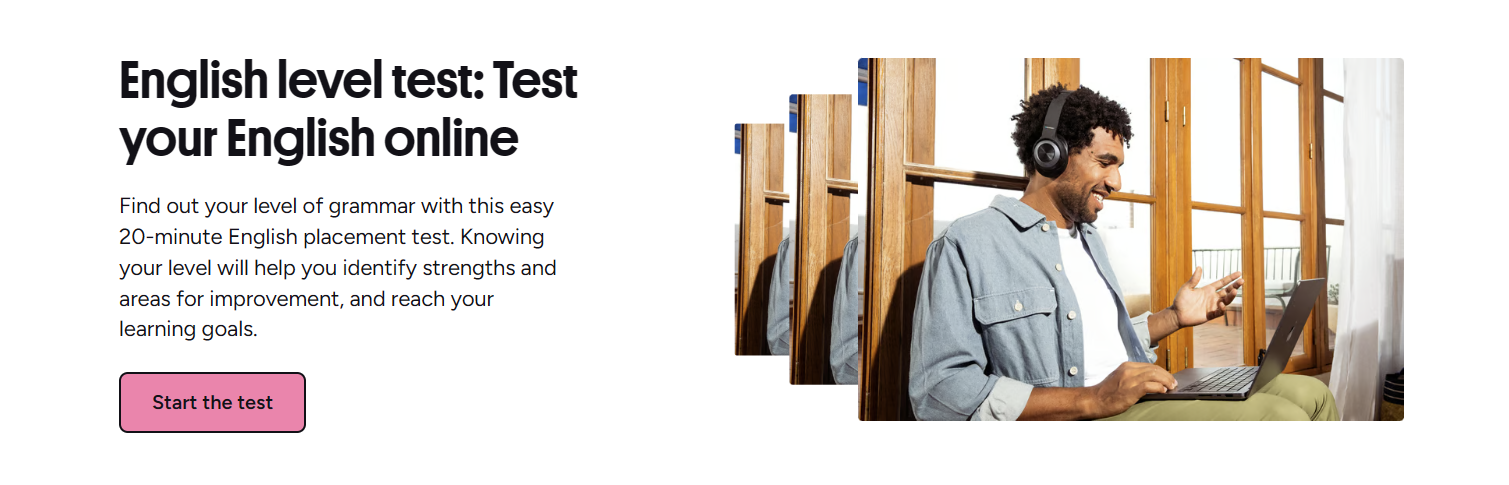
The platform also offers an English level test. It assesses grammar, vocabulary, reading, and listening. Writing and speaking are not auto-graded — those require a tutor. The test gives a CEFR estimate (A1–C2) which helps tutors calibrate initial lessons. Retaking it every few months provides a rough progress benchmark, though it's no substitute for the qualitative assessment a writing tutor provides.
Preply's mobile app and desktop app sync lesson notes, vocabulary lists, and scheduled sessions. You can review tutor feedback on your phone between lessons, add words to your personal dictionary, and complete assigned exercises during commute time. The apps are functional but not feature-rich — they serve the core loop of scheduling, attending, and reviewing, not deep study.
Pricing and Lesson Options
Preply uses a subscription model. You purchase a package of hours per month — typically 4, 8, 12, or 16 — at a per-hour rate that decreases with larger packages. Tutor rates vary widely, from roughly $10 to $80 per hour, based on experience, specialization, and demand. Writing specialists with advanced credentials tend to cluster in the $25–$50 range. Trial lessons are usually 50% off the tutor's regular rate.
Subscriptions auto-renew monthly. Unused hours do not roll over — they expire at the end of each billing cycle. This creates pressure to use your hours, which can be motivating or stressful depending on your schedule. You can pause a subscription for up to three months if you need a break. Cancellation is straightforward but must be done before the next billing date to avoid charges.
- Hourly rates set by individual tutors, not Preply
- Package discounts: larger packages = lower per-hour cost
- Trial lessons typically 50% off regular rate
- No rollover for unused monthly hours
- Subscription pause available up to 3 months
- Refund policy varies — check before purchasing
For writing practice, lesson frequency matters more than duration. A 60-minute session once a week works, but two 45-minute sessions often produce better results because the feedback loop is tighter. You write, get feedback, revise, and bring the revision to the next session within a few days rather than a week. Some tutors offer 30-minute sessions focused solely on feedback for a piece you wrote asynchronously — a cost-effective option for advanced learners who need less instruction and more correction.
Common Challenges and Solutions
Writing practice on Preply isn't frictionless. Learners encounter predictable obstacles. Knowing them in advance helps you navigate or avoid them.
Inconsistent Tutor Quality
The platform's open marketplace means anyone meeting basic requirements can teach. Some tutors are exceptional; others rely on charm over competence. The review system helps but suffers from positivity bias — learners rarely leave negative reviews after a few lessons. The trial lesson is your primary quality filter. If a tutor's feedback feels vague, generic, or overly encouraging without substance, move on. Don't sink months into a mediocre match hoping it improves.
Scheduling Conflicts and Time Zones
Popular tutors book up fast, especially in peak hours (evenings in major time zones). If your schedule is rigid, you may need to compromise on tutor choice or lesson time. Booking recurring weekly slots solves this for many learners — the tutor reserves your time automatically. But it reduces flexibility. Some tutors offer asynchronous feedback as an alternative when live scheduling fails, which keeps progress moving during busy weeks.
Plateaus and Motivation Dips
Writing improvement is non-linear. You might see rapid gains in the first month as basic errors disappear, then hit a plateau where progress feels invisible. This is normal. The errors that remain — subtle register mismatches, weak argument structure, limited rhetorical range — are harder to fix and harder to see. Tutors who track error categories over time can show you the progress you're missing. Reviewing old writing samples yourself also helps. If motivation dips, shorten the lesson frequency temporarily rather than quitting. Consistency at lower intensity beats intense bursts followed by long gaps.
Over-Reliance on Tutor Correction
Some learners fall into a pattern: write poorly, let the tutor fix it, repeat. This creates dependency, not skill. The solution is deliberate self-editing practice. Before submitting a draft to your tutor, run through a personal checklist: article usage, verb tense consistency, transition words, paragraph topic sentences, word repetition. Flag uncertainties. When the tutor returns feedback, compare their corrections to your flags. Over time, your self-editing catches more errors before the tutor sees them. That's the transfer goal.
The tutor's job is to make themselves unnecessary. If you still need the same corrections after twenty lessons, something in the method isn't working.
Comparing Preply to Alternatives
Preply isn't the only way to practice English writing. Understanding the alternatives clarifies when Preply is the right choice and when it isn't.
vs. Self-Study Tools (Grammarly, QuillBot, LanguageTool)
Automated tools catch grammar, spelling, and some style issues instantly and cheaply. They don't explain the why, they can't teach genre conventions, and they often miss context-dependent errors. They're excellent for polishing near-final drafts. They're poor for learning. Preply tutors provide the explanatory layer and the genre awareness that tools lack. Many learners use both: tutor for learning and feedback, tool for final cleanup.
vs. Writing Courses (Coursera, edX, British Council)
Structured courses offer curriculum, peer review, and certificates. They're cheaper per hour of content but lack personalization. You move at the course pace, not yours. Feedback often comes from peers or automated systems, not experts. Preply is more expensive but adapts to your specific gaps, goals, and schedule. Courses work well for foundational knowledge; tutoring works better for targeted refinement.
vs. Language Exchange Partners
Free, mutual practice with native speakers. Great for conversation, unreliable for writing. Most exchange partners aren't trained to give writing feedback. They'll correct obvious errors but miss structural issues. The power dynamic is also equal — you're both learning. Preply tutors are professionals accountable for your progress. Language exchange complements tutoring but doesn't replace it for serious writing development.
vs. Local In-Person Tutors
In-person tutoring offers physical presence and sometimes better rapport. But the tutor pool is geographically limited. You get whoever lives nearby, not the best match for your writing niche. Preply's global pool means you can find a tutor who specializes in exactly your need — legal English writing, medical research articles, tech blog posts — regardless of where you live. Online also makes document sharing and asynchronous feedback seamless.
Scroll horizontally to see all columns
| Option | Strength | Limitation |
|---|---|---|
| Preply Tutors | Personalized, expert feedback, flexible scheduling | Higher cost, quality varies by tutor |
| Automated Tools | Instant, cheap, good for surface errors | No explanations, no genre awareness |
| Online Courses | Structured curriculum, certificates, affordable | Fixed pace, limited personal feedback |
| Language Exchange | Free, authentic interaction, cultural exchange | Untrained feedback, inconsistent quality |
| Local Tutors | In-person rapport, local context knowledge | Limited specialization, scheduling rigidity |
Building a Sustainable Writing Routine
Lessons alone won't transform your writing. The time between lessons matters more. A sustainable routine combines tutor-guided practice with independent habits.
- Write something in English every weekday, even 100 words
- Keep a running list of tutor corrections and review weekly
- Read in your target genre daily — emails, articles, stories
- Use a spaced repetition app for vocabulary from lessons
- Record yourself reading your writing aloud to catch rhythm issues
- Set one micro-goal per week: "Use three new transition phrases"
- Share writing with a peer or community for additional eyes
The tutor's role is to accelerate and correct your independent practice, not replace it. Learners who only write during lessons progress slowly. Learners who write daily and bring specific questions to lessons progress quickly. The ideal ratio might be 30 minutes of tutor time for every 2–3 hours of independent writing. Preply's subscription model incentivizes lesson attendance, but the real work happens offline.
When to Reassess Your Tutor Match
A tutor who was perfect for month one might not be right for month six. Needs evolve. Signs it's time to switch or add a second tutor: your writing goals have shifted (exam prep → business emails), you've mastered what this tutor teaches (grammar basics → advanced style), feedback feels repetitive, or you want a different perspective on the same work. Switching tutors isn't failure — it's calibration. Some learners keep a primary tutor for structure and book occasional sessions with specialists for specific projects.
Preply makes switching easy. Your lesson history and notes stay in your account. New tutors can review past feedback (with your permission) to avoid retreading ground. You can also maintain multiple concurrent tutors — one for academic writing, one for business — though this increases cost and scheduling complexity.
The best tutor for where you are now may not be the best tutor for where you're going. Reassess every 8–12 weeks.
Final Assessment of Preply English Writing Practice
Preply English writing practice works when you treat it as a partnership, not a service. The platform provides access, tools, and structure. The tutor provides expertise, feedback, and accountability. You provide the writing, the revision effort, and the consistency. When all three align, improvement is measurable and often faster than self-study or generic courses. The key decisions — tutor selection, goal clarity, practice routine — happen before and between lessons, not during them. Choose a tutor who teaches the writing you actually need. Define goals specific enough to measure. Write between sessions. That's the formula. The platform is just the venue.
Frequently Asked Questions
How much does Preply English writing practice cost per month?
Cost depends on the tutor's hourly rate and your package size. Writing specialists typically charge $25–$50 per hour. An 8-hour monthly package at $30/hour costs $240/month. Trial lessons are usually half price.
Can I get writing feedback between live lessons?
Many tutors offer asynchronous feedback on drafts submitted between sessions. This isn't universal — ask during your trial lesson. Asynchronous feedback is especially useful for longer pieces like essays or reports.
Do Preply tutors help with IELTS and TOEFL writing tasks?
Yes. Many tutors specialize in exam preparation and know the scoring rubrics. Look for tutors with exam prep certifications or former examiner experience. They provide timed practice, template structures, and estimated band scores.
What if I don't like my tutor after a few lessons?
You can switch tutors at any time. Your lesson history and notes remain in your account. New tutors can review past feedback with your permission. It's common to try 2–3 tutors before finding the right match.
Is Preply better than Grammarly for learning to write?
They serve different purposes. Grammarly catches surface errors instantly but doesn't explain principles or teach genre conventions. Preply tutors provide the explanatory feedback and targeted practice that build lasting skill. Many learners use both.
How often should I take writing lessons for steady progress?
Two 45–60 minute sessions per week is a strong rhythm for most learners. This keeps the feedback loop tight while allowing time for independent writing between lessons. Once weekly works but slows progress. More than twice weekly risks burnout unless you have high independent practice volume.
Can Preply help with creative writing like fiction or poetry?
Yes, but you need a tutor with creative writing credentials — published authors, MFA graduates, writing teachers. Filter for "creative writing" in tutor profiles and check reviews for creative project mentions. General ESL tutors rarely have this expertise.